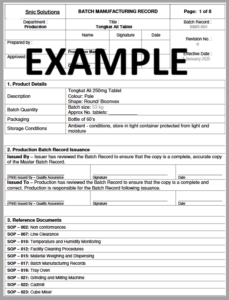
Navigating the complexities of manufacturing, especially in highly regulated industries, requires meticulous documentation. Imagine trying to recreate a perfect batch of a product without a detailed roadmap of how you made the previous one. This is precisely where a robust batch manufacturing record template becomes an indispensable tool. It serves as a comprehensive history book for every single batch produced, ensuring consistency, quality, and most importantly, compliance with stringent regulatory requirements. Without it, you’re essentially operating in the dark, risking product integrity and facing potential compliance pitfalls.

The challenge for many businesses lies not just in understanding the necessity of these records, but in creating a system that is both thorough and easy to implement. A poorly designed record can be more of a hindrance than a help, leading to incomplete data, errors, and difficulties during audits. It’s about striking a balance between capturing all critical information and making the process user-friendly for your production teams on the factory floor.
This article will walk you through the essential components of an effective batch manufacturing record, highlighting what information you simply cannot afford to miss. We will explore how a well-structured template can transform your production process, enhance traceability, and safeguard your product quality, ultimately contributing to your business’s success and reputation.
What Goes into a Comprehensive Batch Manufacturing Record?
A comprehensive batch manufacturing record (BMR) is far more than just a checklist; it’s a living document that captures every critical detail from the moment raw materials enter your facility until the finished product is released. Its primary purpose is to provide an unassailable audit trail, demonstrating that each batch was manufactured according to established procedures, specifications, and regulatory guidelines. Think of it as the ultimate story of your product’s journey, from its humble beginnings as individual ingredients to its final form.
At its core, a robust BMR must document inputs, processes, and outputs. This includes everything from the identification of all raw materials and their quantities, to the equipment used, the environmental conditions during manufacturing, and the step-by-step instructions followed by operators. It’s about creating a complete picture that leaves no room for ambiguity or guesswork, ensuring that if ever a question arises about a specific batch, all the answers are readily available within its corresponding record.
Raw Material Traceability and Dispensing
The journey of any batch begins with its ingredients. A critical section of the BMR is dedicated to raw material management. This includes recording the precise lot number, supplier information, expiration date, and quantity of every single raw material and component used in the batch. Accurate weighing and dispensing records are crucial, often requiring dual verification to prevent errors. Any deviations from the target quantities must be documented and approved, ensuring full traceability back to the source. This meticulous tracking is fundamental for quality control and for quickly identifying the source of any issues, should they arise.
Equipment Logs and Cleaning Protocols
The equipment used in manufacturing plays a vital role, and its proper functioning is paramount. The BMR must include details about the specific equipment utilized for each step, including its unique identifier. Furthermore, records of equipment calibration, maintenance, and most importantly, cleaning protocols, are indispensable. Demonstrating that equipment was cleaned according to standard operating procedures before and after use prevents cross-contamination and maintains product purity. Each cleaning event should be logged with dates, times, and the initials of the personnel involved, providing an undeniable record of compliance.
Detailed Process Steps and In-Process Controls
This section forms the heart of the batch manufacturing record. It outlines the step-by-step instructions for manufacturing the product, mirroring your approved master batch record or manufacturing instructions. Every action taken by an operator must be recorded, often with timestamps and signatures. This includes parameters like mixing speeds, temperatures, pressures, and processing times. Equally important are in-process control checks, such as pH measurements, visual inspections, or weight checks, performed at various stages throughout the production. Any observations, results, and deviations from the expected parameters must be meticulously documented, along with any corrective actions taken. This ensures that the product is consistently made to specification and any potential issues are caught early.
Packaging and Labeling Documentation
Once the product has been manufactured and passed all in-process checks, the BMR doesn’t stop there. Documentation related to packaging and labeling is equally important. This includes records of the packaging materials used, their lot numbers, and any quality checks performed on them. Furthermore, verifying that the correct labels were applied to the finished product, including batch numbers and expiration dates, is crucial. This helps prevent mislabeling errors that could lead to recalls or regulatory non-compliance, providing a final layer of assurance before the product leaves the facility.
Quality Assurance and Release
The culmination of the manufacturing process involves final quality control testing and the eventual release of the batch. The BMR must contain comprehensive records of all final product testing performed, including analytical results, stability data, and any other relevant quality attributes. The approval or rejection of the batch by quality assurance personnel, along with the rationale, must be clearly documented. This final sign-off confirms that the batch meets all predefined specifications and is safe and effective for its intended use, marking the end of its manufacturing journey within the facility.
The Benefits of Using a Standardized Batch Manufacturing Record Template
Adopting a standardized batch manufacturing record template brings a cascade of benefits that extend far beyond mere compliance. It fundamentally transforms how a manufacturing operation functions, moving it from a potentially chaotic environment to a highly organized, predictable, and quality-driven system. This standardization acts as a backbone, supporting consistency across all batches, regardless of who is performing the work or when it is being done. It instills a disciplined approach to every step, minimizing the variability that can plague complex production processes and ensuring every product meets the same high standards.
One of the most significant advantages is the dramatic improvement in regulatory compliance. Regulatory bodies like the FDA or EMA require irrefutable evidence that products are manufactured according to Good Manufacturing Practices (GMP). A well-executed BMR template provides exactly that – a comprehensive, auditable trail that demonstrates adherence to regulations. This significantly reduces the risk of non-compliance issues, costly fines, and even product recalls, offering peace of mind during inspections and helping to maintain a sterling reputation within the industry.
Furthermore, a standardized template drastically reduces human error and boosts operational efficiency. When every operator follows the same clear, step-by-step instructions within the batch manufacturing record template, the chances of mistakes decrease considerably. This consistency streamlines training for new employees, as the framework for documentation is already established. It also makes troubleshooting infinitely easier; if a problem arises with a batch, the detailed record allows for quick identification of the potential cause, saving valuable time and resources in investigation and remediation.
Here are some of the key benefits you can expect:
* Ensures consistent product quality batch after batch.
* Provides irrefutable evidence of regulatory adherence during audits.
* Facilitates rapid identification and resolution of production issues.
* Streamlines training for new manufacturing personnel.
* Minimizes the potential for human error through clear instructions.
* Supports continuous improvement initiatives by providing historical data.
* Enhances overall operational transparency and accountability.
Embracing a robust batch manufacturing record template is not merely a bureaucratic chore; it is a strategic investment in the quality, consistency, and long-term viability of your manufacturing operations. It acts as the backbone for maintaining high standards, ensuring compliance, and fostering an environment of continuous improvement. By meticulously documenting every step, from raw material receipt to final product release, you build a foundation of traceability and accountability that is invaluable in today’s demanding regulatory landscape.
Ultimately, a well-implemented template empowers your teams to produce high-quality products reliably and repeatedly. It safeguards your business against costly errors and regulatory penalties, while simultaneously enhancing your brand’s reputation for excellence. The effort invested in developing and consistently using such a system pays dividends in improved efficiency, reduced risk, and unwavering confidence in your manufacturing process.