Planning and executing a successful event, whether it’s a small community gathering or a large-scale music festival, involves countless details. Amidst the excitement of logistics, entertainment, and attendee experience, one crucial element often overlooked until it’s too late is security. The world is unpredictable, and every event carries inherent risks that can range from minor disruptions to catastrophic incidents. Ensuring the safety and well-being of your attendees, staff, and assets isn’t just a good practice; it’s an absolute necessity for the integrity and reputation of your event.

This is where a systematic approach becomes indispensable. Instead of reacting to problems as they arise, proactive planning allows you to identify potential threats, assess their likelihood and impact, and develop robust mitigation strategies long before gates open. A well-constructed framework guides you through this complex process, transforming a daunting task into a manageable checklist. By utilizing an event security risk assessment template, you gain a powerful tool that standardizes your security planning, ensuring no critical stone is left unturned and providing a clear pathway to a safer event environment.
The Indispensable Role of Proactive Security Planning for Events
Every event, regardless of its size or nature, is a unique environment that can present a myriad of security challenges. From managing large crowds and controlling access points to preparing for medical emergencies or even dealing with the unpredictable whims of weather, the variables are endless. Without a deliberate, forward-thinking approach to security, event organizers expose themselves and their attendees to unnecessary vulnerabilities. Think about the potential for reputational damage, significant financial losses, or even legal repercussions that can stem from inadequate security measures. These consequences underscore why security isn’t merely an add-on, but a foundational pillar of event management.
A robust security plan is essentially your roadmap for navigating these potential pitfalls. It moves beyond simply hiring security guards; it encompasses a holistic strategy that considers every aspect of your event’s operation. This includes everything from the layout of your venue and the flow of attendees to communication protocols in an emergency and the training of all personnel involved. Such a plan anticipates problems before they manifest, allowing for pre-emptive measures to be put in place, thereby significantly reducing the likelihood and impact of adverse events. It transforms potential chaos into controlled responses, ensuring that disruptions are minimized and the focus remains on delivering a positive experience.
The core of building such a plan lies in a thorough risk assessment. This analytical process systematically identifies potential threats and hazards, evaluates their probability of occurring, and assesses their potential impact. It’s about asking “what if?” for every conceivable scenario and then determining how to best prevent or respond to it. This isn’t a one-time exercise but an ongoing process that adapts as an event evolves, from initial concept to the final breakdown. By investing time in this upfront work, event organizers create a safer, more resilient environment for everyone involved, protecting both people and property.
Essential Steps in Conducting a Risk Assessment
- Risk Identification: Brainstorm and document all potential hazards and threats relevant to your specific event. This could include natural disasters, technical failures, human error, criminal activity, or public health concerns.
- Risk Analysis: Evaluate the likelihood of each identified risk occurring (e.g., low, medium, high) and the potential severity of its impact if it does (e.g., minor, moderate, severe).
- Risk Evaluation: Prioritize risks based on their combined likelihood and impact, focusing resources on the most critical threats.
- Risk Treatment: Develop specific strategies and actions to mitigate, reduce, transfer, or accept each identified risk. This involves creating contingency plans and implementing new controls.
- Monitoring and Review: Continuously observe the risk landscape and review the effectiveness of implemented controls, making adjustments as needed throughout the event lifecycle.
This structured approach, facilitated by an effective event security risk assessment template, ensures that no critical threat is overlooked and that resources are allocated efficiently to address the most significant vulnerabilities. It provides a clear, actionable framework for safeguarding your event.
Crafting Your Comprehensive Event Security Blueprint
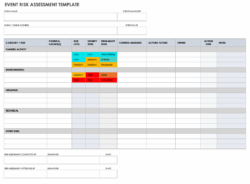
When it comes to building a truly secure event, the devil is often in the details, and a well-designed event security risk assessment template is your best ally in capturing these. It serves as a living document that evolves with your event, starting from the initial planning stages right through to the post-event review. The template isn’t just a checklist; it’s a strategic framework that encourages systematic thinking about every facet of potential vulnerability. From the moment attendees arrive until the last person departs, every touchpoint and transition needs to be scrutinized through a security lens, ensuring that proactive measures are embedded into the very fabric of your event’s operations.
A robust template typically begins by capturing fundamental information about the event itself: its date, time, location, expected attendance, and the type of event. This initial data provides the essential context for everything that follows. Next, it should guide you through the process of identifying specific hazards unique to your event. This includes considering everything from crowd management issues at entry and exit points, potential for medical emergencies, and fire safety protocols, to cybersecurity threats for online ticketing systems and data management. A good template prompts you to think broadly, categorizing risks to ensure a comprehensive overview.
Once potential risks are identified, the template moves to the assessment phase, where you quantify the likelihood of each risk occurring and the severity of its potential impact. This often involves a simple rating system, perhaps using low, medium, or high scales. Crucially, it then requires you to detail existing controls – what measures are already in place? Are they sufficient? If not, what additional actions are needed? This section is critical for developing actionable mitigation strategies, assigning responsibility for their implementation, and setting realistic timelines. It’s about moving from identification to concrete prevention and response.
Finally, an effective template will include sections for ongoing monitoring, review, and sign-off. Security is not a set-it-and-forget-it endeavor; it requires continuous vigilance and adaptability. The template should allow for regular updates as circumstances change and for a formal sign-off by relevant stakeholders, ensuring accountability and shared understanding of the security plan. This structured documentation ensures that all team members are aligned, responsibilities are clear, and a comprehensive audit trail exists for due diligence.
The strategic use of a robust event security risk assessment template provides a clear and organized method for managing the complex layers of event safety. It allows organizers to systematically identify, evaluate, and mitigate potential threats, transforming what could be a chaotic undertaking into a well-managed and secure experience for everyone involved. By adopting such a structured approach, you not only protect your event from foreseeable challenges but also build a reputation for responsible and thorough planning.