In today’s fast-paced business world, navigating uncertainty is no longer just a challenge; it’s a constant reality. Organizations of all sizes face a complex web of potential risks, from market fluctuations and technological disruptions to regulatory changes and cybersecurity threats. Without a clear and comprehensive understanding of these vulnerabilities, a business can find itself reacting to problems rather than proactively managing them, potentially leading to significant financial losses, reputational damage, or missed opportunities for growth.
That’s where a structured approach to risk management becomes not just beneficial, but absolutely essential. It’s about more than just identifying individual problems; it’s about gaining an overarching view of how risks can impact the entire organization, across all departments and functions. This holistic perspective allows leaders to make informed decisions, allocate resources effectively, and build a more resilient and sustainable enterprise.
Understanding the Core Components of an Effective Enterprise-Wide Risk Assessment
Embarking on an enterprise-wide risk assessment might seem like a daunting task, especially given the sheer volume of potential issues an organization faces. However, approaching it systematically can make the process much more manageable and ultimately, more effective. It involves a deep dive into every corner of your business, examining operations, strategies, finances, and even human resources to uncover potential pitfalls. The goal isn’t to eliminate all risk—an impossible feat—but to understand, prioritize, and manage it intelligently.
A well-structured assessment framework ensures that no critical area is overlooked and that risks are evaluated consistently across the board. This uniformity is vital for creating a truly enterprise-wide picture rather than a collection of siloed risk reports. Think of it as mapping the entire risk landscape of your organization, identifying the high peaks, deep valleys, and unexpected turns that could impact your journey. It helps translate abstract threats into actionable insights.
Key Steps in Designing Your Assessment
- Identify Objectives and Scope: Clearly define what you aim to achieve with the assessment and which areas or processes it will cover.
- Risk Identification: Brainstorm and document all potential risks across financial, operational, strategic, compliance, and cybersecurity categories.
- Risk Analysis: Evaluate the likelihood of each identified risk occurring and the potential impact it would have on the organization.
- Risk Evaluation and Prioritization: Rank risks based on their combined likelihood and impact scores, focusing resources on the most critical ones.
- Risk Treatment and Mitigation: Develop strategies and action plans to reduce, transfer, accept, or avoid identified risks.
- Monitoring and Review: Continuously track the status of risks and the effectiveness of mitigation strategies, updating the assessment as new information emerges.
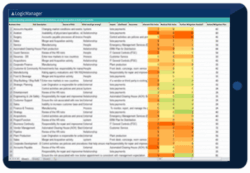
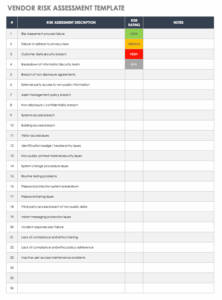
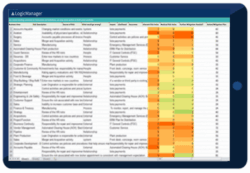
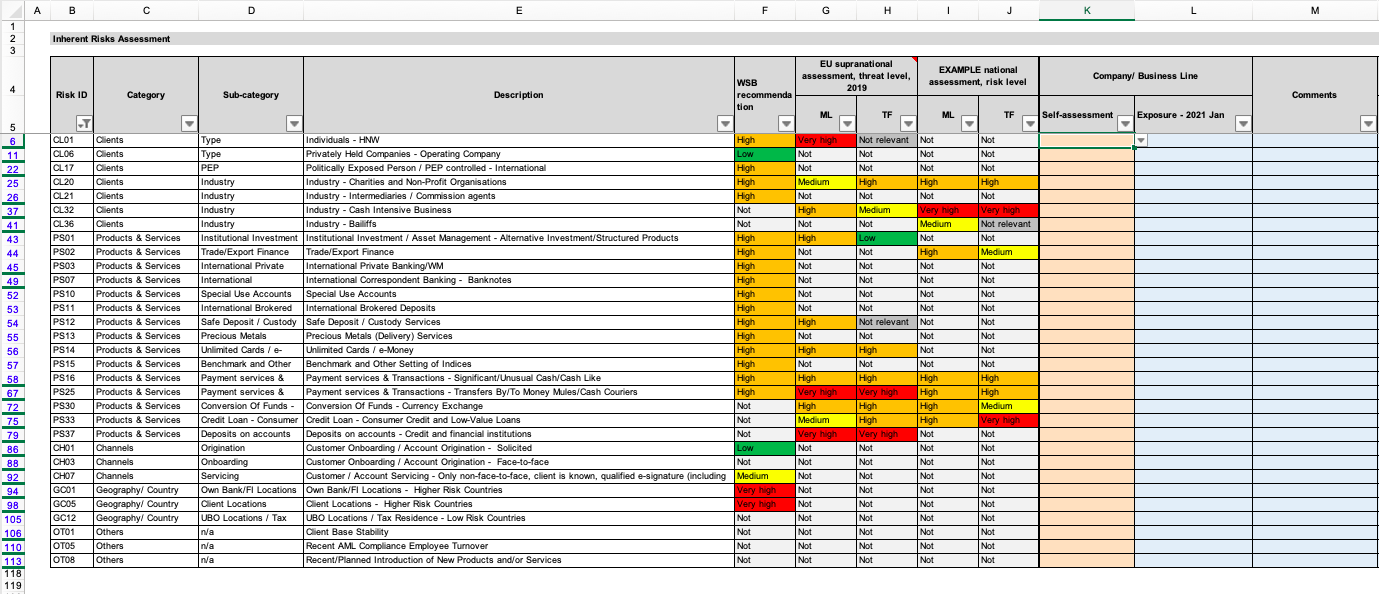
Having a robust framework, often embodied in an enterprise wide risk assessment template, provides the necessary structure to guide your team through these essential steps. It ensures consistency in how risks are identified, analyzed, and prioritized, making the entire process more efficient and reliable. By following a clear template, your organization can move beyond ad-hoc risk responses to a proactive and strategic risk management posture.
Practical Application and Customization of Your Risk Assessment Template
Once you understand the fundamental components, the next step is to put your enterprise-wide risk assessment template into action. It’s important to remember that while a template provides a great starting point, it’s not a one-size-fits-all solution. Every organization has its unique culture, operational complexities, and strategic objectives, meaning your template will need to be customized to truly reflect your specific environment. This customization might involve tailoring the risk categories, adjusting the scoring methodologies to align with your risk appetite, or adding specific sections relevant to your industry or regulatory landscape.
Consider the diverse nature of risks your business faces. For instance, a technology company might prioritize cybersecurity and data privacy risks, whereas a manufacturing firm might focus more on supply chain disruptions and operational safety. A good template allows for this flexibility, providing core elements that are universally applicable while leaving room for the inclusion of specialized areas. It’s about making the template work for your organization, not the other way around.
Engaging key stakeholders from various departments is crucial for a successful application of the template. They are the frontline experts who understand the nuances of their respective areas and can provide invaluable insights into potential risks that might otherwise be overlooked. This collaborative approach fosters a sense of ownership over the risk management process and ensures that the assessment is comprehensive and truly reflective of the enterprise as a whole.
- Engage cross-functional teams to gather diverse perspectives on risks.
- Utilize existing data, audit reports, and incident logs to inform risk identification.
- Pilot test a section of the template before rolling it out company-wide to identify any bottlenecks.
- Establish clear communication channels for reporting and discussing identified risks.
Finally, remember that risk assessment is not a static event but an ongoing process. Your chosen template should support periodic reviews and updates, allowing your organization to adapt to new risks and changing circumstances. As your business evolves and the external environment shifts, so too should your understanding and management of risk, ensuring your enterprise remains robust and agile in the face of future challenges.
Embracing a comprehensive approach to risk management fundamentally strengthens an organization’s resilience. It transforms potential threats into opportunities for strategic planning and operational improvement, fostering a culture of preparedness and informed decision-making. By systematically identifying, assessing, and mitigating risks across every function, businesses can protect their assets, enhance their reputation, and ensure continuity in an unpredictable world.
The commitment to understanding and managing enterprise-wide risks ultimately leads to greater stability and confidence for all stakeholders. It’s an investment in the long-term health and prosperity of your organization, enabling you to navigate future challenges not with trepidation, but with a clear strategy and a robust framework to guide your path.