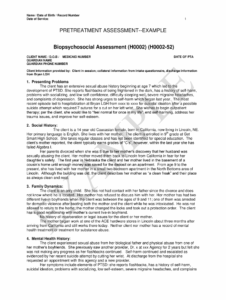
Navigating the complexities of mental well-being and substance use can be challenging, both for individuals experiencing difficulties and for the professionals dedicated to offering support. Understanding potential risks is a crucial first step in providing effective, compassionate care. A structured approach ensures that no critical stone is left unturned, helping practitioners gain a holistic view of a person’s situation and guiding them toward the most appropriate interventions.

This is where a well-designed behavioral health risk assessment template becomes an invaluable tool. It offers a standardized yet flexible framework to systematically gather essential information, identify vulnerabilities, and recognize protective factors. By streamlining the assessment process, it not only enhances efficiency but also promotes consistency in care, ensuring that every individual receives a thorough and thoughtful evaluation tailored to their unique needs.
Understanding the Core Components of a Behavioral Health Risk Assessment
A comprehensive behavioral health risk assessment is far more than a simple checklist; it is a dynamic instrument designed to paint a detailed picture of an individual’s behavioral health landscape. It involves a systematic exploration of various dimensions, including current symptoms, historical context, environmental influences, and personal strengths. The primary goal is to identify immediate and long-term risks, such as the potential for self-harm, harm to others, or significant functional impairment, while simultaneously highlighting resources and resilience.
This assessment typically delves into a range of areas that contribute to an individual’s overall well-being. It seeks to uncover patterns of thought, emotion, and behavior that might indicate underlying mental health conditions, substance use disorders, or other behavioral challenges. By examining these factors, practitioners can develop a clearer understanding of the individual’s current state and the factors contributing to their distress or risk. It’s about connecting the dots to see the full picture.
Moreover, a robust behavioral health risk assessment template helps in distinguishing between various levels of risk and urgency. It encourages a careful consideration of both static risk factors, which are historical and unchangeable, and dynamic risk factors, which can fluctuate and be influenced by interventions. This nuanced understanding is vital for developing a targeted and effective safety plan and treatment strategy.
The template also serves as a crucial documentation tool, creating a clear record of the assessment process and its findings. This documentation is essential for continuity of care, interdisciplinary communication, and demonstrating due diligence in clinical practice. It ensures that subsequent care providers have access to a consistent baseline of information, fostering better collaboration and informed decision-making across the care continuum.
Key Elements to Include
- Demographic information: Basic details such as age, gender, cultural background, and living situation.
- Presenting concerns: A clear statement of why the individual is seeking assessment or what immediate issues led to the assessment.
- History of behavioral health issues: Previous diagnoses, treatment episodes, hospitalizations, or specific incidents.
- Family history: Any history of mental health conditions or substance use in immediate family members.
- Current symptoms and severity: Detailed description of present symptoms, their duration, intensity, and impact on daily life.
- Functional impairment: How symptoms affect work, school, relationships, self-care, and other essential life domains.
- Substance use history: Type, frequency, amount, and duration of substance use, including alcohol and illicit drugs.
- Trauma history: Any past experiences of physical, emotional, or sexual abuse, neglect, or other significant traumatic events.
- Social support and resources: Identification of family, friends, community resources, and other protective factors.
- Risk factors for self-harm or harm to others: Specific questions assessing ideation, plans, intent, and access to means.
- Strengths and protective factors: Identifying personal qualities, coping skills, and external supports that promote resilience.
- Previous interventions and their effectiveness: What treatments or strategies have been tried in the past, and what was their outcome.
Implementing and Utilizing Your Behavioral Health Risk Assessment Template Effectively
Successfully integrating a behavioral health risk assessment template into practice requires more than just filling out forms; it demands a thoughtful and person-centered approach. The template acts as a guide, providing structure, but the interaction with the individual being assessed remains paramount. It’s about fostering an environment of trust and openness, allowing the individual to share their experiences honestly and without judgment. This human element ensures that the data collected is not only accurate but also rich with personal context.
Training for those administering the assessment is incredibly important. Staff should be proficient in not just the technical aspects of the template but also in active listening, empathetic communication, and crisis intervention techniques. Understanding how to phrase sensitive questions, how to respond to distress, and when to refer to higher levels of care are critical skills. The goal is to make the assessment a collaborative process, not an interrogation, empowering the individual to be an active participant in their care journey.
Once the information is gathered, the behavioral health risk assessment template becomes a foundational element for developing a personalized care plan. The insights derived from the assessment directly inform treatment goals, intervention strategies, and safety planning. For instance, if the assessment reveals significant risk for self-harm, a clear safety plan must be immediately established, outlining steps for crisis management and ongoing support. Conversely, identified strengths can be leveraged to build resilience and foster recovery.
Moreover, it’s essential to view the assessment as an ongoing process, not a one-time event. Risk levels and individual circumstances can change over time, necessitating periodic reassessments or updates. Regularly reviewing and adapting the care plan based on new information ensures that the support provided remains relevant and effective. This iterative approach underscores the dynamic nature of behavioral health and the need for continuous vigilance and flexibility in care delivery.
A well-utilized behavioral health risk assessment template can significantly enhance the quality and safety of care. It empowers clinicians to make informed decisions, tailor interventions, and allocate resources more efficiently. By systematically identifying risks and strengths, it helps to prevent crises, promote early intervention, and ultimately support individuals in achieving better behavioral health outcomes.
Embracing a structured approach to behavioral health assessments allows practitioners to offer more consistent, equitable, and effective care. It fosters a proactive environment where potential challenges are identified early, and appropriate support systems are put into place. This commitment to thorough and compassionate evaluation ultimately strengthens the foundation for recovery and long-term well-being for individuals and communities alike.