In an ever-changing world, the security of our physical spaces, especially buildings, has become a paramount concern. Whether it is a commercial office, a residential complex, an educational institution, or a healthcare facility, understanding and mitigating potential threats is crucial for the safety of occupants and the protection of valuable assets. It is not enough to react to incidents; a proactive approach is what truly makes a difference in maintaining a secure environment.

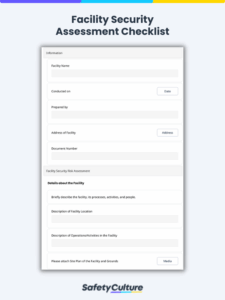
This is where a robust and systematic process comes into play. Conducting a thorough security risk assessment helps identify vulnerabilities before they can be exploited, allowing you to implement effective preventative measures. To streamline this often complex task, having a well-structured building security risk assessment template can be incredibly beneficial, providing a clear roadmap and ensuring no critical area is overlooked.
Why a Building Security Risk Assessment Template is Your Best Ally
Embarking on a security risk assessment might seem like a daunting endeavor. Where do you even begin? What factors should you consider? How do you ensure you’re covering all your bases, from physical entry points to digital vulnerabilities? This is precisely where a dedicated template proves its worth. It acts as your guide, simplifying a potentially overwhelming process into manageable steps and ensuring a consistent, comprehensive evaluation every time.
A good template doesn’t just list items; it prompts you to think critically about your building’s unique characteristics, its occupants, and its operational context. It helps you move beyond a superficial glance and delve deep into potential weak points, from the obvious like a broken lock, to the less apparent, such as inadequate emergency protocols or out-of-date security software. By providing a structured framework, it ensures that your assessment is both thorough and repeatable, making future reviews much more efficient.
Key Stages in a Security Risk Assessment
Understanding the phases involved in a security assessment is vital for an effective outcome. A building security risk assessment template typically guides you through these essential stages, ensuring that you systematically identify, analyze, and plan for mitigation. Without these steps, your assessment could miss critical details or misprioritize risks.
The core stages generally include:
- Asset Identification: Pinpointing what needs protection. This isn’t just about physical items; it includes people, data, reputation, and operational continuity. What would cause significant disruption or harm if compromised?
- Threat Identification: Recognizing potential sources of harm. This involves considering various scenarios like theft, vandalism, natural disasters, cyberattacks, internal threats, or even civil unrest. Who or what could pose a danger?
- Vulnerability Analysis: Discovering weaknesses that threats could exploit. This might involve examining physical security (doors, windows, lighting), electronic security (CCTV, alarms, access control), procedural security (staff training, visitor management), and cybersecurity (network defenses, data encryption). Where are the gaps in your current defenses?
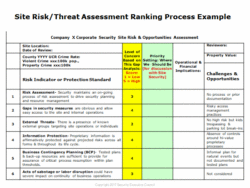
- Risk Evaluation: Assessing the likelihood and potential impact of each identified risk. This helps in prioritizing risks, allowing you to focus resources on the most critical issues first. How likely is it, and how severe would the consequences be?
- Mitigation Planning: Developing and implementing strategies to reduce or eliminate identified risks. This could involve physical upgrades, policy changes, training programs, or investing in new technology. What actions can you take to reduce the risk?
- Monitoring and Review: Establishing a process for ongoing surveillance and periodic reassessment. Security is not a one-time fix; it requires continuous attention to adapt to new threats and changes in your environment. How will you ensure your security remains effective over time?
By breaking down the assessment into these logical steps, the template demystifies the process, making it accessible even for those who aren’t security experts. It ensures a holistic view, moving beyond just physical security to encompass all aspects of your building’s safety.
Practical Steps to Implement Your Building Security Risk Assessment Template
Once you have your building security risk assessment template in hand, the real work begins: putting it into action. The effectiveness of any template lies in how thoroughly and thoughtfully it’s applied to your specific environment. Remember, no two buildings are identical, so while the template provides structure, your unique context will fill in the details.
First, gather your team. Security isn’t just the responsibility of one department; it involves everyone from facilities management to IT, HR, and even regular occupants. Involving a diverse group ensures a broader perspective and more comprehensive identification of risks. Each department might have insights into vulnerabilities specific to their operations that a single person might overlook.
Next, conduct a physical walk-through of your building, meticulously following the template’s prompts. This isn’t just about noting existing cameras or locks. It’s about observing how people move, where potential blind spots are, the condition of entry points, the visibility of emergency exits, and even the external perimeter. Think like a potential intruder, but also consider internal threats and accidental risks. Are there areas with poor lighting? Are valuable assets left unsecured? Is access control consistently enforced for all areas, including less obvious ones like server rooms or storage facilities?
As you conduct your assessment, don’t forget to interview staff. Those who work in the building daily often have invaluable insights into security weaknesses or past incidents. Their feedback can highlight practical challenges or vulnerabilities that might not be apparent during a walk-through. Additionally, review existing security policies and procedures. Are they up-to-date? Are they being followed consistently? Do staff receive regular training on security protocols and emergency responses?
Once all information is gathered and documented within your template, the crucial step of prioritizing risks begins. Not all risks are created equal; some pose a higher likelihood of occurring and would have a more severe impact. Your template should help you categorize these, allowing you to develop a strategic action plan. This plan should outline specific, actionable mitigation strategies, assign responsibilities, and set timelines for implementation, moving from high-priority risks down to those with lower urgency. Remember, security is an ongoing journey, not a destination, so regular review and adaptation are key to maintaining a safe and resilient environment.