Navigating the complexities of substance use can be incredibly challenging, not just for individuals seeking help, but also for the professionals dedicated to guiding them. A crucial first step in this journey is a thorough and compassionate assessment. This initial evaluation lays the groundwork for understanding an individual’s unique situation, needs, and the most effective path forward for their recovery.
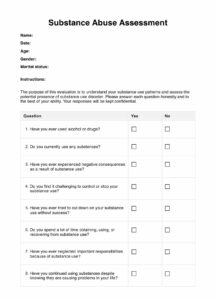
To ensure consistency, comprehensiveness, and efficiency in this vital process, many practitioners and organizations rely on a structured approach. That’s where an effective alcohol and drug assessment template comes into play. It provides a standardized framework, helping gather all necessary information systematically, ensuring no critical details are overlooked, and ultimately leading to more informed and personalized treatment plans.
Understanding the Core Components of an Effective Assessment
When we talk about a truly effective assessment for alcohol and drug use, we’re really discussing the art and science of gathering a complete picture. It’s not just about ticking boxes; it’s about understanding the individual as a whole, taking into account their history, current circumstances, and future aspirations. A well-designed assessment aims to uncover not just the “what” of substance use, but also the “why” and “how it impacts their life.”
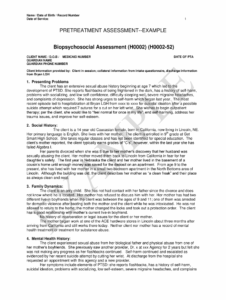
At its heart, any robust template will guide the assessor through various data points, starting with basic demographic information. Beyond that, a deep dive into the individual’s substance use history is essential. This includes understanding the types of substances used, frequency, duration, routes of administration, and any previous attempts at treatment or periods of sobriety. This historical context is vital for identifying patterns and potential triggers.
But substance use rarely exists in a vacuum. A comprehensive assessment must also explore an individual’s physical and mental health. Are there co-occurring mental health conditions? What are their current medical issues? Social support systems, family dynamics, employment status, and legal history also play significant roles and need careful consideration. These external factors often profoundly influence an individual’s relationship with substances and their capacity for recovery.
Considering the vast array of information needed, it’s clear that a structured tool is not just helpful but often indispensable. This is precisely why an alcohol and drug assessment template is so valuable. It acts as a roadmap, ensuring that every critical area is explored consistently, regardless of who is conducting the assessment, thereby improving the reliability and utility of the collected data.
What a Comprehensive Template Should Cover
- Demographic Information
- Detailed Substance Use History and Patterns
- Current Physical and Mental Health Status
- Family, Social, and Environmental Factors
- Legal and Employment History
- Motivation for Change and Recovery Goals
Why Using a Standardized Template Matters for Better Outcomes
The adoption of a standardized alcohol and drug assessment template offers significant advantages that extend far beyond simply organizing information. One of its primary benefits is promoting consistency across evaluations. Imagine a scenario where different clinicians assess the same individual; without a common framework, the scope and depth of their findings could vary wildly, potentially leading to inconsistencies in treatment recommendations.
For busy practitioners, efficiency is paramount. A well-structured template streamlines the assessment process, ensuring that all necessary questions are asked and relevant data is recorded without reinventing the wheel each time. This saves valuable time, allowing professionals to dedicate more energy to direct client engagement and therapeutic interventions, rather than administrative tasks.
Furthermore, a standardized template significantly improves the quality and comparability of data. When assessments are conducted uniformly, it becomes easier to track an individual’s progress over time, identify emerging patterns, and evaluate the effectiveness of different treatment approaches. This data-driven insight is invaluable not only for individual client care but also for program evaluation and improvement at a broader organizational level.
Beyond operational benefits, using a template also supports ethical practice and reduces potential biases. By following a pre-defined set of questions and criteria, assessors are less likely to inadvertently overlook critical areas or allow personal biases to influence the evaluation. It ensures a more objective and holistic understanding of the individual, fostering trust and promoting a more equitable foundation for their recovery journey. It empowers professionals to build truly tailored and effective treatment strategies.
Ultimately, the careful implementation of a thoughtfully designed assessment framework is a cornerstone of effective care in the realm of substance use. It represents a commitment to thoroughness, client-centered care, and informed decision-making. By systematically gathering crucial insights into an individual’s life, challenges, and strengths, we lay the groundwork for interventions that genuinely resonate and support lasting change.
Embracing such a structured approach empowers both the individual seeking help and the professionals guiding them. It transforms the initial assessment from a mere formality into a powerful diagnostic and planning tool, fostering a clearer path towards recovery and well-being. This meticulous attention to detail ensures that every step taken is purposeful, leading to better outcomes and brighter futures for those navigating the complexities of alcohol and drug challenges.