Ensuring a safe and healthy workplace isn’t just a legal obligation; it is a fundamental commitment to your employees and the overall success of your business. Proactive safety management helps prevent accidents, reduces injuries, and fosters a positive working environment where everyone feels secure and valued. It is about identifying potential dangers before they cause harm and putting measures in place to mitigate those risks effectively.
At the core of any effective safety strategy lies the risk assessment process. This systematic approach allows you to identify hazards, evaluate the likelihood and severity of harm, and implement necessary control measures. While the idea of conducting a comprehensive risk assessment might seem daunting, utilizing a well-designed health and safety risk assessment template can significantly streamline this crucial task, making it accessible and manageable for any organization.
Why Your Business Needs a Robust Risk Assessment Process
Every workplace, regardless of its size or industry, contains potential hazards that could lead to injury, illness, or even fatalities. From slipping hazards on a wet floor to the complexities of operating heavy machinery or dealing with hazardous chemicals, risks are inherent. A robust risk assessment process is your first line of defense, allowing you to systematically identify these dangers before they manifest into serious incidents. It is not merely about ticking a box for compliance, though legal frameworks often mandate such assessments, but about genuinely protecting your most valuable asset: your people.
Beyond the moral and legal imperatives, a proactive approach to risk assessment brings tangible business benefits. By identifying and controlling risks, you can significantly reduce the number of workplace accidents and injuries. This translates directly into fewer lost workdays, lower workers’ compensation claims, and potentially reduced insurance premiums. Furthermore, a safer working environment leads to higher employee morale and productivity, as staff feel more secure and confident in their daily tasks. It also enhances your organization’s reputation as a responsible and caring employer.
Without a structured process, critical hazards can easily be overlooked, leading to avoidable incidents that can have severe consequences for both individuals and the business. Imagine the impact of a significant accident on your company’s finances, reputation, and the morale of your entire workforce. These are scenarios that a thorough risk assessment aims to prevent by systematically evaluating every aspect of your operations.
This is precisely where a dedicated health and safety risk assessment template becomes an indispensable tool. It provides a consistent framework to guide you through each step, ensuring no stone is left unturned. It helps standardize the process across different departments or sites, making sure that everyone is speaking the same language when it comes to identifying and managing risks.
Key Steps in Conducting a Risk Assessment
- Identify the hazards. What could cause harm? Think about people, equipment, materials, and methods.
- Decide who might be harmed and how. Consider employees, contractors, visitors, and vulnerable groups.
- Evaluate the risks and decide on precautions. How likely is harm, and how severe could it be? What steps can you take to eliminate or control the risk?
- Record your significant findings. Document the hazards, those at risk, and the control measures in place.
- Review your assessment and update if necessary. Risks and workplaces change, so assessments need regular revisiting.
Following these steps meticulously, facilitated by a well-structured template, ensures that your risk assessments are comprehensive, documented, and actionable.
Making the Most of Your Health and Safety Risk Assessment Template
Having a health and safety risk assessment template is a fantastic start, but its true value comes from how effectively it is utilized and integrated into your daily operations. A template should not be viewed as a static document to be filled out once and forgotten, but rather as a dynamic tool that evolves with your workplace. It provides the necessary structure, prompting you to consider all relevant aspects of potential hazards, from the initial identification to the implementation of control measures and the assignment of responsibilities.
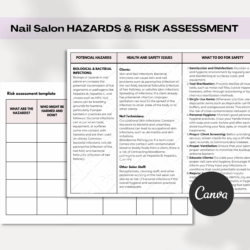
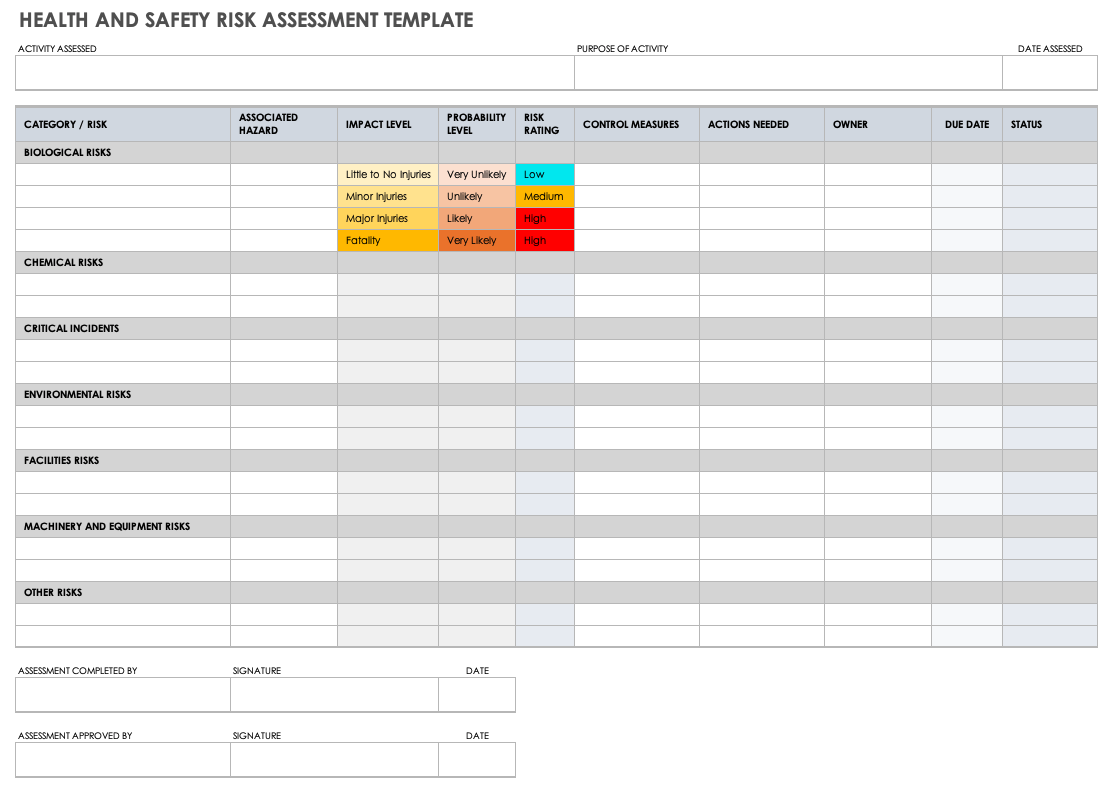
A good template typically includes sections for describing the task or area being assessed, identifying specific hazards (e.g., manual handling, electrical equipment, working at heights), assessing the likelihood and severity of harm, outlining existing control measures, and proposing additional actions. Crucially, it also allows for the designation of who is responsible for implementing these actions and by when, ensuring accountability and follow-through. This systematic approach helps prevent oversights and ensures that identified risks are actively managed.
Remember, while a template provides a universal framework, it must be adapted to your specific work environment. Generic templates are a starting point; they need to be customized to reflect the unique processes, equipment, and personnel within your organization. Consider the specific nature of your industry, the types of machinery used, the chemicals handled, and even the psychological pressures that might exist. For instance, an office environment will have different primary risks than a manufacturing plant or a construction site, and your health and safety risk assessment template needs to reflect these differences.
Effective utilization also hinges on involving the right people. Those who perform the tasks daily often have the best insights into potential hazards and practical control measures. Encourage their input during the assessment process. Furthermore, once an assessment is completed and control measures are implemented, communicate these findings and changes to all affected employees. Training is often a key component of new control measures, ensuring everyone understands their role in maintaining a safe environment.
Finally, consistent review and updating are paramount. Workplaces are not static; new equipment is introduced, processes change, and new employees join the team. Each of these changes can introduce new risks or alter existing ones. Therefore, your risk assessments should be living documents, revisited regularly and updated whenever there are significant changes or following an incident, to ensure they remain relevant and effective in keeping everyone safe.
By consistently applying the principles of risk assessment and leveraging a well-structured template, organizations can build a resilient safety culture. This approach not only protects individuals from harm but also contributes significantly to operational efficiency and business continuity. It is an ongoing journey of vigilance and improvement, ensuring that potential dangers are always anticipated and addressed before they can impact the well-being of your team or the stability of your operations. The effort invested in developing and utilizing a comprehensive health and safety risk assessment template truly pays dividends in fostering a workplace that is both productive and inherently safe for everyone.