Thinking about emergencies can feel overwhelming, can’t it? The thought of natural disasters, unexpected outages, or even personal crises might make us want to bury our heads in the sand. However, taking a proactive stance is not just about bracing for the worst; it’s about gaining a sense of control and peace of mind. Understanding what could go wrong and, more importantly, what steps we can take *before* it happens, transforms anxiety into actionable plans.

That’s where a structured approach comes into play. You don’t need to be an expert in risk management to start preparing effectively. Simple, guided tools can make all the difference, helping you pinpoint vulnerabilities and prioritize your efforts. Imagine having a clear roadmap that breaks down complex risks into manageable steps, allowing you to build resilience systematically.
Why a Risk Assessment is Crucial for Preparedness
Before you can effectively prepare for an emergency, you absolutely have to know what you’re preparing for. Just like you wouldn’t pack for a trip without knowing your destination and the local weather, you shouldn’t try to build an emergency plan without first understanding the specific risks you face. A risk assessment isn’t just a bureaucratic step; it’s the foundational bedrock upon which all effective preparedness rests, helping you allocate your resources wisely and focus your energy on the most impactful actions.
Without a thorough assessment, your preparedness efforts might be misdirected. You could spend significant time and resources on unlikely scenarios while overlooking the most probable and impactful threats. This process helps you move beyond generalized fears to specific, identifiable challenges, allowing you to develop targeted strategies that genuinely protect what matters most – your family, your home, your business, or your community. It’s about being smart, not just busy.
Identifying Potential Threats
The first step in any robust risk assessment is to identify every potential threat that could impact your specific situation. This requires a bit of thoughtful brainstorming and research, considering both broad categories and highly localized concerns. Think about what truly could happen where you live or work, rather than just what you see on the national news.
Here’s a breakdown of common threat categories to consider:
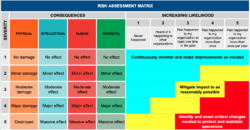
By methodically listing these potential threats, you start to paint a clearer picture of the landscape you’re preparing for. This comprehensive overview is exactly what an effective emergency preparedness risk assessment template helps you organize, ensuring no stone is left unturned as you transition from identifying problems to formulating solutions.
Building Your Own Emergency Preparedness Risk Assessment Template
Once you understand *why* a risk assessment is vital, the next natural question is *how* to conduct one effectively. You don’t need a complex software program or an expensive consultant to get started. A well-designed emergency preparedness risk assessment template provides a simple yet powerful framework to guide you through the process step-by-step, making it accessible for anyone – from an individual homeowner to a small business owner. It transforms a daunting task into a series of manageable questions and decisions.
The beauty of using a template is that it ensures consistency and thoroughness. It prompts you to think about various aspects of risk that you might otherwise overlook, and it provides a standardized way to document your findings and action items. This documentation is invaluable for reviewing your plan, sharing it with others, and updating it as circumstances change. It acts as a living document, evolving with your preparedness journey.
Here are the key elements you should look for or include when building your own emergency preparedness risk assessment template:
By systematically filling out an emergency preparedness risk assessment template for your home or organization, you’ll not only gain a deep understanding of your vulnerabilities but also develop a clear, prioritized list of actions to take. This structured approach empowers you to move beyond just worrying about what might happen to actively shaping a safer, more resilient future for yourself and those you care about. It’s an investment in your peace of mind and security.
Taking the time to identify potential risks and systematically plan for them is one of the most empowering things you can do for yourself, your family, or your organization. It shifts your perspective from being a potential victim of circumstance to being an active architect of your own safety and resilience. The clarity and structure provided by a thorough risk assessment enable truly effective preparedness.
Ultimately, having a well-thought-out plan derived from a clear understanding of your unique risks significantly reduces stress and improves your ability to navigate challenging times. It’s not about preventing every bad thing from happening, but about ensuring you’re ready to respond effectively and recover quickly, no matter what comes your way.