Navigating the complexities of the modern food supply chain can feel like an endless balancing act. From sourcing ingredients to final product delivery, every step holds potential risks, and unfortunately, one of the most insidious threats looming over the food industry today is food fraud. This isn’t just about mislabeling; it encompasses a wide range of deceptive practices, from adulteration and substitution to counterfeit products, all designed to gain economic advantage at the expense of consumer trust and safety.

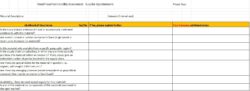
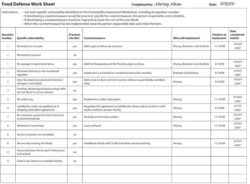
Protecting your brand and, more importantly, your customers, requires a proactive approach. Simply reacting to incidents after they occur is no longer sufficient in our interconnected world. That’s where a robust food fraud vulnerability assessment template comes into play. It provides a structured framework, helping you systematically identify, evaluate, and mitigate potential fraud risks within your operations, turning a daunting task into a manageable and actionable process.
Why a Food Fraud Vulnerability Assessment is Crucial
In an increasingly globalized and intricate food supply network, the opportunities for fraudulent activities are unfortunately abundant. Raw materials often travel across multiple borders and through numerous hands before reaching your processing facility, creating blind spots where economically motivated adulteration can occur. Without a clear understanding of these vulnerabilities, your business remains exposed to significant financial losses, damage to brand reputation, and potentially severe public health consequences. A comprehensive assessment isn’t just a regulatory requirement for many standards; it’s a fundamental business necessity for safeguarding your integrity and profitability.
Think about the ripple effect of a single fraud incident. A mislabeled ingredient could trigger massive product recalls, leading to disposal costs, legal fees, and a rapid erosion of consumer confidence that takes years, if not decades, to rebuild. Moreover, if your products are found to contain undeclared allergens or harmful substances due to fraud, the impact on public health could be catastrophic. This is why understanding where your supply chain is weakest and what types of fraud are most likely to affect your specific ingredients and products is paramount. It allows you to anticipate threats rather than merely react to them.
Implementing a structured approach through a food fraud vulnerability assessment template helps standardize your risk identification process across all products and suppliers. It ensures consistency, making it easier to compare risks, prioritize mitigation efforts, and allocate resources effectively. Without such a template, assessments can become ad-hoc, inconsistent, and ultimately less effective, leaving critical gaps in your defense against sophisticated fraudsters.
Key Elements to Include in Your Template
A truly effective food fraud vulnerability assessment template should be comprehensive yet adaptable. It needs to cover various aspects of your supply chain and product portfolio, allowing for detailed analysis and clear action planning. This isn’t a one-size-fits-all solution; while core principles remain, the specifics will always reflect your unique business.
Consider these essential components when building or customizing your own template:
- Raw Material Identification: List every ingredient, processing aid, and packaging material.
- Supplier Assessment: Evaluate the trustworthiness and controls of each supplier, including their own anti-fraud measures.
- Supply Chain Mapping: Understand the journey of each ingredient, from origin to your facility, identifying all touchpoints.
- Historical Data Analysis: Review past incidents of food fraud relevant to your ingredients or industry.
- Economic Drivers: Assess the economic motivation for fraud for each ingredient (e.g., high value, high demand, price volatility).
- Detection Methods: Document current testing protocols and their effectiveness in detecting potential fraud.
- Risk Scoring: Develop a consistent method to score and prioritize identified vulnerabilities.
- Mitigation Strategies: Outline specific actions to reduce each identified risk.
By systematically addressing each of these points, your food fraud vulnerability assessment template becomes a powerful tool. It transforms abstract risks into concrete data points, enabling informed decisions and strategic investments in fraud prevention. It moves you from a state of uncertainty to one of calculated readiness, equipping your team with the knowledge and tools to maintain integrity throughout your product lifecycle.
Practical Steps to Develop and Implement Your Template
Creating a useful food fraud vulnerability assessment template isn’t just about filling in blanks; it’s about fostering a culture of vigilance and continuous improvement. The process typically begins with a thorough understanding of your current operations and a commitment from leadership. Start by assembling a multidisciplinary team within your organization, including members from procurement, quality assurance, R&D, and production. Their diverse perspectives will be invaluable in identifying subtle vulnerabilities that might otherwise be overlooked. This collaborative approach ensures that the template developed is practical, relevant, and fully integrated into your existing systems.
Once your team is in place, the next step involves gathering extensive data. This means more than just looking at your direct suppliers. You need to delve into the global market intelligence for your ingredients, understanding common fraud tactics for specific commodities, global pricing trends, and any reported incidents in your industry sector. This external intelligence, combined with your internal data on supplier performance and product specifications, forms the bedrock of an effective assessment. Without a comprehensive data foundation, any template, no matter how well-designed, will yield incomplete or misleading results.
With your data compiled, begin populating your food fraud vulnerability assessment template. Go ingredient by ingredient, supplier by supplier, and systematically evaluate each point based on the criteria you’ve established. Assign risk scores consistently, which allows for objective comparison and prioritization. It’s crucial to be honest and realistic during this phase; downplaying risks only creates a false sense of security. The goal is to uncover every potential weak spot so that robust mitigation strategies can be developed and implemented.
Here’s a simplified sequence of actions for implementation:
- Define Scope: Clearly delineate which products, ingredients, and parts of the supply chain will be assessed.
- Data Collection: Gather all relevant internal and external information on potential fraud risks.
- Vulnerability Scoring: Use a predefined matrix to assign scores for likelihood and impact of fraud.
- Risk Prioritization: Rank vulnerabilities from highest to lowest risk based on scores.
- Develop Mitigation Plans: For each high-risk area, create specific actions to prevent or detect fraud.
- Implement Controls: Put your mitigation plans into action, which might include enhanced testing, supplier audits, or improved traceability.
- Monitor and Review: Regularly reassess risks and the effectiveness of your controls, adapting as new threats emerge.
Finally, remember that this isn’t a one-off project. Food fraud is an evolving threat, with fraudsters constantly adapting their methods. Therefore, your food fraud vulnerability assessment template and the underlying assessment process must be living documents, subject to regular review and updates. Annual reviews are a good starting point, but consider more frequent updates if there are significant changes in your supply chain, new product introductions, or emerging global fraud trends. Continuous monitoring and adaptation are your strongest defenses against this persistent challenge.
Embracing a systematic approach to identifying and addressing food fraud vulnerabilities is an investment in your company’s future. It demonstrates a commitment to quality, safety, and ethical practices, building unwavering trust with your consumers and strengthening your position in the competitive food market. By proactively managing these risks, you safeguard not just your bottom line, but also the health and confidence of everyone who enjoys your products.