In today’s fast-paced financial world, banks face an ever-evolving landscape of threats. Fraud schemes are becoming increasingly sophisticated, making it a constant challenge for financial institutions to protect their assets, customers, and reputation. Proactive risk management isn’t just a best practice anymore; it’s a fundamental necessity to survive and thrive in a highly regulated and scrutinized environment. Without a clear and structured approach, identifying, assessing, and mitigating these risks can feel like navigating a maze blindfolded, leaving institutions vulnerable to significant financial losses and compliance penalties.
This is precisely why having a robust framework is so critical. A well-designed bank fraud risk assessment template serves as your compass, guiding you through the complexities of potential vulnerabilities. It provides a systematic way to catalog, evaluate, and prioritize risks, ensuring that resources are allocated efficiently to the areas that need them most. Moving beyond reactive measures, such a template empowers banks to anticipate threats, strengthen their defenses, and foster a culture of vigilance across all operational levels, ultimately safeguarding against both emerging and established fraud vectors.
Understanding the Landscape of Bank Fraud Risks
The sheer variety of fraud types that financial institutions encounter daily is staggering. From identity theft and account takeovers to credit card fraud, loan application fraud, and internal collusion, the methods employed by fraudsters are constantly adapting. Furthermore, the advent of digital banking and advanced technological platforms, while offering immense convenience, also opens new avenues for cybercriminals. Understanding this dynamic environment requires a holistic view, one that goes beyond simply reacting to incidents and instead focuses on building resilient systems and processes.
A comprehensive bank fraud risk assessment template helps in dissecting this complex landscape into manageable components. It prompts institutions to consider both internal and external factors that could contribute to fraud. Internally, this might involve assessing the robustness of employee background checks, segregation of duties, and internal audit controls. Externally, it requires evaluating the threats posed by cyberattacks, phishing schemes, and social engineering tactics targeting customers, as well as broader economic conditions that might incentivize fraudulent behavior.
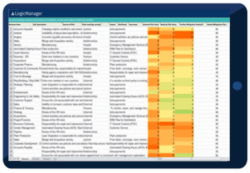
Key Components of a Robust Template
A truly effective template isn’t just a checklist; it’s a strategic tool designed to provide deep insights. It encourages a thorough examination of every facet of the banking operation where fraud could occur. Here are some essential elements such a template should incorporate:
- Risk Identification Categories: Clearly define various fraud types such as cyber fraud, internal fraud, payment fraud, lending fraud, and customer identity fraud.
- Likelihood and Impact Rating: Establish a consistent scale to assess how likely each identified risk is to occur and what its potential financial, reputational, and operational impact would be.
- Control Effectiveness Evaluation: Analyze existing controls for each risk. Are they preventative, detective, or corrective? How effective are they in practice?
- Mitigation Strategies Development: Outline specific actions or enhancements needed to reduce the likelihood or impact of identified risks that are not adequately controlled. This includes assigning responsibilities and deadlines.
By systematically moving through these components, banks can gain a clear picture of their risk exposure and pinpoint weaknesses before they are exploited. This structured approach not only helps in prioritizing mitigation efforts but also in communicating risks effectively to senior management and regulatory bodies.
Moreover, the process of using a bank fraud risk assessment template isn’t a one-time event. It’s an ongoing cycle that demands regular review and updates. As new technologies emerge, regulatory requirements shift, and fraud tactics evolve, the template itself must adapt. This continuous monitoring ensures that the bank’s defenses remain strong and relevant, providing an agile response to an ever-changing threat landscape.
Implementing Your Bank Fraud Risk Assessment Template Effectively
Having a well-designed bank fraud risk assessment template is just the first step; its true value lies in effective implementation. This process requires commitment from all levels of the organization, a clear understanding of objectives, and a structured approach to data collection and analysis. It is not merely a compliance exercise but a strategic initiative to bolster the institution’s overall security posture and operational resilience against financial crime.
Successful implementation begins with defining the scope of the assessment. Will it cover all departments and product lines, or will it be phased in? Clearly outlining what areas are included and what are excluded for a particular assessment period ensures that efforts are focused and manageable. Engaging key stakeholders from different departments such as IT, operations, compliance, legal, and human resources is crucial, as each brings a unique perspective on potential vulnerabilities and existing controls within their domain.
The collection of relevant data is another critical phase. This includes reviewing past fraud incidents, analyzing current control mechanisms, interviewing staff, and staying informed about industry trends and regulatory changes. This evidence-based approach helps in accurately rating the likelihood and impact of various fraud scenarios, moving beyond subjective guesswork to informed judgment. The more comprehensive and accurate the data, the more reliable the assessment results will be.
- Define Assessment Scope: Clearly delineate the business units, products, and processes to be included in the fraud risk assessment.
- Gather Relevant Data: Collect information on past fraud incidents, control failures, audit findings, and industry best practices.
- Engage Stakeholders: Involve personnel from various departments to ensure a holistic view of risks and controls.
- Regularly Review and Update: Establish a schedule for periodic review and adjustment of the template and its findings to reflect new risks or changes in the operational environment.
Finally, the insights derived from completing the bank fraud risk assessment template must translate into actionable strategies. This involves developing specific mitigation plans for high-risk areas, assigning ownership for these actions, and setting realistic timelines for their implementation. Regularly tracking the progress of these mitigation efforts and reporting on them to senior management ensures accountability and continuous improvement, embedding fraud risk management into the very fabric of the bank’s operations.
Embracing a systematic approach to fraud risk assessment is no longer optional but a cornerstone of sound financial management. By meticulously identifying, evaluating, and mitigating potential threats, institutions can not only protect their assets and customers but also enhance their reputation and maintain the trust that is so vital in the banking sector. It empowers decision-makers with the clarity needed to allocate resources effectively and respond strategically to an ever-changing threat landscape.
Continuously refining this process ensures that the bank remains resilient and adaptive, ready to face the complexities of modern financial crime. This ongoing commitment to vigilance and improvement safeguards against future vulnerabilities, fostering a more secure and stable environment for all stakeholders, and positioning the institution for sustained success in a challenging world.