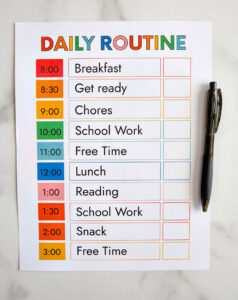
Life with kids can often feel like a delightful whirlwind, a beautiful chaos of discovery, play, and endless questions. While spontaneity has its charm, a lack of structure can sometimes lead to stress for both children and parents. That’s where a well-thought-out weekly schedule template for kids comes into play, transforming frantic moments into predictable rhythms and offering a sense of calm in the daily hustle.
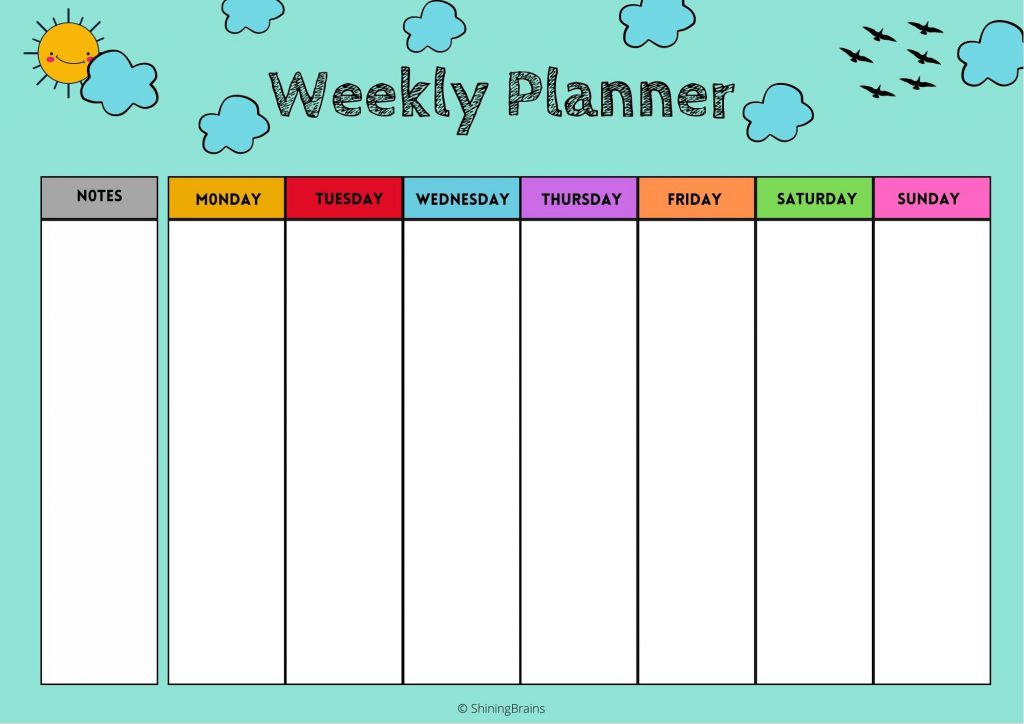
Imagine knowing what’s coming next, not just for yourself but for your little ones. A clear schedule can reduce meltdowns, build independence, and create a more harmonious home environment. It’s not about rigid control, but about providing a gentle framework that supports growth, learning, and plenty of happy family time. Let’s explore how to bring this wonderful tool into your home and watch the positive changes unfold.
Why a Weekly Schedule is a Game-Changer for Kids and Parents
One of the biggest benefits of introducing a weekly schedule template for kids is the sheer reduction in daily arguments and uncertainty. Children thrive on predictability. When they know what to expect – when it’s time for homework, when it’s time for play, and when it’s time for bed – they feel more secure and less anxious. This isn’t just theory; it’s a practical observation many parents make. The simple act of visualizing their day or week can empower them to transition between activities with greater ease and less resistance.
Moreover, a structured schedule is an incredible tool for fostering independence and responsibility. When kids are involved in creating their own schedule (even in a limited way for younger children), they take ownership. They learn time management skills early on, understand the concept of deadlines for chores or homework, and begin to grasp the balance between obligations and free time. It teaches them that their day isn’t just a series of random events, but a progression that they can navigate and influence.
Think about those moments when you hear “What are we doing next?” for the tenth time, or the scramble to get out the door because everyone lost track of time. A visual weekly schedule acts as a shared reference point, allowing everyone to be on the same page. It cuts down on the constant need for parental reminders and frees up your mental energy, letting you focus more on quality interactions rather than logistical policing. It’s about building good habits that will serve them well into adulthood.
Without a clear schedule, days can often feel fragmented and overwhelming, leading to missed appointments, forgotten tasks, and general disorganization. This can contribute to increased stress levels for everyone in the family. By taking the time to outline a regular flow, you’re not just organizing tasks; you’re creating a calmer atmosphere where kids can flourish and parents can feel more in control and less overwhelmed by the daily demands of family life.
Key Components of an Effective Kids’ Schedule
To make your schedule truly work, it needs to be more than just a list of tasks. It should be a thoughtful arrangement of different types of activities, tailored to your child’s age and your family’s unique rhythm. Here are some essential elements to include:
- Fixed Activities: These are the non-negotiables like school hours, meal times, and consistent bedtimes. These form the anchors of your weekly schedule.
- Flexible Blocks: Allot specific times for homework, chores, or independent play. While the activity itself might vary, the allocated time block provides structure.
- Free Time: Crucially, include unstructured free time where your child can choose their own activities. This is vital for creativity, relaxation, and self-directed learning.
- Family Time: Dedicate slots for shared activities, whether it’s a family dinner, game night, or a walk in the park. These moments strengthen bonds.
- Transition Times: Don’t forget to factor in time for getting ready for school, packing bags, or winding down before bed. Smooth transitions prevent rushed and stressful moments.
Remember, the goal is not to fill every minute but to create a balanced structure that allows for both productivity and essential downtime, ensuring your child feels supported and engaged throughout their week.
Crafting Your Own Weekly Schedule Template for Kids: A Step-by-Step Guide
Ready to bring some order and calm to your home? Creating your very own weekly schedule template for kids doesn’t have to be a daunting task. In fact, it can be a fun family project that empowers everyone. The key is to start small, involve your children where appropriate, and be prepared to adjust as you go along. No first draft is perfect, and that’s perfectly okay.
Begin by observing your current family routine. What times do you naturally wake up, eat meals, and go to bed? What are the fixed commitments like school hours, sports practices, or music lessons? Jot these down first. These are the immovable rocks in your schedule, and they’ll help you see where the gaps and opportunities for structure lie. Don’t worry about filling every minute; focus on the major anchors of your child’s day.
Next, consider the “must-dos” that need dedicated time slots. This includes homework, chores, and hygiene routines. Discuss with your child when they feel most productive for these tasks. Some kids prefer to tackle homework right after school, while others need a break. Involving them in these decisions gives them a sense of control and increases their buy-in, making them more likely to stick to the plan. Remember to schedule these before adding too many extras.
Finally, and perhaps most importantly, weave in plenty of time for fun, relaxation, and spontaneity. A good schedule isn’t about constant work; it’s about balance. Include blocks for outdoor play, creative activities, reading, or just quiet downtime. Visual aids are incredibly helpful, especially for younger children. A colorful chart with pictures can make the schedule engaging and easy to understand. Place it somewhere accessible, like on the fridge or in their room, so everyone can easily refer to it.
- Step 1: Observe Current Routines. For a few days, simply note down what your family does and when. This provides a realistic baseline.
- Step 2: Define Non-Negotiables. Block out all fixed appointments, school hours, and essential routines like meals and sleep.
- Step 3: Allocate Essential Tasks. Assign time slots for homework, chores, and personal hygiene. Consult your child for their preferred times.
- Step 4: Integrate Extracurriculars and Free Play. Add sports, lessons, and most importantly, plenty of unstructured free time.
- Step 5: Make It Visual and Accessible. Create a clear, possibly color-coded or picture-based chart. Discuss it as a family.
- Step 6: Review and Adjust Regularly. A schedule is a living document. Be prepared to tweak it as needs and routines change.
Remember, the goal is progress, not perfection. Your initial weekly schedule template for kids might need a few adjustments, and that’s completely normal. The mere act of having a framework will bring more peace and productivity to your home, giving your children the tools they need to manage their time effectively and enjoy their childhood to the fullest.
Embracing a structured approach through a thoughtful schedule can truly transform your family’s daily life. It provides a steady rhythm that benefits everyone, fostering a sense of accomplishment and reducing the friction that often arises from unpredictability. By giving your children a clear roadmap for their week, you’re not just organizing their time; you’re equipping them with valuable life skills that extend far beyond childhood, teaching them self-discipline and how to navigate their responsibilities with confidence.
Ultimately, a well-designed schedule is a gift you give to your family. It’s a tool for creating more positive interactions, encouraging independence, and ensuring there’s always time for what truly matters – connection, laughter, and making wonderful memories together. So take the leap, design a schedule that works for you, and watch your family thrive in a more organized and joyful environment.