Life with kids can feel like a beautiful, chaotic whirlwind, full of laughter, energy, and sometimes, a little too much unpredictable excitement. We all want our children to thrive, to feel secure, and to grow into independent, well-adjusted individuals. But how do we achieve that amidst the daily demands of school, activities, and just plain being a kid? Often, the answer lies in providing a clear, consistent structure.
That’s where a well-thought-out daily schedule template for kids comes in handy. It’s not about stifling creativity or turning childhood into a rigid boot camp. Instead, it’s about creating a predictable rhythm for the day that helps everyone in the family understand what’s happening next, reducing stress and boosting cooperation. Think of it as a gentle guide that empowers both children and parents to navigate their days with greater ease and less guesswork.
Why a Daily Schedule is a Game-Changer for Kids and Parents
Implementing a daily schedule for your children offers a surprising number of benefits that extend far beyond simply knowing when the next meal is. For kids, predictability is a cornerstone of security. When they know what to expect, their anxiety levels often decrease, leading to fewer meltdowns and more confident participation in daily activities. This structure helps them develop a sense of time and sequence, crucial life skills that contribute to their overall independence and self-management as they grow. They learn to anticipate transitions, which often makes moving from one activity to the next much smoother.
Parents, too, reap immense rewards from a consistent schedule. It can significantly reduce the mental load of constantly planning and prompting. Instead of endless questions about "What’s next?" or nagging about homework, a visible schedule empowers children to take more ownership of their day. This frees up parents to focus on quality interactions rather than constant task management, transforming potential power struggles into collaborative efforts. Imagine fewer arguments about bedtime or screen time because the schedule clearly outlines these periods.
Furthermore, a well-structured daily routine can dramatically improve behavior. Children thrive on boundaries and routines, and when these are clearly established, they often feel more in control and are less likely to act out. Consistency helps them internalize expectations, making it easier for them to meet them. It also carves out dedicated time for important elements like learning, play, and rest, ensuring a balanced day that supports healthy development.
Ultimately, a daily schedule template for kids isn’t just about managing time; it’s about cultivating a more harmonious and productive family environment. It provides a framework within which children can flourish, offering them the stability they need to explore, learn, and grow, while giving parents a valuable tool for maintaining order and peace within the home. It’s a proactive approach to parenting that benefits everyone involved, making daily life feel less chaotic and more intentional.
Key Elements of an Effective Kid’s Schedule
When designing a daily schedule template for kids, it’s helpful to consider the foundational blocks that make up a typical day. These are not rigid time slots but rather flexible anchors around which other activities can flow. A good schedule balances necessary tasks with ample opportunities for growth and fun.
- Wake-up and Bedtime Routines: Consistent times for starting and ending the day are crucial for regulating sleep patterns.
- Meal and Snack Times: Regular eating schedules help with hunger management and provide structure to the day.
- School or Learning Time: Whether it’s formal school or dedicated time for homework and educational play.
- Play and Free Time: Unstructured time is vital for creativity, problem-solving, and physical development.
- Chores and Responsibilities: Age-appropriate tasks that foster independence and contribution to the family.
- Quiet Time or Reading: Moments for calm, reflection, and individual pursuits.
Crafting Your Own Daily Schedule Template for Kids: Tips and Tricks
Creating a daily schedule template for kids doesn’t have to be a daunting task. The most effective schedules are often those that are co-created, at least in part, with the children themselves. Involving them in the process gives them a sense of ownership and makes them more likely to adhere to the plan. Start by discussing what a typical day looks like and what activities are important to include. Their input can offer valuable insights into what feels manageable and enjoyable for them, ensuring the schedule truly meets their needs and preferences.
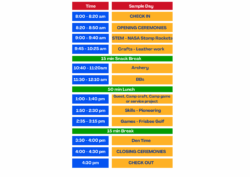
When you begin to map out the schedule, resist the urge to fill every single minute. Children, especially younger ones, need plenty of downtime and flexibility. Over-scheduling can lead to burnout and resistance, defeating the purpose of creating a helpful routine. Instead, focus on blocking out larger chunks of time for categories like "morning routine," "learning time," "outdoor play," or "quiet activities." Within these blocks, there can be room for spontaneous choices and varied activities, maintaining a balance between structure and freedom.
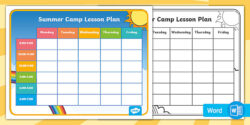
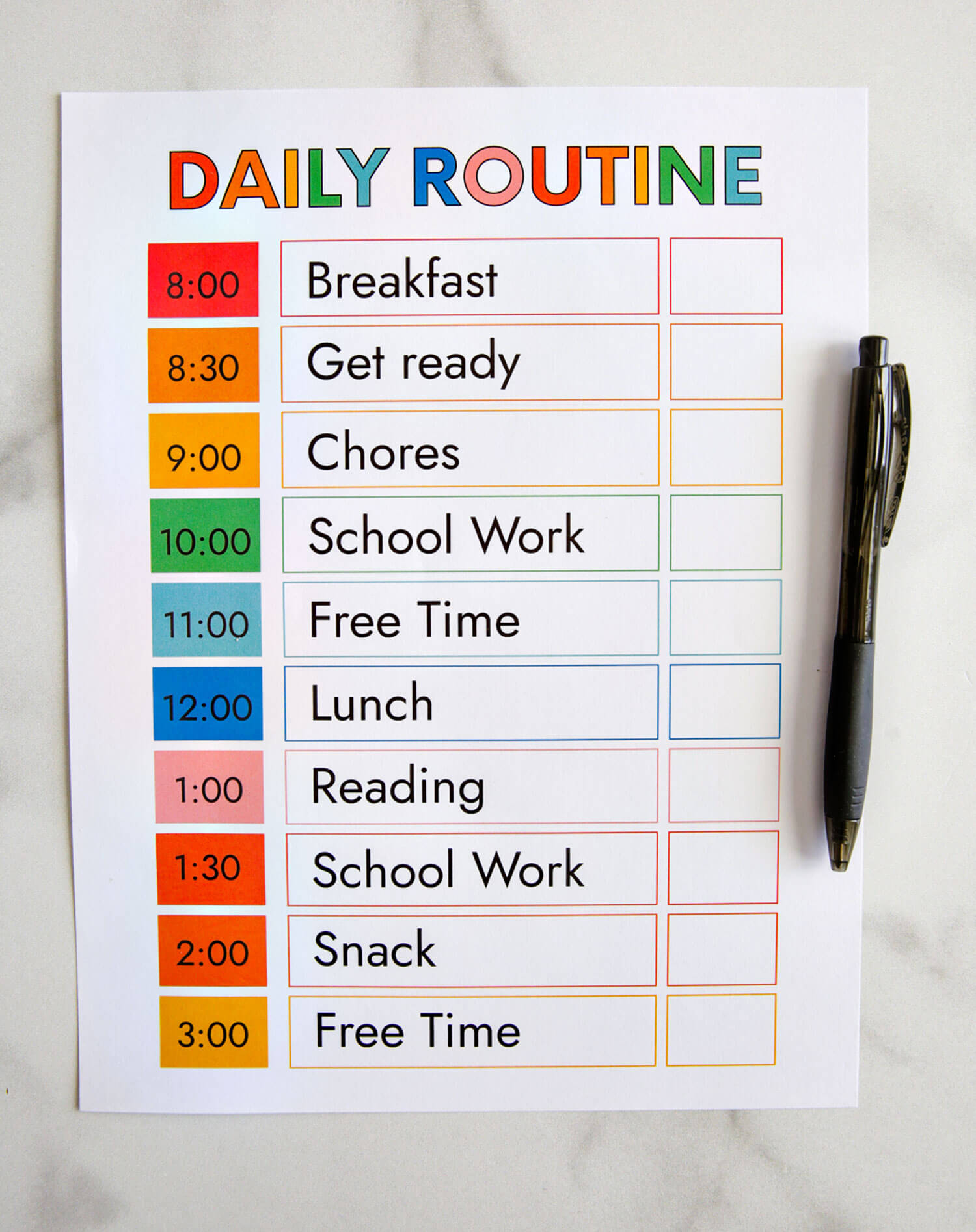
Visual schedules are incredibly powerful, particularly for younger children or those who learn best visually. Pictures, drawings, or simple icons representing different activities can make the schedule easy to understand, even for non-readers. You can print out images, draw them by hand, or use magnetic boards with changeable tiles. Placing the schedule in a prominent location, like on the refrigerator or a bedroom wall, ensures it’s always visible and accessible for everyone to reference throughout the day.
Remember that a daily schedule template for kids is a living document. It’s not set in stone and will likely need adjustments as your children grow, seasons change, or new activities are introduced. Don’t be afraid to try different approaches, observe what works well and what causes friction, and then adapt accordingly. Regular family meetings to discuss the schedule, celebrate successes, and brainstorm solutions for challenges can make the process collaborative and maintain enthusiasm for the routine.
- Involve Your Kids: Let them have a say in what goes into their day.
- Start Simple: Don’t overcomplicate it with too many details initially.
- Be Flexible, Not Rigid: Leave room for spontaneity and unexpected events.
- Use Visual Aids: Pictures or drawings help children understand and follow the schedule.
- Place It Prominently: Hang the schedule where everyone can easily see it.
- Review and Adjust Regularly: Life changes, and so should the schedule.
Embracing a daily schedule for your children can genuinely transform the atmosphere in your home, bringing a much-needed sense of calm and order to the often-hectic pace of family life. It’s an investment in your children’s development, helping them build essential life skills while giving you, the parent, a framework to navigate each day with greater confidence and less stress.
By providing clear expectations and a predictable flow to their day, you’re not just managing time; you’re fostering independence, resilience, and a deeper sense of security in your children. Take that first step, tailor a routine that fits your family’s unique rhythm, and watch as your days become smoother, more intentional, and filled with more joy.