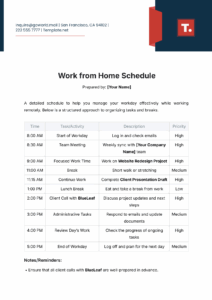
Are you a track and field athlete looking to bring more structure and purpose to your training? Maybe you’re a coach trying to organize your team’s efforts for peak performance. Whatever your role, having a clear and consistent training plan is absolutely essential for success on the track and in the field. It’s the roadmap that guides your progress, prevents burnout, and ensures every session contributes meaningfully to your goals.
That’s where a well-designed track and field practice schedule template comes into play. It takes the guesswork out of daily training, allowing you to focus on execution rather than planning from scratch every time. In this article, we’ll dive into what makes an effective schedule and how you can craft your very own, tailored to your specific needs and aspirations.
The Core Elements of an Effective Track and Field Practice Schedule
Building a successful track and field athlete isn’t just about showing up; it’s about showing up with a plan. A solid practice schedule provides the necessary structure, ensuring that all aspects of an athlete’s development – speed, strength, endurance, technique, and recovery – are systematically addressed. Without a well-thought-out template, training can become haphazard, leading to plateaus, increased risk of injury, and an unfulfilled potential.
Every great schedule is built on foundational principles that aim for progressive overload and balanced development. It’s not simply about running laps or throwing far; it’s about a strategic progression that prepares the body and mind for the demands of competition. Consistency, variety, and adaptability are key ingredients that transform a simple list of workouts into a powerful tool for athletic growth.
Non-Negotiable Training Blocks
To ensure comprehensive development, an effective track and field practice schedule template must integrate several distinct training components regularly. Each block serves a unique purpose, contributing to the athlete’s overall physical and technical prowess.
- Warm-Up and Dynamic Stretching
- Event-Specific Drills and Technical Work
- Strength and Power Training
- Endurance and Conditioning
- Cool-Down and Static Stretching
- Rest and Recovery Days
The warm-up and cool-down are often underestimated but are crucial for injury prevention and enhancing performance. A proper warm-up prepares the muscles and cardiovascular system for intense activity, while a cool-down aids in recovery and flexibility. Neglecting these bookends of a practice session can significantly hinder an athlete’s long term progress and resilience.
Event-specific drills are the heart of technical mastery. Whether it’s perfecting a block start, refining a hurdle clearance, or improving shot put glide technique, these sessions are where athletes hone the precise movements required for their discipline. Coupled with strength and power training, which focuses on developing explosive force and muscular endurance relevant to sprinting, jumping, or throwing, these elements form the backbone of competitive readiness. Conditioning ensures that athletes have the stamina to maintain their performance throughout an event or competition, while dedicated rest and recovery days are absolutely essential for muscle repair and preventing overtraining.
Tailoring Your Own Track and Field Practice Schedule Template
While general principles apply, a truly effective track and field practice schedule template isn’t a one-size-fits-all solution. Every athlete is unique, with different strengths, weaknesses, primary events, and time constraints. Crafting a template that genuinely works means taking into account these individual factors, making it a living document that evolves with your progress and goals.
Consider your specific event group first. A sprinter’s schedule will look very different from a distance runner’s, and a thrower’s routine will vary significantly from a high jumper’s. Your current fitness level, training experience, and even your school or work commitments all play a vital role in determining how many sessions you can realistically commit to each week and the intensity of those sessions.
To help you get started on personalizing your plan, here are some key considerations:
- Identify Your Primary Events and Goals
- Assess Your Current Fitness and Skill Level
- Determine Available Training Time
- Incorporate Periodization Principles (Pre-Season, In-Season, Off-Season)
- Prioritize Rest and Active Recovery
- Be Flexible and Listen to Your Body
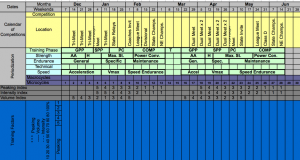
Understanding periodization is also incredibly helpful. This involves strategically varying your training intensity and volume over time to peak at the right moments, such as during the competitive season. Pre-season might focus on building a strong base, in-season on maintaining and sharpening, and off-season on recovery and addressing weaknesses. This cyclical approach prevents burnout and ensures sustainable progress throughout the year.
Ultimately, your track and field practice schedule template should be a flexible guide, not an unbending law. There will be days when you need to adjust due to fatigue, minor aches, or unexpected life events. Learning to listen to your body and making smart, informed decisions about when to push and when to back off is a critical skill for any athlete striving for long-term success and enjoyment in the sport.
Implementing a well-structured training plan is a game-changer for any track and field athlete. It brings clarity, consistency, and a clear path towards achieving your personal bests, transforming ambitious goals into tangible results.
By taking the time to design and consistently follow a personalized schedule, you’re not just training harder; you’re training smarter. Embrace the journey of consistent effort and watch as your dedication unfolds on the track, in the field, and in your overall athletic development.