Stepping into nursing school is an exciting but often overwhelming adventure. You’re embarking on a journey that will shape you into a compassionate and skilled healthcare professional, but let’s be honest, it’s no walk in the park. The sheer volume of information, combined with demanding clinical rotations and practical skills labs, can make you feel like you’re constantly playing catch-up. It’s a rigorous academic environment where success often hinges on more than just intelligence; it requires masterful organization and time management.
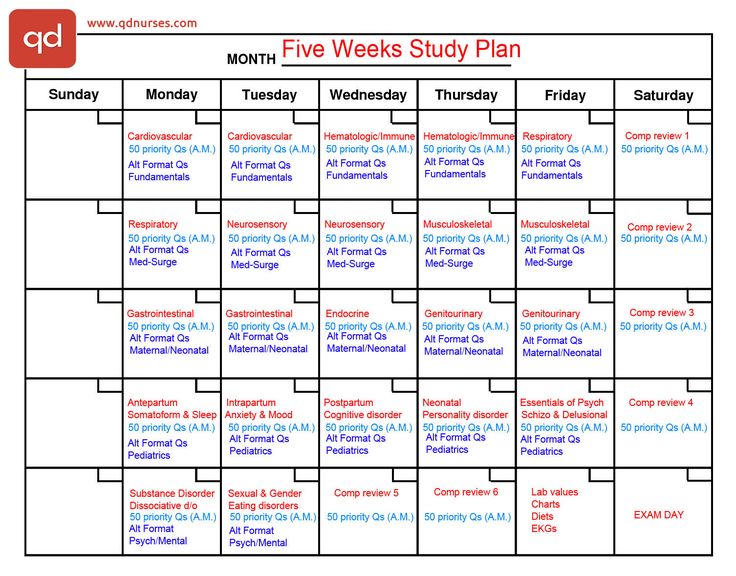
This is precisely why having a solid plan is not just helpful, but absolutely essential. Think of your study time as your most valuable resource, and without a map, you might just wander aimlessly. A well-structured approach can transform chaos into clarity, making your demanding schedule feel manageable and even empowering. That’s where a dedicated nursing school study schedule template comes into play, offering a clear path through the academic jungle and helping you thrive rather than just survive.
Why a Nursing School Study Schedule Template is Your Secret Weapon
Navigating the complexities of nursing education can feel like a high-stakes balancing act. You’ve got anatomy and physiology, pharmacology, pathophysiology, clinical rotations, skills labs, group projects, and let’s not forget, trying to maintain some semblance of a personal life. Without a structured approach, it’s easy to feel constantly behind, stressed, and even burnt out before you’ve truly begun. A thoughtful nursing school study schedule template acts as your personal roadmap, guiding you through the academic year with greater confidence and efficiency.
Implementing a study template isn’t just about allocating time; it’s about creating a system that reduces decision fatigue and maximizes your learning potential. When you know exactly what you need to study and when, you spend less time worrying about what to do next and more time actually learning. This structured approach helps reinforce material through spaced repetition, prevents last-minute cramming sessions that are often ineffective in nursing, and ensures you’re dedicating appropriate time to all your subjects, not just the ones you enjoy most. It’s a proactive step toward academic excellence and preserving your mental well-being.
Key Components of an Effective Study Schedule
- Block out all fixed commitments: First things first, mark down all your classes, clinical hours, lab sessions, and any work shifts. These are your non-negotiables.
- Dedicate time for active learning: Don’t just read. Schedule time for making flashcards, practicing dosage calculations, reviewing case studies, teaching concepts to a study partner, or drawing out physiological processes.
- Incorporate regular breaks: Your brain isn’t designed to go nonstop. Short, strategic breaks prevent burnout and actually improve retention. Think 10-15 minutes every hour or two.
- Schedule review sessions: Don’t wait until exam week. Integrate weekly or bi-weekly review sessions for all subjects to consolidate information.
- Plan for NCLEX preparation: From day one, think about how each piece of information connects to the big picture. Integrate small, consistent NCLEX-style question practice into your routine.
Understanding these components helps you move beyond just passively attending lectures. Nursing school demands active engagement with the material. By scheduling specific blocks for tasks like creating concept maps, practicing critical thinking questions, or discussing complex topics with peers, you’re building deeper understanding and long-term memory. This active learning approach is paramount for truly grasping the intricate knowledge required to become a competent nurse, rather than just memorizing facts for an exam.
Remember, your nursing school study schedule template isn’t set in stone. It’s a living document that needs to be flexible enough to accommodate unexpected changes, like a sudden clinical shift or a group project deadline. The goal is to create a sustainable routine that supports your academic success without completely sacrificing your personal life. Prioritize self-care, sleep, nutrition, and some form of relaxation. These aren’t luxuries; they are fundamental to performing at your best in such a demanding program.
Building Your Personalized Nursing School Study Schedule
Creating a study schedule tailored specifically to your needs is a highly personal endeavor. There isn’t a single one-size-fits-all template that works for every nursing student, because everyone has different peak learning times, existing commitments, and study habits. The secret lies in understanding your own rhythms and preferences, and then designing a routine that leverages your strengths while addressing your areas for improvement. This customization ensures that your schedule is not just a list of tasks, but a powerful tool for academic efficiency and personal well-being.
Start by being honest with yourself about when you are most productive. Are you a morning person who thrives on early study sessions, or do you find your focus sharpening in the late evenings? Once you identify your optimal learning windows, you can strategically place your most challenging subjects or demanding study tasks during those times. This alignment of task difficulty with your peak energy levels can significantly enhance your comprehension and retention, making your study hours far more effective.
Here’s a practical approach to constructing your unique schedule:
- Map out all fixed commitments: Use a calendar to visually block out every hour dedicated to classes, clinicals, labs, work, and non-negotiable personal appointments.
- Identify your energy peaks and troughs: Note when you feel most alert and focused, and when your energy dips. Plan intense study sessions for your peaks.
- Allocate study blocks for each subject: Be specific. Instead of “study pharmacology,” write “review Chapter 5 pharmacology and complete practice questions.” Break down large tasks into smaller, manageable chunks.
- Integrate review sessions: Schedule dedicated time weekly to review material from all courses. This active recall strengthens memory and prepares you for cumulative exams.
- Schedule self-care and leisure: Non-academic activities are crucial. Include time for exercise, hobbies, family, and social interactions to prevent burnout.
Once you have a draft, try it out for a week or two. Pay attention to how you feel, what worked well, and what felt forced or ineffective. Don’t be afraid to make adjustments. Maybe you discover that studying pathophysiology late at night isn’t as productive as you thought, or that you need more time for clinical paperwork than initially anticipated. This iterative process of planning, executing, and refining is key to creating a truly effective and sustainable nursing school study schedule template that evolves with your needs throughout the semester.
Remember, consistency is more important than perfection. Even if you can’t stick to your schedule flawlessly every single day, the act of having one and striving to follow it will provide immense structure and discipline. Over time, these consistent efforts will compound, leading to a deeper understanding of course material, improved academic performance, and a greater sense of control over your demanding nursing school journey. Your personalized study plan is a dynamic guide designed to empower you to succeed.
Embracing a structured study routine is one of the most powerful steps you can take to navigate the demanding landscape of nursing school successfully. It’s about more than just managing your time; it’s about investing in your learning, reducing stress, and building the resilient habits that will serve you well throughout your entire career as a nurse. By thoughtfully planning your academic journey, you empower yourself to tackle challenges with confidence and maximize your potential.
As you progress through your program, remember that adaptability and self-awareness are your greatest allies. Your study needs will likely change with each new semester and clinical rotation. Continuously evaluate what works best for you, and don’t hesitate to fine-tune your approach. With dedication and a well-crafted plan, you’re not just getting through nursing school; you’re truly thriving and laying a strong foundation for a fulfilling and impactful profession.