Ever feel like your creative genius is constantly battling a whirlwind of deadlines, revisions, and unexpected changes? You’re not alone. In the fast-paced world of graphic design, projects can quickly spiral into chaos without a clear roadmap. Juggling multiple client demands, coordinating with team members, and ensuring every design element aligns with the brief requires more than just artistic talent; it demands impeccable organization.

That’s where a well-crafted graphic design production schedule template becomes your ultimate ally. It transforms a complex, multi-stage project into a series of manageable, trackable steps, giving you a bird’s-eye view of your entire workflow. Think of it as your project’s GPS, guiding you and your team from initial concept to final delivery, ensuring everyone stays on track and no crucial detail is overlooked.
Why Every Design Project Needs a Solid Schedule
Imagine starting a road trip without a map or even a destination in mind. You might enjoy the scenery for a while, but eventually, you’d get lost, run out of gas, or miss important sights. Design projects are no different. Without a structured schedule, projects are prone to delays, budget overruns, and a significant amount of stress for everyone involved. A robust production schedule provides clarity, sets realistic expectations, and acts as a single source of truth for all project stakeholders.
One of the biggest culprits for project headaches is scope creep, where the initial project requirements gradually expand without corresponding adjustments to the timeline or budget. A detailed schedule helps mitigate this by clearly defining the project’s boundaries and phases from the outset. When a new request comes in, you can easily see its impact on the existing schedule, allowing for informed decisions about whether to incorporate it and adjust the timeline, or defer it to a future phase.
Beyond preventing common pitfalls, a production schedule significantly enhances communication, both internally within your design team and externally with clients. When everyone knows what needs to be done, who is responsible for it, and by when, there’s less room for misunderstandings or missed deadlines. It fosters accountability and transparency, building trust and ensuring that client expectations are managed proactively rather than reactively.
Furthermore, a well-defined schedule empowers better resource allocation. You can see when specific team members will be needed for particular tasks, helping you avoid overbooking or underutilizing your talent. This strategic overview allows you to identify potential bottlenecks before they occur and make adjustments, ensuring a smoother flow of work and a more efficient use of your team’s valuable time and skills. It’s about working smarter, not just harder, to bring those stunning designs to life.
Key Benefits of Using a Production Schedule
- Improved project visibility and control
- Reduced risk of missed deadlines and budget overruns
- Enhanced communication with clients and team members
- Better management of scope creep
- More efficient resource allocation and workload balancing
- Increased accountability and team morale
- Consistent delivery of high-quality design work
Building Your Own Effective Graphic Design Production Schedule Template
Crafting your own graphic design production schedule template might seem daunting at first, but it’s a systematic process that pays dividends in the long run. Start by breaking down your typical design project into its core stages. These usually include discovery and briefing, conceptualization, initial design drafts, client review rounds, revisions, final artwork preparation, and delivery. Each of these stages will then contain specific tasks and sub-tasks that need to be completed.
For each task, identify who is responsible, what resources are needed, and how long it’s expected to take. Be realistic with your time estimates; it’s always better to over-estimate slightly and deliver early than to rush and compromise quality. Consider adding buffer time for unexpected delays, client feedback that takes longer than anticipated, or technical glitches. This flexibility is crucial in creative projects, which often involve iterative processes and subjective feedback.
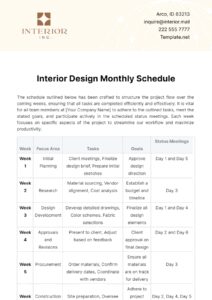
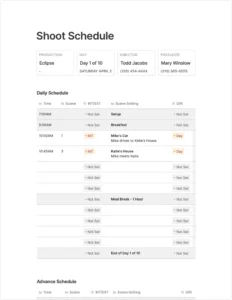
There are various tools you can use to build your template, from simple spreadsheets in Excel or Google Sheets to more advanced project management software like Asana, Trello, Monday.com, or ClickUp. Spreadsheets offer flexibility and are easy to customize, allowing you to create columns for task names, assignees, start dates, due dates, status updates, and notes. Dedicated project management tools often provide visual timelines like Gantt charts, automation features, and integrated communication, which can be invaluable for larger teams or complex projects.
Remember that your graphic design production schedule template isn’t a rigid, unchangeable document. It’s a living guide that should be reviewed and updated regularly throughout the project lifecycle. As new information emerges or circumstances change, be prepared to adjust your schedule accordingly. Regularly communicate any changes to your team and client to maintain transparency and ensure everyone remains aligned. The goal is to create a framework that supports your creative process, not stifles it.
Essential Elements to Include in Your Template
- Project Name and Client Details
- Key Project Milestones
- Detailed Task List for Each Project Phase
- Assigned Team Member for Each Task
- Estimated Start and End Dates for Each Task
- Actual Start and End Dates (for tracking progress)
- Status (e.g., Not Started, In Progress, Awaiting Review, Completed)
- Client Review Cycles and Deadlines
- Revision Allocation
- Notes or Comments Section for each task
- Dependencies between tasks
Adopting a structured approach to your graphic design projects doesn’t stifle creativity; it liberates it by handling the administrative burden. By leveraging a comprehensive production schedule, you empower your team to focus on what they do best: creating exceptional visual experiences. It’s about building a robust framework that supports your artistic vision, ensuring that every project is executed smoothly, efficiently, and to the highest possible standard.
Ultimately, having a clear plan in place transforms potential chaos into predictable success. It cultivates a more organized workflow, leads to happier clients, and reduces stress for everyone involved. Investing time upfront to develop and utilize a strong project schedule will undoubtedly lead to more successful design outcomes, allowing you to consistently deliver impactful work that truly stands out.