Embarking on a music video project is an exciting journey, full of creative ideas and artistic vision. However, without a clear roadmap, that journey can quickly devolve into disarray, missed shots, and budget overruns. Imagine trying to coordinate a dozen different people, locations, and pieces of equipment, all while the clock is ticking and the sun is setting, with nothing more than a few scribbled notes. It’s a recipe for stress and, potentially, an unfinished project.
That’s where meticulous planning steps in, turning chaos into a choreographed dance. A well-structured plan is not just about staying organized; it’s about empowering your creative process by removing logistical hurdles. It allows you to focus on the artistry, knowing that the practicalities are firmly in hand. This foundation of organization is what makes the difference between a dream realized and a nightmare unfolding on set.
Why a Music Video Shooting Schedule Is Your Best Friend
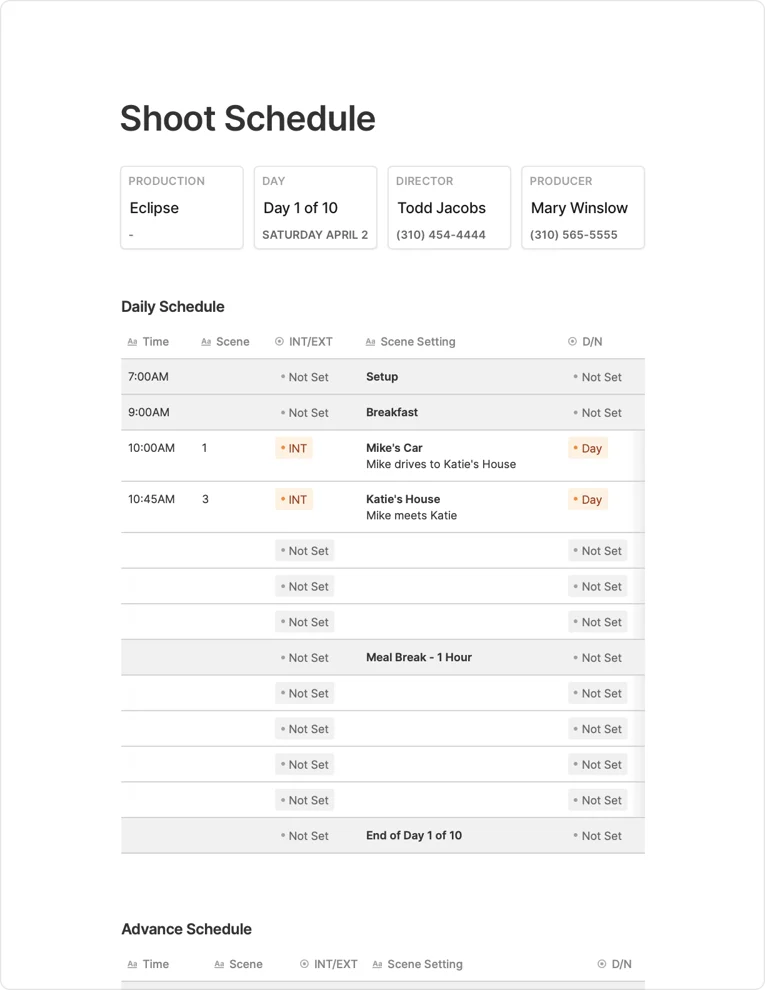
When you’re producing a music video, you’re essentially managing a mini-movie production. There are countless moving parts: talent, crew, locations, props, costumes, and specialized equipment. Without a detailed music video shooting schedule, you’re navigating a complex maze blindfolded. This schedule acts as your master plan, guiding every person involved from the first call time to the final wrap. It ensures everyone knows where they need to be, what they need to do, and when they need to do it.
Beyond just keeping things on track, a robust schedule is a critical tool for budget management. Every hour wasted on set translates directly into dollars lost, whether it’s crew wages, equipment rental fees, or location costs. By optimizing your time, you maximize your resources, allowing you to allocate funds more effectively towards creative elements rather than operational inefficiencies. It also fosters clear communication across the entire team, minimizing misunderstandings and ensuring a cohesive workflow, which is invaluable when deadlines are tight.
Moreover, a well-defined schedule allows for proactive problem-solving. When you meticulously plan out each day, you can identify potential bottlenecks or conflicts before they even arise. For example, if you realize two crucial scenes require the same specialized piece of equipment but are scheduled back-to-back in different locations, your schedule will highlight this conflict, allowing you to adjust in advance. This foresight prevents costly delays and last-minute scrambling that can derail your entire production.
Ultimately, having a concrete schedule instills confidence in your team and your talent. Everyone feels more secure knowing there’s a clear plan of action, leading to a more focused and productive atmosphere on set. It’s not just a list of tasks; it’s a living document that empowers your entire creative and technical team to perform at their best, ensuring that your artistic vision is translated effectively onto the screen.
Essential Components of a Robust Schedule
- Date and Time: Clearly outline the specific dates and precise times for each shooting block, including call times and estimated wrap times.
- Location Details: Specify the exact address and any special instructions for each location, including parking or access information.
- Scene and Shot Breakdown: Detail which scenes or individual shots will be filmed during each block, often referencing a shot list or storyboard.
- Cast and Crew Call Times: List the specific individuals required for each segment and their exact arrival times.
- Equipment Requirements: Note any specific cameras, lighting, sound gear, or special effects equipment needed for particular shots.
- Special Notes or Instructions: Include important information like prop requirements, wardrobe changes, meal breaks, or contingency plans for weather.
Building Your Music Video Shooting Schedule Template From Scratch
Creating your own music video shooting schedule template doesn’t have to be daunting. It begins with your creative vision, moving from abstract ideas to concrete action items. Start by revisiting your music video treatment and script, breaking it down into individual scenes and then further into specific shots. Every shot you plan to capture should have a place in your schedule. This detailed breakdown allows you to quantify the amount of time and resources each segment will demand, forming the bedrock of your production plan.
Once you have your comprehensive shot list, the next crucial step is to group similar shots or scenes together. Think about your locations. Can you shoot all the scenes at one particular location on the same day, or even within the same block of hours? This minimizes travel time, setup and breakdown, and the overall logistical complexity. Similarly, consider your cast and crew; can you consolidate their required presence to specific days to optimize their availability and your budget? Efficient grouping is key to streamlining your production.
After grouping, you need to realistically allocate time for each block. This isn’t just about the actual filming time. You must factor in setup and breakdown time for equipment, lighting adjustments, talent wardrobe and makeup changes, travel between locations, and essential meal breaks. A common mistake is underestimating these non-shooting periods, which can quickly throw your entire schedule off track. Always build in buffer time for unexpected delays – technology glitches, weather changes, or creative adjustments on the fly are almost inevitable.
Finally, remember that a schedule is a living document. It should be flexible enough to accommodate unforeseen circumstances without derailing the entire production. Share your draft schedule with your key crew members and talent for their input, as they might spot practical challenges you overlooked. Be prepared to revise and adapt. The most effective music video shooting schedule template isn’t just a rigid plan; it’s a dynamic guide that helps you navigate the unpredictable nature of filmmaking, ensuring that you can adapt while still achieving your ultimate creative goals.
Armed with a well-thought-out schedule, you transform the overwhelming task of producing a music video into a manageable series of steps. It’s more than just a piece of paper; it’s the backbone of your production, ensuring everyone is aligned and focused on bringing your artistic vision to life. By investing time in this essential pre-production phase, you set yourself up for a smoother, more efficient shoot, allowing your creativity to shine without logistical headaches.