Do you ever feel like your days are running you, instead of the other way around? In a world constantly vying for our attention, finding a way to not just manage time but to genuinely live by our deepest values can feel like an uphill battle. Stephen Covey’s timeless principles, laid out in “The 7 Habits of Highly Effective People,” offer a powerful framework for achieving this, moving beyond mere efficiency to profound effectiveness.

But understanding the habits is one thing; consistently applying them in your daily life is another. That’s where a structured approach comes into play. Imagine having a clear roadmap for your week that integrates these principles seamlessly, helping you prioritize what truly matters and build a life of purpose. A well-designed schedule isn’t about rigid control, but about empowering you to make intentional choices every single day.
Understanding the Core Principles for Your Schedule
The essence of the 7 Habits lies in proactive, principle-centered living. It’s not just about checking items off a to-do list, but about aligning your actions with your long-term vision and values. When it comes to your schedule, this means moving beyond the urgent and focusing on the important. Many of us get trapped in Quadrant 1 activities—the urgent and important—leaving little room for Quadrant 2 tasks, which are important but not urgent. These are the activities that build relationships, plan for the future, and enhance personal growth, and they are critical for long-term effectiveness.
A truly effective schedule helps you carve out dedicated time for these Quadrant 2 activities. It’s about more than just fitting things in; it’s about intentionally designing your week to reflect your priorities. By consciously blocking out time for these often-neglected areas, you prevent crises and build a more balanced and fulfilling life. Your schedule becomes a tool for proactive creation rather than reactive management.
Proactive Scheduling
Habit 1, “Be Proactive,” is the foundation. This means taking responsibility for your choices and actions, rather than blaming circumstances or other people. When you apply this to your schedule, it means you actively create your week based on your values and goals, instead of letting external demands dictate your time. It’s about using your unique human endowments—self-awareness, imagination, conscience, and independent will—to design your life, not just live it by default. Your schedule is a reflection of your commitment to proactive living.
Beginning with the End in Mind for Your Day
Habit 2, “Begin with the End in Mind,” encourages you to envision your desired future and then work backward. For your daily and weekly schedule, this means starting with a clear understanding of what you want to achieve, both in terms of tasks and the kind of person you want to be. Before you even open your planner, ask yourself: What are my most important roles this week? What are the key results I want to achieve? How do I want to feel at the end of the day or week? This clarity will inform every decision you make when structuring your time, ensuring your schedule is purpose-driven.
Here are some elements to consider for your principle-centered schedule:
Crafting Your Personalized Schedule Template
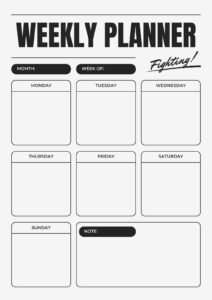
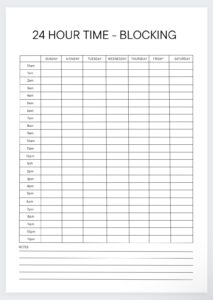
While the principles are universal, the application of a 7 habits of highly effective people schedule template must be deeply personal. There’s no single perfect template that works for everyone because each person’s roles, responsibilities, and rhythms are unique. The goal is to create a template that serves as a flexible guide, helping you integrate the habits into your specific context, rather than a rigid structure that causes stress. It’s about designing a week that supports your personal mission statement and helps you achieve your most important objectives.
Think about how you can integrate the interpersonal habits into your planning. Habit 4, “Think Win-Win,” applies to how you schedule not just your solo work, but also your interactions with others. When planning meetings, family time, or collaborative projects, consider how your schedule can facilitate mutually beneficial outcomes. This might mean being flexible, communicating your availability clearly, or finding times that work best for everyone involved, rather than just optimizing for your own convenience.
Habit 5, “Seek First to Understand, Then to Be Understood,” is crucial for navigating schedule conflicts or unexpected demands from others. Before reacting to a new request or a change in plans, take a moment to truly understand the other person’s needs and perspective. This empathetic approach can lead to more effective negotiations and solutions, allowing you to adjust your schedule gracefully while maintaining important relationships and commitments. It helps prevent resentment and fosters a spirit of cooperation.
Finally, Habit 6, “Synergize,” reminds us that the whole is greater than the sum of its parts. Your schedule template should not just be a collection of individual tasks, but a harmonious flow that creates synergy across your different life areas. By intentionally grouping similar tasks, scheduling focused work blocks, and integrating personal development with professional responsibilities, you can achieve more with less effort. It’s about finding creative solutions that leverage your strengths and resources to produce superior results in all aspects of your life.
Here are practical steps to build your custom schedule template:
Embracing a principle-centered approach to your schedule can be a transformative journey. It’s about more than just managing your time; it’s about managing yourself, your priorities, and your commitment to leading a truly effective life. By taking the time to design a schedule that reflects your values and goals, you’re not just organizing your days, you’re actively creating the life you desire.
Start small, be patient with yourself, and remember that effectiveness is a continuous process of learning and refinement. The power to shape your days and, ultimately, your destiny lies in your hands, ready to be wielded with intention and purpose.