Navigating the complexities of employee scheduling can often feel like a puzzle, especially when your operations rely on 8-hour shifts. Whether you’re managing a small team or a large enterprise, creating a fair, efficient, and compliant schedule is paramount to maintaining productivity and employee satisfaction. A well-crafted schedule ensures proper coverage, minimizes overtime costs, and provides employees with the predictability they need for their personal lives.
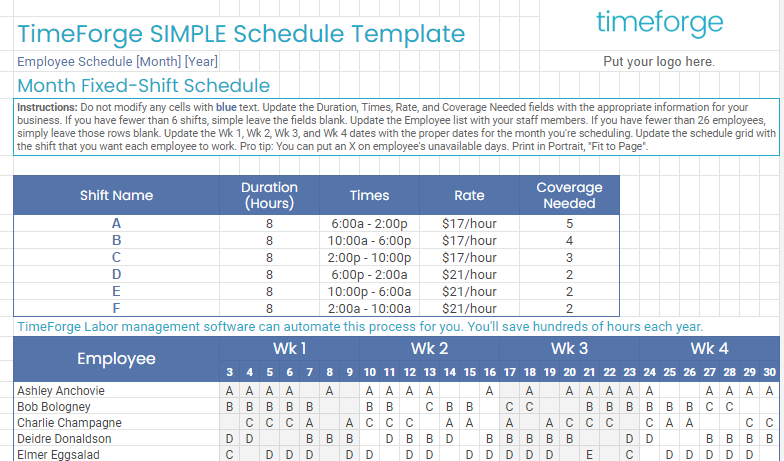
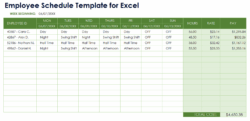
The good news is that you don’t have to start from scratch every time. Utilizing an effective 8 hour shift work schedule template can streamline this process significantly, saving you time and reducing errors. This approach not only simplifies the administrative burden but also allows you to implement strategies that support work-life balance for your staff, ultimately leading to a more engaged and motivated workforce. Let’s explore how to build and implement such a template effectively.
Designing Your Ideal 8-Hour Shift Schedule
Crafting a robust schedule for 8-hour shifts requires careful consideration of various factors unique to your business. It’s not just about filling time slots; it’s about optimizing resource allocation, complying with labor laws, and ensuring employee wellbeing. A successful schedule starts with understanding your operational demands, including peak hours, essential roles, and the specific skill sets required for each shift. Think about your daily cycle – when are your busiest times, and when can you afford to have fewer staff members present?
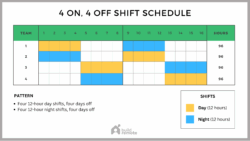
Once you have a clear picture of your operational needs, you can begin to outline the structure. Consider different rotation patterns that fit your industry. For example, a common approach is a “5/2” schedule, where employees work five 8-hour shifts and then have two days off. Other businesses might benefit from a continental shift pattern, which involves longer periods of work followed by longer periods of rest, often including weekend coverage. The key is to find a pattern that provides consistent coverage while also giving employees predictable time off.
When developing an 8 hour shift work schedule template, remember to factor in breaks and handover times. An 8-hour shift typically includes a meal break and shorter rest breaks, as mandated by labor laws. These breaks need to be scheduled systematically to avoid disruption and ensure employees receive their entitled time off. Additionally, effective handover periods between shifts can significantly improve operational continuity and reduce errors, allowing the incoming team to be fully briefed on ongoing tasks and critical information.
Finally, building flexibility into your template is crucial. While a template provides a stable framework, real-world scenarios often require adjustments. Be prepared for unexpected absences, special projects, or seasonal fluctuations. A well-designed template should allow for easy modifications without derailing the entire system. Implementing a system that permits employees to swap shifts or request time off in advance, all within the template’s structure, can empower your team and reduce management headaches.
Key Considerations for Your Template
- Identify core operational hours and staffing requirements.
- Incorporate mandatory meal and rest breaks.
- Plan for sufficient overlap or handover time between shifts.
- Establish clear rules for shift rotations and days off.
- Allow for flexibility and easy modification for unforeseen circumstances.
- Ensure compliance with local labor laws and regulations regarding hours, overtime, and breaks.
Maximizing Efficiency and Employee Well-being with Your Schedule
Implementing a carefully designed 8-hour shift work schedule template offers a multitude of benefits that extend beyond mere organizational convenience. It’s a strategic tool that significantly impacts both operational efficiency and the overall well-being of your workforce. When employees have a clear, predictable schedule, they can plan their personal lives more effectively, reducing stress and improving their morale. This predictability often translates into lower absenteeism and higher engagement levels, as staff feel valued and respected.
From an operational standpoint, a solid template minimizes the risk of understaffing or overstaffing, which directly impacts your bottom line. Understaffing can lead to burnout, missed opportunities, and a decline in service quality, while overstaffing inflates labor costs unnecessarily. By using a template, you can ensure that the right number of people with the right skills are in the right place at the right time, leading to smoother operations and optimized productivity. It also makes it easier to track labor costs and ensure compliance with budgeting goals.
Moreover, a standardized scheduling approach fosters fairness and transparency among your team. When employees understand the system behind their shifts, they are less likely to perceive favoritism or unfair distribution of undesirable shifts. This transparency builds trust and strengthens team cohesion, creating a more positive work environment. Regular communication about the schedule and any necessary changes is vital to maintaining this trust and keeping everyone on the same page.
To truly maximize the effectiveness of your schedule, consider leveraging technology. Modern scheduling software can automate many of the tedious tasks associated with creating and managing shifts, from balancing workloads to tracking time-off requests. These tools can integrate with payroll systems, provide real-time updates, and even allow employees to access their schedules and communicate directly through an app. Investing in such technology can amplify the benefits of your carefully designed 8 hour shift work schedule template, making it an even more powerful asset for your business.
Implementing a well-thought-out scheduling strategy is more than just an administrative task; it’s a critical component of successful business management and employee retention. By creating a clear, equitable, and flexible system for 8-hour shifts, you empower your team, optimize your operations, and foster a positive work environment where everyone can thrive. The effort you put into designing an effective schedule today will pay dividends in productivity and satisfaction tomorrow.
Ultimately, the goal is to create a harmonious balance between the demands of your business and the needs of your people. A proactive approach to scheduling, backed by a robust template and smart practices, ensures that your business runs smoothly while supporting the well-being and engagement of your most valuable asset: your employees. It’s about setting everyone up for success, day in and day out.