Are you constantly feeling overwhelmed, like there aren’t enough hours in the day to tackle everything on your plate? In today’s fast-paced world, juggling work, personal life, errands, and self-care can feel like an impossible task. We often find ourselves reacting to urgent demands rather than proactively shaping our days, leaving us stressed and feeling unproductive.
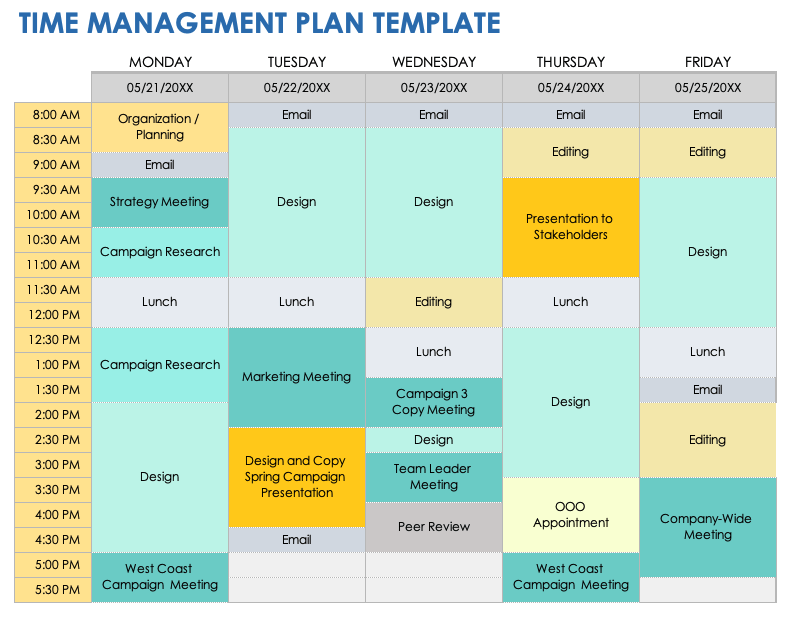
The good news is that it doesn’t have to be this way. A well-structured weekly schedule can be a game-changer, transforming chaos into clarity and helping you regain control of your time. By taking a strategic approach to how you allocate your hours, you can create space for what truly matters, reduce stress, and boost your overall productivity. This is where a robust time management weekly schedule template comes into its own.
Why a Weekly Schedule is Your Productivity Power-Up
Implementing a weekly schedule might seem like just another task to add to your already full to-do list, but its benefits far outweigh the initial effort. Think of it as investing a small amount of time upfront to gain significant dividends in focus, calm, and achievement throughout your week. It provides a bird’s-eye view of your commitments, helping you visualize your week before it even begins and preventing those frantic last-minute scrambles.
One of the most powerful aspects of a weekly schedule is its ability to help you move from reactive to proactive. Instead of letting your inbox or unexpected requests dictate your day, you decide what deserves your attention and when. This intentional approach dramatically reduces procrastination because you’ve already allocated dedicated time slots for important tasks, making it much harder to put them off. It also ensures that crucial long-term projects or personal goals don’t get continuously pushed aside by urgent, but less important, matters.
Moreover, a weekly schedule offers a level of flexibility that daily planning often lacks. Life happens, and unforeseen events pop up. When you have a weekly plan, a disruption on one day doesn’t derail your entire week; you can see the broader picture and easily shift tasks to another available slot. This adaptability reduces frustration and keeps your momentum going, making your planning efforts sustainable.
Ultimately, your weekly schedule becomes a roadmap for success, guiding you through your professional and personal responsibilities with purpose. It helps you identify potential bottlenecks before they occur, allowing you to reallocate resources or adjust expectations proactively. By seeing your entire week laid out, you gain an invaluable sense of control and clarity, which are essential for true productivity and peace of mind.
Key Elements of an Effective Weekly Plan
- Fixed Appointments: Start by blocking out all non-negotiable commitments like meetings, classes, appointments, or childcare pick-ups.
- Task Blocks: Group similar tasks together and assign specific time blocks. For example, “deep work,” “email response,” “errands,” or “creative time.”
- Buffer Time: Include short breaks between tasks and longer periods for unexpected interruptions or to catch up. Don’t overschedule yourself.
- Self-Care & Downtime: Crucial for avoiding burnout, these include exercise, hobbies, family time, or simply relaxing. Treat them as non-negotiable.
- Review & Adjust: Dedicate time, usually at the end of the week, to review your progress and make any necessary adjustments for the upcoming week.
Crafting Your Personalized Time Management Weekly Schedule Template
While the idea of a weekly schedule is universally beneficial, its effectiveness truly comes alive when it’s tailored specifically to your life, your goals, and your energy levels. There’s no one-size-fits-all solution, and trying to force yourself into a template that doesn’t align with your natural rhythms is a recipe for frustration. The goal here is to create a time management weekly schedule template that feels like a supportive tool, not a restrictive cage.
Begin by understanding your own patterns. When are you most productive? Are you a morning person who thrives on tackling complex tasks before lunch, or do you hit your stride in the afternoon? Knowing your peak performance times allows you to strategically place your most demanding tasks during those windows. Conversely, schedule less mentally intensive work, like checking emails or administrative duties, during your lower energy periods. This alignment with your natural flow makes adherence much easier and more effective.
Next, consider all the different facets of your life: work, family, personal development, health, and social connections. A balanced weekly schedule isn’t just about work; it’s about integrating all these areas harmoniously. Don’t be afraid to use different colors or symbols within your template to visually differentiate between work, personal, and health-related blocks. Breaking down larger projects into smaller, manageable tasks and slotting those pieces into your weekly schedule will also prevent them from feeling overwhelming.
Finally, remember that consistency is key, but so is flexibility. Your first attempt at a time management weekly schedule template might not be perfect, and that’s completely okay. The process is iterative. Life throws curveballs, and your priorities can shift. Make it a habit to review your schedule at the end of each week and make adjustments for the next. This regular evaluation allows you to fine-tune your approach, learn what works best for you, and continually optimize your time management efforts.
By dedicating time to this crucial planning, you’re not just organizing your hours; you’re intentionally designing a more fulfilling and less stressful life. It’s about taking proactive steps to ensure that your days reflect your true priorities and that you have the time and energy for everything that matters to you. The clarity and control you gain will profoundly impact your well-being and productivity, creating a powerful ripple effect across all areas of your life.