In today’s world, keeping track of your valuable possessions is more important than ever, and for firearm owners, this rings especially true. Creating a comprehensive personal firearms record template isn’t just a good idea; it’s a critical step towards responsible ownership. This template serves as a detailed inventory of your firearms, providing essential information that can be invaluable in various situations.
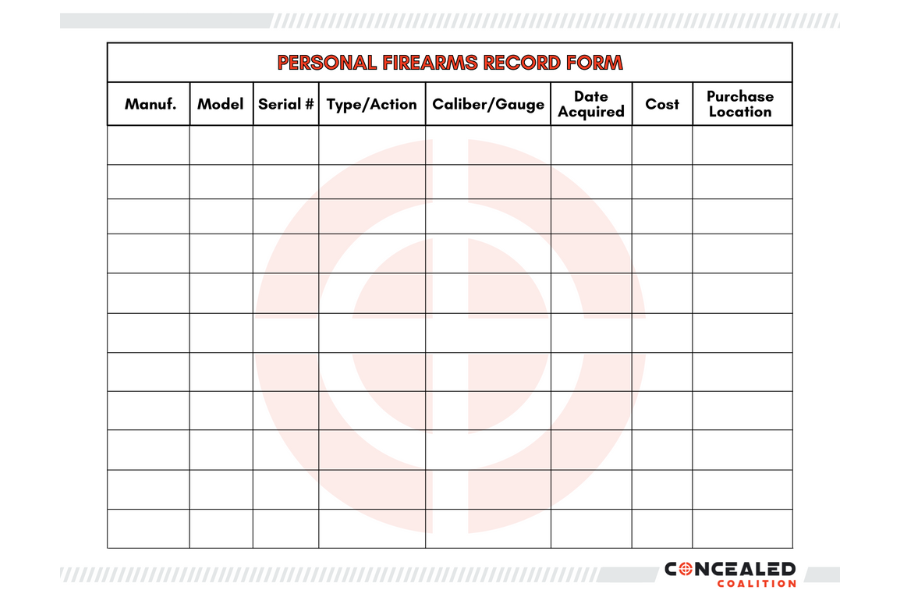
Think of it as your firearm’s personal diary. Whether you own a single hunting rifle or a collection of handguns, having an organized record can offer significant peace of mind. It acts as a safeguard against potential issues, from theft and loss to ensuring a smooth process for insurance claims or estate planning.
Beyond security, a well-maintained record helps you stay on top of maintenance schedules, track upgrades, and even document historical details about each piece. It empowers you with readily accessible information, ensuring you’re always prepared and in control of your collection.
Why Creating a Personal Firearms Record is Essential
The reasons for maintaining a detailed record of your firearms are numerous and compelling. Firstly, and perhaps most critically, is security. In the unfortunate event of theft or loss, having an immediate, accurate record of each firearm’s make, model, and serial number is paramount. This information allows for quick reporting to law enforcement, significantly increasing the chances of recovery and aiding in the investigation process. Without these details, reporting becomes a frustrating and often futile exercise.
Secondly, consider the financial protection offered by a comprehensive record. Should you need to file an insurance claim for damaged, lost, or stolen firearms, your personal firearms record template provides irrefutable proof of ownership and helps establish the value of your assets. Insurance companies require specific details to process claims efficiently, and a well-documented inventory streamlines this entire procedure, ensuring you receive appropriate compensation.
Estate planning is another area where such a record proves invaluable. For those looking to pass their firearms on to heirs, a clear, organized inventory simplifies the inheritance process. It eliminates guesswork for your loved ones regarding what firearms you owned, their values, and any specific wishes you might have for their transfer. This thoughtful preparation can prevent legal complications and emotional distress during an already difficult time.
Furthermore, responsible firearm ownership often involves adhering to various local, state, and federal regulations. While a personal record isn’t a substitute for official registration where required, it helps you keep track of your acquisitions and disposals, ensuring you have a clear timeline and accurate information readily available should you ever need to demonstrate compliance or answer questions regarding your collection’s history.
Beyond legal and security aspects, a detailed record can also be a practical tool for maintenance and enjoyment. You can include sections for maintenance logs, noting when firearms were cleaned, serviced, or had parts replaced. This ensures optimal performance and longevity for your firearms. For collectors, it’s also a fantastic way to document the unique history, modifications, or accessories associated with each piece, enhancing its personal and intrinsic value.
Ultimately, a firearms record isn’t just about protecting your assets; it’s about embracing a proactive approach to firearm ownership. It reflects a commitment to safety, responsibility, and organization, offering a level of confidence that is simply unattainable without such a structured inventory in place.
Steps to Compile Your Comprehensive Firearms Inventory
Getting started on your personal firearms record might seem like a daunting task, but breaking it down into manageable steps makes it straightforward. The first step is gathering all the necessary documentation for each firearm you own. This includes purchase receipts, any registration papers, warranty information, and even old photos. Having these on hand will make populating your template much easier and more accurate.
Next, decide on the format for your record. Some prefer a physical binder with printed templates and appended documents, while others opt for digital solutions like spreadsheets, dedicated software, or secure cloud storage. Each has its advantages; physical records are tangible, while digital ones offer searchability and easier backups. The key is to choose a method that you’ll consistently maintain and that provides adequate security.
Once you have your documents and chosen a format, it’s time to systematically record the details for each firearm. A robust template should capture a variety of crucial data points. Here’s a list of essential information you should consider including:
- Manufacturer and Model
- Serial Number
- Caliber or Gauge
- Acquisition Date
- Acquisition Price
- Seller Information (Name, FFL if applicable)
- Notes on Condition or Unique Features
- Maintenance Log (Dates of cleaning, repairs, modifications)
- Photographs of the firearm (including unique markings or serial number)
- Location of Storage (if applicable, for different secure locations)
Taking the initiative to create and maintain a detailed record of your firearms is a fundamental aspect of responsible gun ownership. It’s an investment in your security, provides clarity for your loved ones, and safeguards your financial interests. The small amount of effort it takes upfront will pay dividends in peace of mind and preparedness, ensuring you are well-equipped to handle any situation that might arise concerning your collection.
Embrace the habit of regular updates to your record, especially after acquiring new firearms or making significant changes to existing ones. This ongoing commitment ensures your inventory remains current and accurate, transforming it from a mere document into a dynamic, living history of your firearms. It’s a proactive measure that empowers you as an owner, solidifying your dedication to both safety and organizational excellence.