Dealing with unpaid invoices can be a significant challenge for any business, regardless of its size. When payments become overdue, a structured approach to communication is essential to recover outstanding funds while maintaining professionalism. This is where a well-designed standard debt collection letter template becomes an invaluable asset.
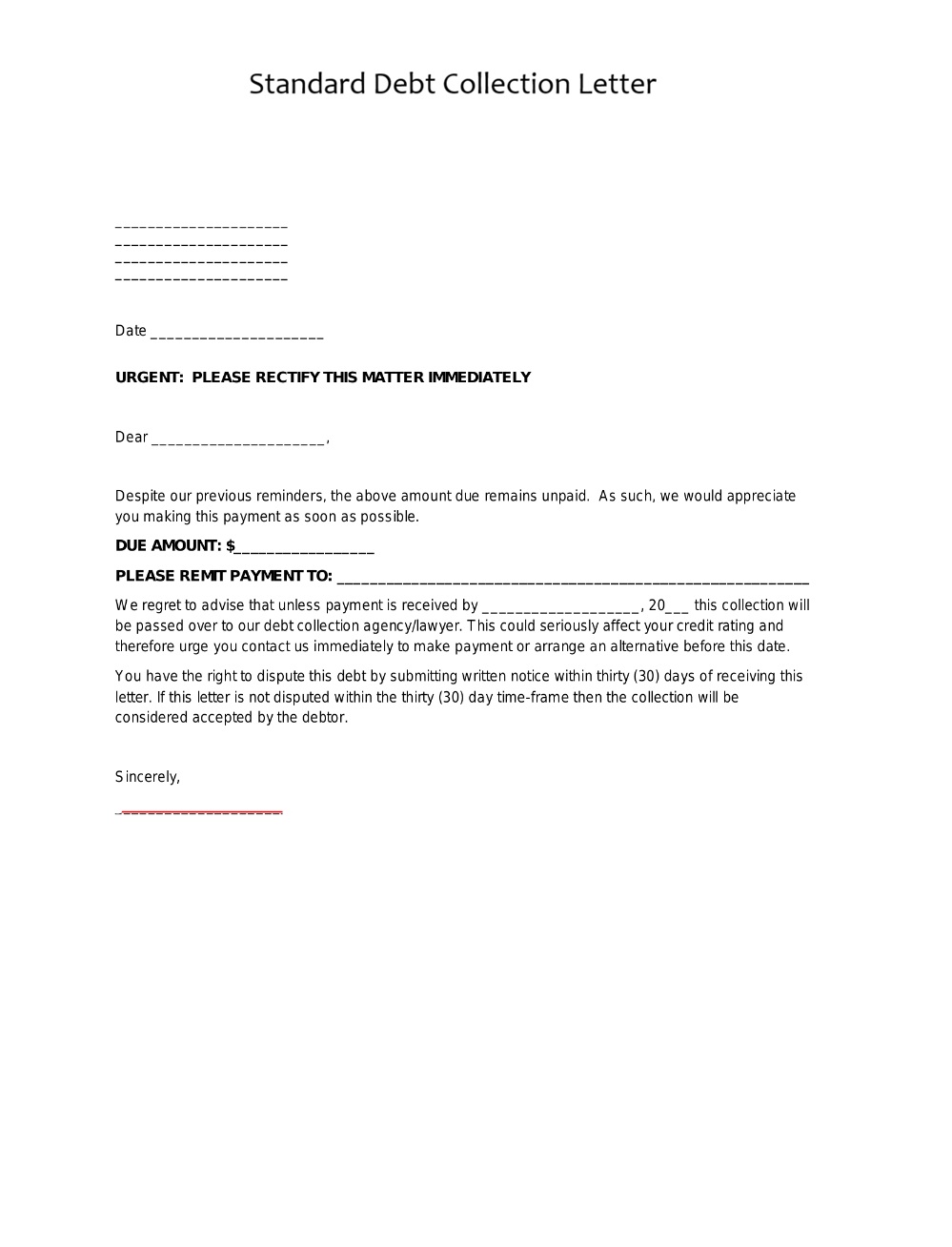
Having a consistent, legally compliant, and effective template streamlines your collection process, saves time, and significantly improves your chances of successful debt recovery. This article will guide you through the critical elements of crafting and utilizing such templates, helping you navigate the complexities of debt collection with confidence.
We’ll explore what makes an effective debt collection letter, delve into legal considerations, and show you how to tailor your communications for various stages of the collection process. By the end, you’ll have a clear understanding of how to implement a robust debt collection strategy using a reliable standard debt collection letter template.
Crafting an Effective Debt Collection Letter
An effective debt collection letter serves as more than just a reminder; it’s a formal communication designed to prompt action. Its success hinges on clarity, legal compliance, and a professional tone that encourages repayment without alienating the debtor.
Every business aims to maintain healthy cash flow, and proactively addressing overdue payments is a cornerstone of financial stability. A well-constructed letter can often resolve issues before they escalate, preserving valuable business relationships where possible.
Essential Elements of a Debt Collection Letter
To maximize effectiveness, every standard debt collection letter template should include several key pieces of information. These elements ensure the debtor clearly understands the situation and knows what steps to take next. Missing crucial details can lead to delays or disputes.
- Clear Identification of Debtor and Creditor: Include full legal names, addresses, and contact information for both parties. This eliminates any confusion about who owes whom.
- Original Invoice Details: Reference the specific invoice number(s), date of issue, and the amount(s) due. This precision helps the debtor verify the debt quickly.
- Total Outstanding Balance: Clearly state the exact amount currently owed, including any late fees or interest accrued, specifying the calculation method if applicable.
- Payment Due Date: Provide a new, clear deadline for payment. Make this date realistic but firm to encourage prompt action.
- Accepted Payment Methods: Detail how the debtor can make the payment (e.g., bank transfer, online portal, check by mail) and provide necessary instructions.
- Contact Person for Questions: Offer a specific point of contact (name, phone number, email) for any inquiries or to discuss payment arrangements.
- Consequences of Non-Payment: Clearly outline the next steps if payment is not received by the specified deadline. This could include further collection efforts, reporting to credit bureaus, or legal action.
Tone and Language for Optimal Results
The language used in your standard debt collection letter template plays a critical role in its outcome. While firm, the tone should always remain professional, factual, and non-threatening, especially in initial communications. An aggressive or accusatory tone can be counterproductive.
Aim for a tone that is firm but fair. It should convey the seriousness of the situation without resorting to emotional language. Remember, the primary goal is to recover the debt, not to provoke conflict.
Important Legal Considerations
Adhering to legal requirements is paramount when sending debt collection letters. Regulations like the Fair Debt Collection Practices Act (FDCPA) in the United States, or similar consumer protection laws in other regions, govern how businesses can communicate with debtors. Failure to comply can result in significant penalties.
Always consult with legal counsel to ensure your standard debt collection letter template is fully compliant with local and national laws. Key legal aspects often include prohibitions against harassment, misrepresentation, and requirements for providing specific disclosures, such as the right to dispute the debt.
For instance, some laws require you to provide a “validation notice” within a certain timeframe, informing the consumer of their right to dispute the debt. Understanding these nuances is crucial for any legitimate debt collection effort and to avoid legal pitfalls.
Tailoring Your Standard Debt Collection Letter Template
While a standard debt collection letter template provides a solid foundation, its true power lies in its adaptability. Debt collection is rarely a one-size-fits-all process; different situations call for different approaches. Customizing your letters based on the stage of delinquency and the debtor’s history can significantly improve recovery rates.
Strategic customization ensures that your communication remains relevant and impactful, increasing the likelihood of a positive response. This tailored approach shows that you are actively managing the debt, not just sending generic messages.
Customizing for Different Debt Stages
Effective debt collection often involves a series of communications, each escalating in formality and urgency. Your standard debt collection letter template should be flexible enough to be adapted for these different stages. This phased approach allows for a gentler initial reminder before moving to more assertive demands.
For example, an initial letter for a slightly overdue payment might be a friendly reminder. Subsequent letters for significantly delinquent accounts would become much more formal, outlining potential consequences.
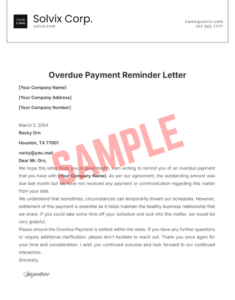
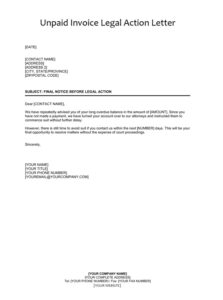
Consider creating a sequence of templates: a friendly reminder, a formal demand letter, and a final notice before escalation. Each template builds upon the last, adding more pressure and detailing more serious implications for non-payment.
When to Send Specific Types of Letters
Timing is crucial in debt collection. Sending the right type of letter at the appropriate stage of delinquency can prevent the debt from becoming uncollectible. A structured approach to when you deploy each version of your standard debt collection letter template is vital.
Typically, the process begins shortly after an invoice becomes overdue, not weeks or months later. The table below illustrates a common timeline for sending different types of debt collection letters:
| Letter Type | Timing (After Due Date) | Primary Purpose |
|---|---|---|
| Friendly Reminder Letter | 5-10 days | Gentle reminder, assumes oversight |
| Formal Demand Letter | 15-30 days | Formal notification, states outstanding balance and new deadline |
| Final Notice Letter | 30-60 days | Warning of further action, details consequences |
| Intent to Sue/Legal Action Notice | 60-90+ days | Indicates intent to pursue legal remedies |
Adhering to a consistent schedule helps debtors understand the seriousness of the situation and reinforces your commitment to collecting outstanding payments. Each letter should clearly state the next action you intend to take if payment isn’t received.
Tracking and Follow-Up Strategies
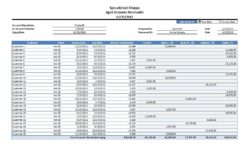
Sending a standard debt collection letter template is only the first step; effective tracking and consistent follow-up are equally important. Implement a system to log when each letter was sent, the response received (if any), and the next scheduled action. This creates an auditable trail and ensures no accounts fall through the cracks.
Consider using customer relationship management (CRM) software or a simple spreadsheet to manage these communications. Regularly reviewing your collection efforts and adjusting your strategy based on response rates can significantly enhance your overall debt recovery performance.
If initial letters fail to elicit a response, a phone call or email follow-up might be necessary. Document all communication attempts and their outcomes. This persistent, yet professional, approach is often key to successfully collecting overdue debts.
Implementing a comprehensive standard debt collection letter template system is a strategic move for any business looking to improve its accounts receivable management. By understanding the critical elements, legal requirements, and the importance of tailored communication, you can significantly enhance your chances of recovering outstanding payments efficiently and professionally.
A proactive and well-documented approach not only secures your cash flow but also demonstrates your business’s commitment to sound financial practices. Equip your business with these robust templates and strategies to navigate the challenges of debt collection with greater ease and success.