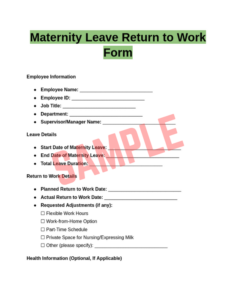
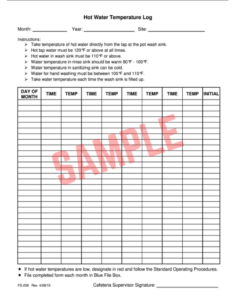
Managing a successful fish farm demands precision, consistency, and a deep understanding of your aquatic environment. Without proper oversight, even small issues can quickly escalate into significant problems, impacting fish health, productivity, and ultimately, your profits. This is why an organized system for data collection is not just helpful—it’s absolutely essential.
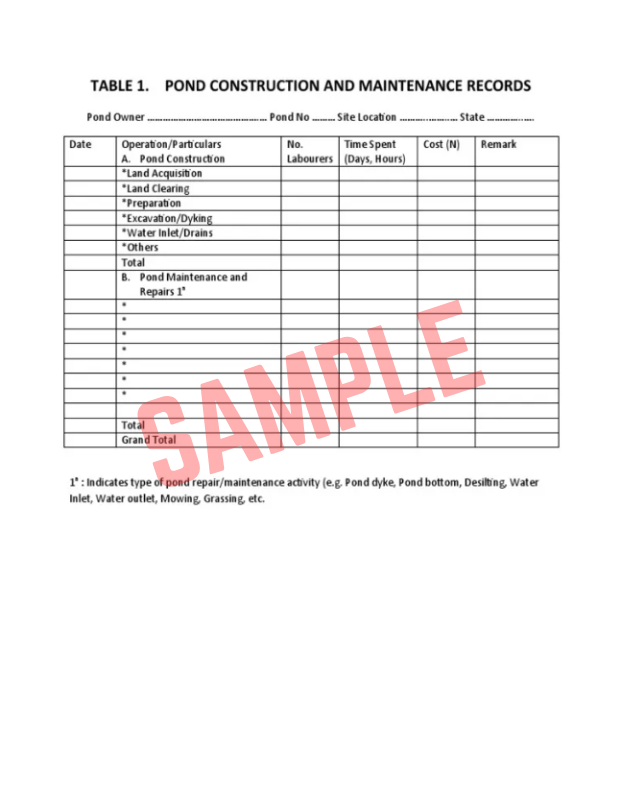
Implementing a reliable fish farm record keeping template can transform how you manage your operations, moving you from guesswork to data-driven decisions. This comprehensive guide will explore why detailed record keeping is critical for aquaculture success. We will also delve into the key elements every effective template should include, ensuring your farm thrives.
You will discover how a well-structured fish farm record keeping template helps optimize growth, prevent diseases, and ensure financial stability. Let’s explore the pathways to better farm management.
Why Effective Aquaculture Record Keeping is Essential
Accurate record keeping forms the backbone of any profitable and sustainable aquaculture venture. It provides invaluable insights into daily operations, helping farmers track progress, identify trends, and troubleshoot issues proactively. This systematic approach ensures that every aspect of the farm is monitored and optimized for peak performance.
Optimizing Fish Health and Growth
Consistent monitoring of water quality, feed intake, and fish behavior allows farmers to detect subtle changes that might indicate stress or disease. Detailed records over time create a historical database. This information helps in understanding what conditions promote the best growth rates for specific species.
Tracking growth rates for different batches of fish provides crucial data for feed conversion ratios. These insights enable adjustments to feeding schedules and diets, minimizing waste and maximizing yield. A good fish farm record keeping template includes sections for all these vital health and growth metrics.
Ensuring Financial Viability
Every input and output on a fish farm has financial implications. Comprehensive records allow you to track expenses meticulously, from feed and medication costs to labor and utility bills. This financial transparency is critical for budgeting and identifying areas where costs can be reduced without compromising quality.
On the revenue side, detailed sales records, including quantities, prices, and buyer information, are essential for accurate income tracking. This data helps in forecasting future sales and understanding market demand. Properly maintained financial records are indispensable for securing loans or attracting investors.
Meeting Regulatory Compliance
The aquaculture industry is subject to various local and international regulations concerning environmental impact, food safety, and animal welfare. Robust record keeping demonstrates your farm’s adherence to these standards. It ensures you have documented proof of responsible practices.
For instance, records of medication use, withdrawal periods, and water discharge parameters are often required by regulatory bodies. A well-organized fish farm record keeping template simplifies the audit process. It protects your business from potential fines or operational restrictions.
Key Components of a Robust Fish Farm Management Template
A truly effective fish farm record keeping template needs to cover all critical aspects of aquaculture operations. It should be comprehensive yet easy to use, providing a clear overview of your farm’s status at any given time. The best templates are designed with both daily monitoring and long-term analysis in mind.
Water Quality Monitoring Logs
Water quality is the single most important factor influencing fish health and growth. Regular testing and detailed logging of parameters are non-negotiable. This section of your template should facilitate daily or weekly entries.
Essential water quality parameters to track include:
- Temperature (°C or °F)
- Dissolved Oxygen (DO mg/L)
- pH level
- Ammonia (NH3 mg/L)
- Nitrite (NO2 mg/L)
- Nitrate (NO3 mg/L)
- Alkalinity (mg/L CaCO3)
- Hardness (mg/L CaCO3)
- Salinity (for brackish/saltwater systems)
Recording the date, time, and specific pond or tank for each reading is crucial. Any corrective actions taken based on these readings should also be noted.
Feeding and Growth Tracking
Efficient feeding directly impacts growth rates and feed conversion ratios, which are vital for profitability. This section allows you to meticulously record feed information. It helps ensure your fish receive optimal nutrition.
Details to include in your feeding log:
- Date and Time of Feeding
- Batch/Pond/Tank Identification
- Feed Type/Brand
- Amount Fed (kg or lbs)
- Number of Fish (estimated or actual)
- Fish Biomass (estimated total weight)
- Observed Feed Consumption (e.g., fast, slow, uneaten)
- Notes on Fish Behavior
Supplementing feeding logs with periodic sampling for fish weight and length helps track growth curves accurately. This provides a clear picture of how different feed regimens are performing.
Health and Disease Management
Prompt identification and treatment of diseases are critical to prevent widespread losses. A dedicated health log helps track any observed health issues and the interventions taken. This information is invaluable for future disease prevention strategies.
Key data points for disease management:
- Date of Observation
- Pond/Tank Affected
- Symptoms Observed (e.g., lethargy, lesions, abnormal swimming)
- Number of Fish Affected
- Diagnosis (if determined)
- Treatment Administered (medication, dose, duration)
- Treatment Start and End Dates
- Outcome of Treatment
- Mortality Records (date, number, suspected cause)
Thorough documentation allows for better understanding of common ailments on your farm. It informs proactive measures like vaccination schedules or preventative treatments.
Inventory and Sales Records
Managing inventory, from juvenile fish to feed and equipment, is essential for smooth operations and financial control. This section tracks all your assets and their movement.
Essential inventory and sales details:
- Stocking Records: Date, species, number of juveniles, source, initial weight/size, pond/tank assigned.
- Feed Inventory: Date, type, quantity received, quantity used, current stock.
- Equipment Maintenance: Date, item, type of maintenance, cost, next service date.
- Harvest Records: Date, species, pond/tank, total weight harvested, average fish weight, number of fish harvested.
- Sales Records: Date, buyer, species, quantity sold, price per unit, total revenue.
These records paint a clear picture of your farm’s production cycle and market performance. They are vital for planning future production and managing resources effectively.
Sample Fish Farm Record Keeping Template Layout
Creating a comprehensive and easy-to-use fish farm record keeping template is crucial for efficient operations. Below is a sample layout, broken down by key functional areas, that you can adapt for your specific needs. This template structure aims to capture all necessary data points, facilitating quick insights and informed decision-making. Each section focuses on a distinct aspect of farm management, ensuring thorough documentation.
General Farm Information Log
This section provides an overview of the farm and specific culture units. It’s essential for organizing basic operational data.
- Farm Details:
- Farm Name:
- Location:
- Contact Person:
- Date of Record:
- Pond/Tank/Raceway Identification:
- Unit ID: (e.g., Pond A1, Tank 2, Raceway 3)
- Species Cultured:
- Stocking Date:
- Initial Number of Fish:
- Initial Average Weight/Length:
Water Quality Monitoring Log
Regular water quality checks are paramount. This log helps track environmental parameters crucial for fish health. It should be updated frequently, ideally daily or several times a week, depending on your system.
| Date | Time | Unit ID | Temp (°C) | DO (mg/L) | pH | Ammonia (mg/L) | Nitrite (mg/L) | Nitrate (mg/L) | Alkalinity (mg/L) | Notes/Action Taken | Technician |
|---|---|---|---|---|---|---|---|---|---|---|---|
| [DD/MM/YYYY] | [HH:MM] | [Pond A1] | [28.5] | [6.2] | [7.8] | [0.05] | [0.1] | [5] | [120] | [Aeration on] | [John D.] |
Feed and Growth Log
Monitoring feeding patterns and subsequent growth is essential for optimizing feed conversion and predicting harvest times. This log tracks feed inputs and fish performance.
| Date | Unit ID | Species | Feed Type | Amount Fed (kg) | FCR Target | Avg. Weight (g) | Avg. Length (cm) | Biomass (kg) | Observed Appetite | Notes |
|---|---|---|---|---|---|---|---|---|---|---|
| [DD/MM/YYYY] | [Pond A1] | [Tilapia] | [Grower Pellets] | [15] | [1.2] | [250] | [22] | [3750] | [Good] | [Scheduled feeding] |
Health, Treatment, and Mortality Log
This crucial section documents any health issues, treatments administered, and fish mortalities. It provides a historical record for disease management and prevention strategies.
| Date | Unit ID | Observed Symptoms | Diagnosis | Treatment | Dosage | Duration | Mortalities | Notes |
|---|---|---|---|---|---|---|---|---|
| [DD/MM/YYYY] | [Tank 2] | [Fin rot] | [Bacterial] | [Salt Bath] | [5ppt] | [3 days] | [2] | [Improved after 1st day] |
Harvest and Sales Log
Tracking harvests and sales provides crucial financial data and helps in production planning. This log records the culmination of your farming efforts.
| Date | Unit ID | Species | Total Harvest Weight (kg) | Number Harvested | Avg. Weight (g) | Buyer | Price/kg | Total Revenue | Notes |
|---|---|---|---|---|---|---|---|---|---|
| [DD/MM/YYYY] | [Pond A1] | [Tilapia] | [3500] | [14000] | [250] | [Local Market] | [$3.50] | [$12250] | [Healthy batch] |
Implementing a detailed fish farm record keeping template like this one helps ensure that no critical data point is missed. It provides a systematic way to monitor all facets of your aquaculture business. Over time, these meticulously kept records become an invaluable asset, driving better decisions and sustained success.
Embracing a structured approach to record keeping is a game-changer for any aquaculture operation. The right fish farm record keeping template simplifies daily tasks while providing the insights needed for long-term strategic planning. By diligently maintaining these records, farmers can enhance productivity, minimize risks, and achieve greater profitability. This proactive management style is key to navigating the complexities of modern fish farming, ensuring a robust and resilient operation for years to come.