Navigating the world of rental properties, whether you are a landlord managing multiple units or a tenant striving for financial clarity, often involves a significant amount of paperwork and tracking. One of the most overlooked yet crucial tools for simplifying this process is a reliable rental payment record template. This simple document, when consistently used, acts as a fundamental pillar for clear communication and transparent financial dealings between all parties involved in a tenancy agreement.

For landlords, maintaining meticulous records of rent payments is not just good practice; it’s an essential aspect of sound business management. It helps with financial reconciliation, simplifies tax preparation, and provides an undeniable paper trail should any disputes arise. On the tenant’s side, having a clear record of every payment made offers peace of mind, proves compliance with lease terms, and can be invaluable evidence in case of discrepancies.
In an ideal rental relationship, trust and understanding are paramount, but even the best intentions can be complicated by forgotten dates or misplaced receipts. Implementing a structured system for tracking payments can proactively prevent these issues, fostering a more harmonious and professional environment for everyone. It’s about building a foundation of transparency that benefits both sides equally.
Why a Rental Payment Record is Indispensable for Both Landlords and Tenants
A well-maintained record of rental payments serves as more than just an accounting tool; it’s a testament to good faith and a safeguard against misunderstandings. For both the property owner and the renter, having a clear, accessible history of financial transactions related to the tenancy brings numerous advantages that streamline operations and protect individual interests.
For landlords, the benefits are primarily rooted in efficient property management and financial oversight. A detailed record allows for quick identification of late payments, aids in calculating earned income for tax purposes, and offers concrete proof of payment history when reviewing lease renewals or even initiating eviction proceedings (though ideally, such records help prevent these escalations). It transforms guesswork into data-driven decisions.
Furthermore, these records are invaluable during dispute resolution. Imagine a scenario where a tenant claims to have paid rent for a specific month, but the landlord’s records show otherwise. A comprehensive payment log, detailing dates, amounts, and payment methods, can swiftly resolve such disagreements, often preventing them from escalating into costly legal battles. It ensures that both parties are held accountable to an agreed-upon truth.
Essential Elements for Landlords to Track
Landlords should prioritize tracking every single financial interaction related to the tenancy. This includes rent, security deposits, pet fees, late fees, and any other charges or credits. Consistency in recording these details from the outset is key to preventing future complications and maintaining an accurate financial overview.
From the tenant’s perspective, a reliable record of payments offers a sense of security and validation. It serves as proof that all obligations under the lease agreement have been met, which can be particularly useful when moving out and seeking the return of a security deposit. A complete payment history can also contribute to building a positive rental history, a valuable asset when applying for future housing.
Beyond legal and financial protection, having a personal payment record helps tenants manage their budgets more effectively. They can easily see when payments were made, ensuring they stay on schedule and avoid incurring late fees. This proactive approach to financial management contributes to a stress-free living situation and a good relationship with their landlord.
Key Information Tenants Should Look For
Tenants should ensure they receive or maintain a record that clearly states the amount paid, the date of payment, the period it covers, and ideally, an acknowledgement from the landlord or property manager. This ensures a transparent exchange and prevents any ambiguities down the line.
Ultimately, a robust rental payment record system, whether initiated by the landlord or meticulously kept by the tenant, creates an environment of transparency and trust. It minimizes potential conflicts, fosters open communication, and ensures that the financial aspect of the landlord-tenant relationship remains clear and unambiguous for everyone involved.
Crafting Your Ideal Rental Payment Record Template
Creating an effective rental payment record template doesn’t have to be complicated. The beauty of a template lies in its adaptability; you can tailor it to fit your specific needs, whether you prefer a digital spreadsheet for easy calculations or a physical ledger for a tangible record. The most important aspect is that it is easy to use and consistently updated, making the tracking process seamless and efficient for both landlords and tenants.
When designing or choosing your template, consider what information is absolutely vital to record. A good template acts as a comprehensive logbook for all transactions related to the tenancy. It should provide enough detail to eliminate any guesswork, offering a clear snapshot of the payment status at any given moment. This level of detail helps prevent disputes before they even begin.
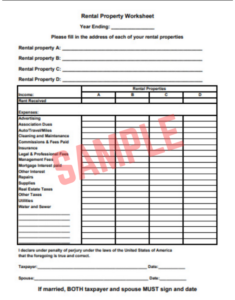
A well-structured rental payment record template should typically include the following key fields to ensure all essential information is captured accurately:
Implementing a standardized system for tracking rental payments is an investment in a smoother, more transparent rental experience for everyone involved. It simplifies administrative tasks, provides legal protection, and fosters a relationship built on clarity and mutual understanding. By consistently utilizing a well-designed template, you contribute significantly to the overall efficiency and harmony of any tenancy.
Taking the initiative to either provide or utilize a detailed payment record ensures that all financial dealings are transparent and accountable. This practice not only safeguards both parties against potential disputes but also streamlines financial management and promotes a professional atmosphere. It’s a foundational element for any successful rental agreement.