Navigating the intricacies of property management demands precision and clear communication, especially when it comes to financial matters like security deposits. For landlords, returning or withholding a security deposit is often the final interaction with a tenant, and it can easily become a point of contention if not handled correctly. A well-structured landlord security deposit letter template is an indispensable tool for ensuring transparency, legality, and professionalism throughout this process.
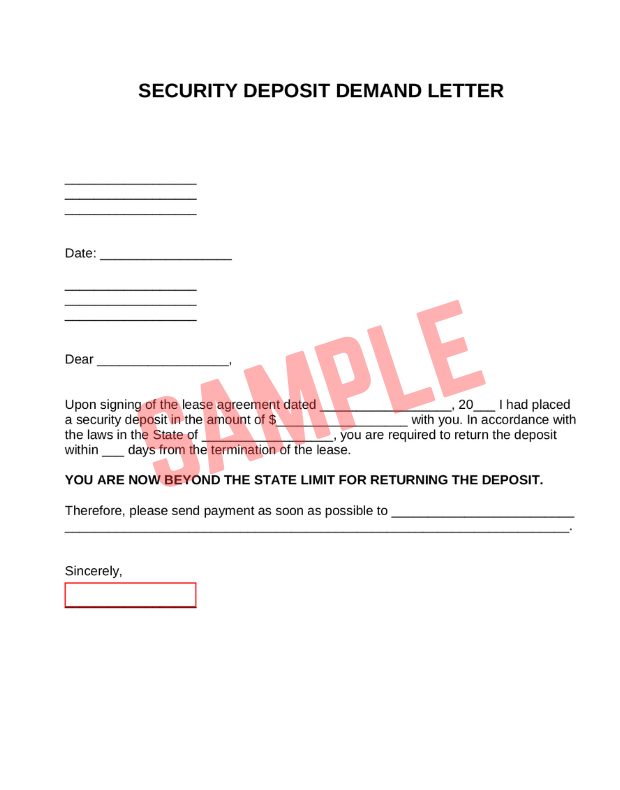
This critical document serves multiple purposes: it informs tenants about the status of their deposit, outlines any deductions, and helps maintain a positive relationship even after move-out. Without a standardized approach, landlords risk legal disputes, penalties, and damage to their reputation. Properly managing security deposits is not just good business practice; it’s a legal obligation in most jurisdictions.
This article will guide you through the essential components of a robust security deposit letter, explore legal requirements, and provide a comprehensive landlord security deposit letter template you can adapt. By understanding and implementing these best practices, you can streamline your move-out procedures and safeguard your investments, ensuring a fair and compliant resolution every time.
Navigating Security Deposit Laws and Compliance
Understanding the legal landscape surrounding security deposits is paramount for every landlord. These funds are not simply extra income; they are held in trust for the tenant, subject to strict state and local regulations. Non-compliance can lead to significant financial penalties and legal challenges.
Understanding State and Local Regulations
Security deposit laws vary dramatically from one state to another, and even between cities or counties. Key aspects often regulated include the maximum amount a landlord can charge for a deposit, where the deposit must be held (e.g., in an interest-bearing escrow account), and the specific timeframe within which it must be returned. Some states might require landlords to pay interest on the deposit, while others do not.
Furthermore, these laws dictate what constitutes a permissible deduction from a security deposit. Generally, landlords can deduct costs for unpaid rent, damages beyond normal wear and tear, and cleaning expenses if the tenant failed to leave the property in its original condition. Familiarizing yourself with your local statutes is crucial to avoid legal pitfalls and effectively utilize a landlord security deposit letter template. Staying updated on these ever-evolving regulations will ensure your practices remain compliant.
The Importance of a Detailed Move-Out Inspection
A thorough move-out inspection is your most powerful tool in justifying any security deposit deductions. This inspection should ideally be conducted with the tenant present, allowing for transparency and discussion. Documenting the property’s condition meticulously before the tenant moves in and after they move out provides irrefutable evidence.
Utilize checklists, photographs, and even video recordings to capture the state of every room, fixture, and appliance. Compare this evidence directly against the move-in inspection report. This detailed documentation is essential when communicating deductions in your security deposit letter, demonstrating a clear basis for any charges. Such diligence can prevent disputes and support your claims should a tenant challenge your return decision.
Essential Components of a Security Deposit Return Letter
Crafting a clear, comprehensive, and legally compliant security deposit letter is key to a smooth tenant transition. This document should leave no room for ambiguity and clearly outline all financial aspects of the deposit return. A solid landlord security deposit letter template will incorporate several vital sections.
Clear Identification and Communication
Every security deposit letter must begin with clear identification of all parties involved and the property in question. Include the full names of the landlord (or property management company) and the tenant(s), along with the complete address of the rental unit. Clearly state the original security deposit amount received at the beginning of the tenancy.
This section should also specify the move-out date and the date the letter is being issued. Precise dates are critical for adhering to legal deadlines for returning the deposit. Providing this foundational information ensures that the tenant immediately understands the context and purpose of the communication. It sets a professional tone for the entire letter.
Itemized Deductions and Supporting Documentation
This is arguably the most crucial section of your security deposit letter. If you are withholding any portion of the deposit, you must provide a detailed, itemized list of each deduction. Each deduction should specify the nature of the damage or cost (e.g., “repair of hole in living room wall,” “professional carpet cleaning,” “unpaid utility bill”).
Alongside each deduction, state the exact dollar amount. Many jurisdictions require landlords to include copies of receipts, invoices, or estimates for repairs or services rendered. Attaching this supporting documentation lends credibility to your claims and helps justify the costs. Transparency here significantly reduces the likelihood of tenant disputes.
Timely Return and Forwarding Address
After listing any deductions, the letter must clearly state the remaining balance of the security deposit, if any, that will be returned to the tenant. Specify the method of return, typically a check, and confirm it is enclosed with the letter. It is vital to meet the legal deadline for returning the deposit, which varies by state (often 14-45 days).
Always request a current forwarding address from the tenant before they move out. This ensures the timely and accurate delivery of the deposit check and the security deposit letter itself. If the tenant has not provided a forwarding address, mention that the letter and check will be mailed to the last known address or held until a new address is provided, following local legal requirements.
Sample Landlord Security Deposit Letter Template
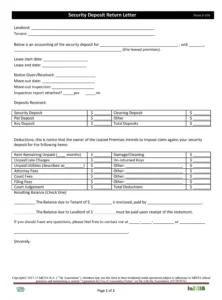
Using a standardized template like this can save time and ensure consistency in your rental operations. This comprehensive landlord security deposit letter template outlines all necessary details for returning a security deposit or itemizing deductions. Remember to adapt it to your specific state and local laws.
[Your Name/Company Name]
[Your Address]
[Your City, State, Zip Code]
[Your Phone Number]
[Your Email Address]

[Date]

[Tenant Name(s)]
[Tenant's Forwarding Address]
[Tenant's City, State, Zip Code]

Subject: Security Deposit Return for [Property Address]

Dear [Tenant Name(s)],

This letter concerns the security deposit for the property located at [Property Address, Unit Number, City, State, Zip Code], which you vacated on [Move-Out Date].

The original security deposit received for this tenancy was $[Original Deposit Amount]. According to our records and the move-out inspection, the following deductions are being made from your security deposit:

Itemized Deductions:
1.  [Description of Deduction 1, e.g., Repair of hole in living room wall] - $[Amount 1]
2.  [Description of Deduction 2, e.g., Professional carpet cleaning] - $[Amount 2]
3.  [Description of Deduction 3, e.g., Unpaid utility bill for electric] - $[Amount 3]
[Add more items as necessary]
------------------------------------
Total Deductions: $[Total Deductions Amount]

Please find enclosed copies of receipts/invoices/estimates supporting these deductions.

Based on the original security deposit of $[Original Deposit Amount] and total deductions of $[Total Deductions Amount], the remaining balance of your security deposit is $[Remaining Balance Amount].

A check for the remaining balance of $[Remaining Balance Amount] is enclosed with this letter.

We wish you all the best in your new residence.

Sincerely,

[Your Name/Company Name]
[Your Title]
This landlord security deposit letter template serves as a robust framework. Always double-check specific jurisdictional requirements regarding the format, content, and attachments required for such a letter. For instance, some areas may require specific legal language or forms to be included.
Implementing a consistent process using a reliable landlord security deposit letter template is not just about compliance; it’s about fostering trust and maintaining professional relationships in your rental business. It minimizes misunderstandings and provides a clear record for both parties. By adhering to legal guidelines and maintaining transparent communication, you can confidently manage security deposit returns and focus on other aspects of property management. This proactive approach protects your investment and ensures a smoother experience for everyone involved.