Facing unexpected medical bills can be overwhelming, quickly turning a health crisis into a financial one. When healthcare costs pile up, finding a way to manage them becomes a top priority for many individuals and families. Thankfully, there are options available for those struggling to pay their medical debt.
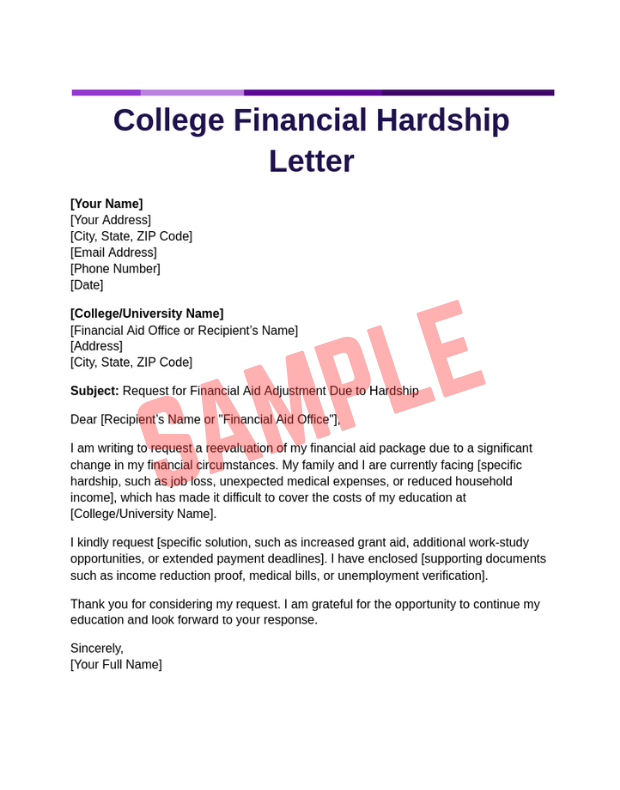
One powerful tool in navigating these challenging times is a well-crafted medical financial hardship letter. This document can be your advocate, explaining your situation to healthcare providers or collection agencies. Understanding how to write and use a medical financial hardship letter template effectively is crucial for seeking relief.
This comprehensive guide will walk you through the importance of these letters, what essential information to include, and provide a practical medical financial hardship letter template to help you get started. We aim to empower you with the knowledge to pursue financial assistance confidently.
Understanding Medical Financial Hardship: Why a Letter Matters
Medical debt is a pervasive issue, impacting millions across the country. A sudden illness, an accident, or ongoing treatment can quickly lead to bills that far exceed what insurance covers or what an individual can reasonably afford. This financial strain can be incredibly stressful, affecting every aspect of life.
Many hospitals and healthcare systems have programs designed to help patients who demonstrate a genuine inability to pay their bills. These programs are often referred to as financial assistance, charity care, or discounted care policies. However, accessing these programs usually requires a formal request, and that’s where a hardship letter comes in.
The Impact of Unexpected Medical Bills
The burden of medical debt can feel suffocating. It can lead to damaged credit scores, constant calls from collection agencies, and immense emotional distress. The sheer volume of paperwork and the complex billing codes can also be incredibly confusing, making it hard to know where to even begin.
Without intervention, unpaid medical bills can escalate, potentially leading to lawsuits or wage garnishments. Studies indicate that medical debt is a leading cause of bankruptcy for many families. This makes proactive communication with your healthcare provider or their billing department absolutely essential.
How Financial Hardship Letters Provide a Solution
A medical financial hardship letter serves as a formal plea for help, detailing your current financial situation and requesting consideration for reduced payments, a flexible payment plan, or even partial or full debt forgiveness. It presents your case in a structured and professional manner.
These letters demonstrate your willingness to communicate and your genuine difficulty in meeting your obligations. They provide the necessary context for the billing department to assess your eligibility for various financial assistance programs. A well-prepared letter can make a significant difference in the outcome of your request.
Crafting an Effective Medical Financial Hardship Letter
Writing a letter that accurately conveys your situation and persuades the recipient to offer assistance requires careful thought and planning. It’s more than just stating you can’t pay; it’s about presenting a clear, empathetic, and factual account of your circumstances.
The goal is to be transparent about your financial struggles without sounding demanding or uncooperative. Focus on being concise, polite, and providing all necessary documentation to support your claims. This approach increases your chances of a favorable response.
Key Information to Include
Every effective medical financial hardship letter needs to contain specific pieces of information to be successful. Missing vital details can delay the process or lead to your request being denied. Gather all relevant documents before you start writing.
- Your full name and contact information.
- The patient’s name (if different from the sender).
- Account number(s) or invoice number(s) related to the medical debt.
- Date(s) of service for the medical treatment.
- A clear, concise explanation of your financial hardship.
- Specific request (e.g., payment plan, reduction, forgiveness).
- List of supporting documents enclosed.
- Your signature and the date.
Supporting Documentation to Attach
Your claims of financial hardship are much stronger when backed by verifiable proof. Simply stating you have low income is not enough; you need to demonstrate it with official documents. These attachments are critical for the billing department’s review.
Common documents to include might be:
- Recent pay stubs or income statements.
- Bank statements showing limited funds.
- Proof of unemployment benefits or disability income.
- Recent tax returns.
- Documentation of other significant expenses (e.g., mortgage statements, rent agreements, utility bills).
- Proof of other debts (e.g., credit card statements, loan agreements).
- A detailed list of your monthly income and expenses.
Essential Components of a Medical Financial Hardship Letter Template
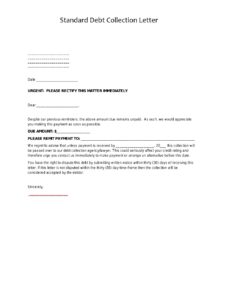
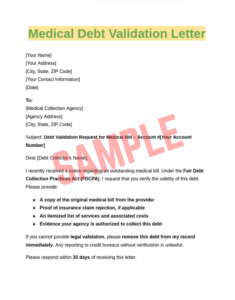
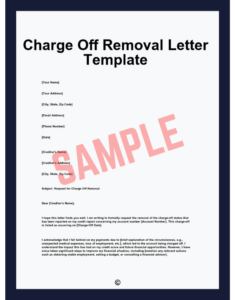
Here is a detailed medical financial hardship letter template designed to guide you. Remember to customize every aspect to fit your unique situation and the specific medical bills you are addressing. A personalized letter is always more impactful than a generic one.
This template covers all the crucial sections, from your personal details to your specific request and the necessary closing. Take your time filling it out, ensuring accuracy and clarity throughout. Using this structure will help you organize your thoughts effectively.
[Your Name]
[Your Address]
[Your City, State, Zip Code]
[Your Phone Number]
[Your Email Address]

[Date]

[Hospital/Clinic/Collection Agency Name]
[Billing Department or Financial Assistance Office]
[Address of Hospital/Clinic/Collection Agency]
[City, State, Zip Code]

Subject: Request for Financial Assistance / Hardship Due to Medical Bills - Account Number(s): [Your Account Number(s)] - Medical Financial Hardship Letter Template

Dear [Mr./Ms./Mx. Last Name of Contact Person, or "Financial Assistance Office" if no specific contact],

I am writing to respectfully request financial assistance regarding outstanding medical bills under account number(s) [Your Account Number(s)]. These charges are related to services received on [Date(s) of Service], for [Patient's Name, if different from sender, e.g., "my treatment" or "my child's treatment for asthma"].

Unfortunately, due to unforeseen circumstances, I am currently experiencing severe financial hardship that prevents me from paying these medical bills in full or according to the original payment terms. [Briefly and clearly explain your hardship here. Examples: "I recently lost my job due to [reason], and my unemployment benefits are insufficient to cover basic living expenses in addition to these medical costs." or "My family has incurred significant unexpected expenses related to [another medical issue/major car repair/housing crisis], depleting our savings and leaving us with limited disposable income." or "My income has been drastically reduced due to [reason], making it impossible to meet these obligations."]

My current financial situation is as follows:
- Monthly Gross Income: $[Amount]
- Monthly Net Income: $[Amount]
- Monthly Essential Expenses (Rent/Mortgage, Food, Utilities, Other Medical Needs): $[Amount]

As you can see, my expenses significantly outweigh my income, leaving no funds available to address these medical charges. I am committed to resolving this debt responsibly, but I genuinely require assistance to do so.

I am kindly requesting consideration for one of the following:
1.  A significant reduction in the total amount owed.
2.  An extended interest-free payment plan that aligns with my current financial capacity (e.g., $[Proposed Monthly Payment] for [Number] months).
3.  Full or partial forgiveness of the outstanding balance under your financial assistance or charity care policy.

I have enclosed supporting documentation to verify my financial situation, including [list specific documents, e.g., "my last three pay stubs," "recent bank statements," "my 2023 tax return," "proof of unemployment benefits," "a detailed list of monthly expenses"]. I am prepared to provide any additional information or documentation you may require to evaluate my request.

I hope you will consider my circumstances with understanding and compassion. Thank you for your time and attention to this urgent matter. I look forward to your prompt response and am eager to work with you to find a viable solution.

Sincerely,

[Your Signature]

[Your Typed Name]
Remember to replace all bracketed information `[ ]` with your specific details. Be honest and factual in your explanation of hardship. This comprehensive medical financial hardship letter template is a starting point, giving you a solid framework.
When you’ve completed your letter, review it carefully for any errors in spelling or grammar. A professional and error-free letter reflects positively on your seriousness in resolving the issue. Ensure all supporting documents are clearly labeled and easy to understand.
Submitting Your Financial Assistance Request
Once your letter and supporting documents are ready, the next step is to submit them appropriately. How you send your letter can be just as important as what’s inside it. Always confirm the best method of submission with the billing department.
Most healthcare providers prefer specific channels for financial assistance requests. This could be an online portal, a dedicated email address, or traditional mail. Following their preferred method ensures your letter reaches the right people promptly.
Tips for Timely and Effective Submission
To maximize the chances of a positive outcome, follow these tips when submitting your letter. Proactive and organized submission can prevent delays and demonstrate your commitment to resolving your medical debt.
- **Identify the Correct Department:** Always send your letter to the financial assistance office or billing department, not a general address. Call the provider to confirm the specific contact person or department.
- **Send by Certified Mail:** If mailing, send your letter and documents via certified mail with a return receipt requested. This provides proof that your letter was received and when.
- **Keep Copies:** Make sure to keep a complete copy of your submitted medical financial hardship letter template and all supporting documents for your records. This includes any email confirmations or tracking numbers.
- **Follow Up:** If you don’t hear back within a reasonable timeframe (e.g., 2-4 weeks), follow up with a polite phone call. Refer to the date you sent your letter and mention the certified mail receipt number.
- **Be Prepared for Negotiation:** The initial offer of assistance might not be exactly what you requested. Be ready to discuss and negotiate further if needed, always remaining polite and cooperative.
What to Do After Submitting Your Letter
After sending your medical financial hardship letter, the waiting game begins. It’s crucial not to simply forget about the situation. Stay organized and be prepared for potential next steps or further communication requests.
Maintain a record of all communications, including dates, names of people you spoke with, and summaries of conversations. This log will be invaluable if there are any discrepancies or if you need to escalate your case. Remember, advocating for yourself is a continuous process.
Navigating the complexities of medical debt requires diligence and a clear strategy. Utilizing a comprehensive medical financial hardship letter template, like the one provided, can significantly streamline your efforts. It offers a structured way to present your case, increasing your likelihood of receiving the financial assistance you need during challenging times.
By taking the initiative to formally explain your financial circumstances and request help, you are empowering yourself to take control of your medical bills. Don’t hesitate to reach out to patient advocates or legal aid services if you feel overwhelmed or need additional support in this process. Your financial well-being is important, and resources are available to help you secure it.