Managing rental properties can be a highly rewarding venture, but it comes with a significant administrative burden. From tracking income and expenses to managing tenant information and maintenance logs, the sheer volume of data can feel overwhelming. Without an organized system, landlords often struggle during tax season or when facing unexpected legal issues. This is where a robust rental property record keeping template becomes an invaluable asset, transforming chaos into clarity and ensuring you stay on top of your investments. Throughout this article, you will discover the crucial elements of effective record keeping and how a well-designed template can simplify your property management tasks.
Many landlords, especially those new to the game, underestimate the importance of meticulous record keeping until it’s too late. The reality is that accurate records are not just helpful; they are essential for financial accuracy, legal compliance, and informed decision-making. Failing to maintain proper documentation can lead to missed deductions, audit headaches, and even potential disputes with tenants or contractors.
Having a dedicated rental property record keeping template provides a structured approach to what can otherwise be a daunting task. It ensures consistency, saves countless hours, and offers a clear snapshot of your property’s financial health. By understanding the core components and benefits, you can implement a system that supports your long-term success as a property investor.
The Essential Components of Effective Rental Property Records
Effective record keeping for rental properties involves more than just jotting down numbers; it requires a systematic approach to categorize and store all relevant data. A comprehensive system helps landlords maintain a clear financial picture and navigate legal requirements with ease. Understanding what to track is the first step toward implementing a successful record keeping strategy.
Income Tracking for Landlords
Monitoring all incoming funds is fundamental to understanding your property’s profitability. This includes not only rent payments but also any other charges collected from tenants. A good system should clearly log dates, amounts, and sources of income.
Detailed income records are crucial for accurate tax reporting and for assessing the cash flow of each property. You should track items like monthly rent, security deposits received, application fees, late fees, and any other tenant charges. Missing even small income streams can distort your financial overview and lead to discrepancies.
Managing Rental Expenses
Tracking expenses is just as important as tracking income, as it directly impacts your net profit and potential tax deductions. Every dollar spent on your rental property should be recorded, categorized, and supported by receipts. This includes both operating costs and capital expenditures.
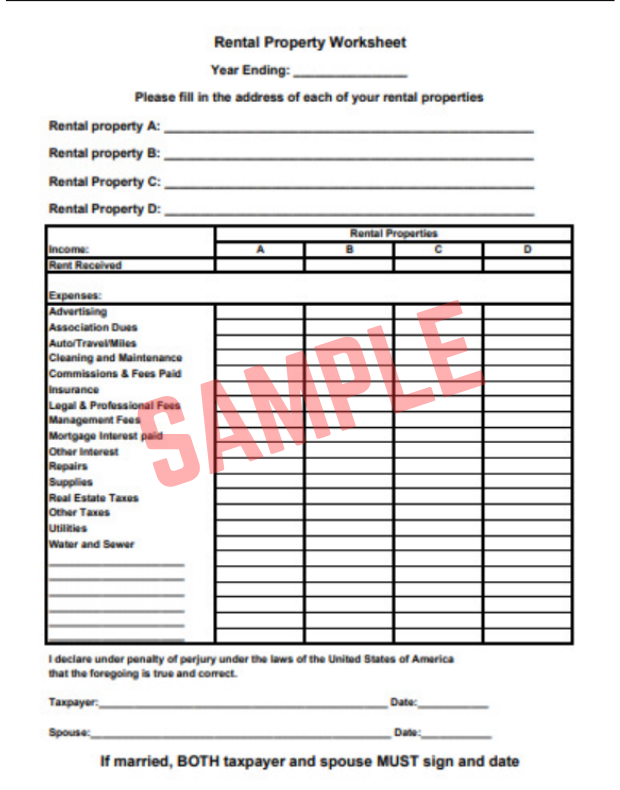
Common rental expenses include mortgage interest, property taxes, insurance premiums, utilities (if paid by the landlord), repairs and maintenance, advertising costs, property management fees, and legal expenses. Categorizing these effectively within a rental property record keeping template allows for easy analysis and simplifies tax preparation, often leading to significant savings.
Tenant and Lease Information
Beyond financials, a crucial part of rental property management involves keeping detailed records about your tenants and their leases. This information is vital for communication, legal compliance, and managing the tenancy lifecycle. Accuracy here can prevent many future problems.
Your tenant information records should include contact details, lease start and end dates, security deposit amounts, move-in checklists, and any correspondence. Furthermore, a log of maintenance requests and their resolution dates provides a valuable history for each unit. Having this data readily accessible ensures you can quickly address any tenant-related issues.
How a Rental Property Record Keeping Template Simplifies Your Management Tasks
Implementing a dedicated rental property record keeping template can significantly streamline your property management responsibilities. These tools are designed to standardize data entry, reduce errors, and provide immediate access to critical information, ultimately saving you time and stress. The benefits extend far beyond simple organization, touching every aspect of property ownership.
Streamlining Tax Preparation
One of the most significant advantages of using a structured template is the ease it brings to tax season. Tax laws for rental properties can be complex, with numerous deductions and reporting requirements. Disorganized records often lead to frantic searches for receipts and missed opportunities for legitimate write-offs.
With a well-maintained rental property record keeping template, all your income and expenses are pre-categorized and readily available. This dramatically cuts down on the time and effort required to complete your tax returns, potentially saving you money by ensuring you claim every eligible deduction. Many landlords find this benefit alone makes the investment in a good system worthwhile.
Enhancing Financial Clarity and Decision-Making
A clear, organized record-keeping system provides invaluable insights into the financial performance of your properties. When you can easily view income versus expenses, track profitability, and identify trends, you are empowered to make smarter business decisions. This clarity is essential for sustainable growth.
By using a consistent rental property record keeping template, you can quickly identify which properties are performing well and which might need adjustments. Perhaps one property consistently has higher maintenance costs, indicating a need for capital improvements, or maybe you notice a seasonal dip in rent collection that requires a proactive strategy. These insights are only possible with organized data.
Legal Compliance and Dispute Resolution
Maintaining meticulous records is not just good practice; it’s often a legal necessity. Rental property laws vary by jurisdiction, but nearly all require landlords to keep certain documentation. Having complete records protects you in the event of tenant disputes, audits, or legal challenges.
Comprehensive records, including lease agreements, communication logs, maintenance requests, and financial transactions, serve as concrete evidence if a disagreement arises. For instance, a detailed move-in/move-out checklist within your rental property record keeping template can prove the condition of the property, preventing arguments over security deposit deductions. This proactive approach can save significant legal fees and stress.
Sample Rental Property Record Keeping Template Layout
A well-designed rental property record keeping template should be intuitive and comprehensive, covering all essential aspects of property management. While specific fields may vary, a standard layout often includes sections for financial transactions, tenant details, and property maintenance. Below is an example of what a robust template might include, presented in a clear, organized format.
A practical rental property record keeping template often begins with general property information, followed by dedicated sections for different types of data. This structure helps keep everything compartmentalized yet easily accessible.
Property Information Section
- Property Address: Full address of the rental unit.
- Property ID/Unit Number: Unique identifier for the property or unit.
- Purchase Date: Date the property was acquired.
- Purchase Price: Original cost of the property.
- Mortgage Lender: Name of the mortgage provider.
- Loan Number: Account number for the mortgage.
Income Log Section
This part of the rental property record keeping template is critical for tracking all money coming into your business. Each entry should be specific and easily verifiable.
- Date Received: When the payment was processed.
- Tenant Name: Who made the payment.
- Description: (e.g., “Monthly Rent,” “Late Fee,” “Application Fee,” “Security Deposit”).
- Amount: The exact dollar amount received.
- Payment Method: (e.g., “Bank Transfer,” “Check,” “Cash,” “Online Payment”).
- Memo/Notes: Any additional details, such as “June 2023 Rent.”
Expense Log Section
Just as important as income, the expense log within your rental property record keeping template details all outgoing funds, which are vital for tax deductions and financial analysis.
- Date Paid: When the expense occurred.
- Vendor/Payee: Who received the payment (e.g., “Plumber Pro,” “Local Hardware Store,” “IRS”).
- Description: What the expense was for (e.g., “Broken Faucet Repair,” “Property Taxes,” “New Smoke Detector”).
- Category: (e.g., “Repairs & Maintenance,” “Utilities,” “Property Tax,” “Insurance,” “Legal Fees,” “Advertising”).
- Amount: The exact dollar amount spent.
- Payment Method: (e.g., “Credit Card,” “Bank Account,” “Cash”).
- Receipt Attached (Y/N): A simple indicator to ensure you have proof of purchase.
Tenant Information Section
Maintaining comprehensive tenant records is crucial for communication and legal purposes.
- Tenant Name(s): Full names of all tenants.
- Contact Information: Phone number, email address.
- Lease Start Date: When the tenancy officially began.
- Lease End Date: When the current lease concludes.
- Monthly Rent Amount: The agreed-upon rent.
- Security Deposit Held: Amount of security deposit collected.
- Move-in Condition Report: Reference to a detailed report documenting the property’s condition at move-in.
Maintenance and Repair Log Section
This log helps track the history of repairs and improvements for each property.
- Date Requested: When the issue was reported by the tenant.
- Date Completed: When the repair was finished.
- Description of Issue: What needed to be fixed (e.g., “Leaky Bathroom Faucet,” “HVAC Not Cooling”).
- Vendor/Contractor: Who performed the work.
- Cost: The expense associated with the repair.
- Notes: Any specific details about the repair or follow-up.
Implementing a well-structured rental property record keeping template is foundational to successful property management. It alleviates much of the administrative burden, transforming what can be a chaotic process into an organized, efficient system. By adopting such a template, you gain clearer financial insights, ensure compliance with legal obligations, and ultimately protect your investments.
Taking the time to set up and consistently use a robust rental property record keeping template will pay dividends in the long run. It simplifies tax season, makes informed financial decisions easier, and provides peace of mind knowing all your critical property information is neatly organized and readily accessible. This strategic approach to record keeping allows you to focus more on growing your portfolio and less on administrative headaches.