Starting a new client relationship in tax season brings both excitement and a crucial need for clarity. Many tax professionals overlook one of the most vital foundational steps: establishing a clear, written agreement with their clients. Without a proper understanding of mutual responsibilities and expectations, even the simplest tax preparation can lead to misunderstandings or disputes. That’s why having a robust tax return engagement letter template is not just good practice, it’s essential for your business and client satisfaction.
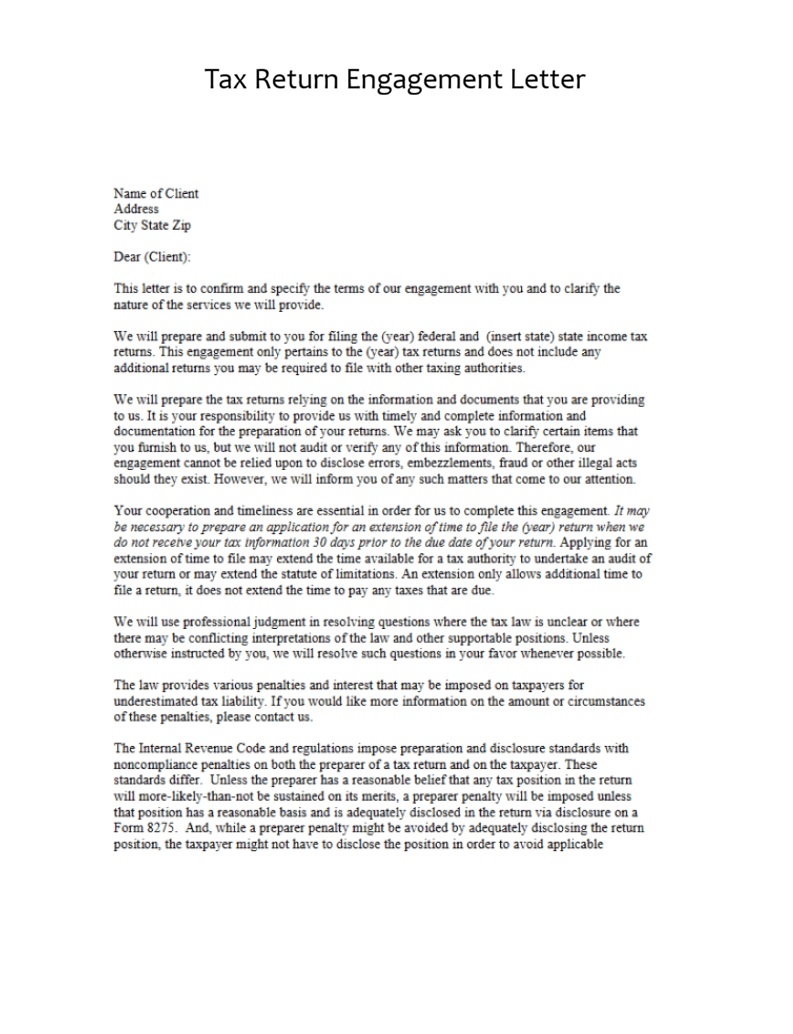
This comprehensive guide will walk you through the importance of using an engagement letter for all your tax services. We will explore how these documents protect both parties, define the scope of work, and outline fees effectively. You’ll learn exactly what components to include in your own professional template to ensure every client interaction is built on transparency and trust. By the end, you’ll be equipped to create or refine a solid tax preparation agreement that sets your practice up for success.
Understanding the Importance of an Engagement Letter for Tax Services
An engagement letter serves as the cornerstone of any professional tax service relationship. It acts as a legally binding contract, outlining the precise terms and conditions under which a tax preparer will provide services to a client. This crucial document helps prevent ambiguity, reduces potential liabilities, and ensures both parties are on the same page from the outset. Neglecting to use a detailed tax engagement letter can expose practitioners to unnecessary risks and client dissatisfaction.
Historically, informal agreements might have sufficed for some small practices, but the increasing complexity of tax laws and professional standards demands greater formality. A well-crafted letter provides a clear record of what was agreed upon, protecting both the service provider and the client. It’s an investment in professionalism and a safeguard against future misunderstandings, making a reliable tax return engagement letter template an indispensable tool.
Defining Scope of Work and Responsibilities
One of the primary functions of a tax engagement letter is to meticulously define the scope of work. It explicitly states which tax forms will be prepared, for which tax year, and any other specific services included in the agreement. This clarity helps manage client expectations, preventing situations where clients assume additional services are part of the initial fee. It also clearly delineates what services are not included, such as audit representation or financial planning, unless explicitly added.
Furthermore, the letter outlines the responsibilities of both the tax professional and the client. For instance, it will specify that the client is responsible for providing accurate and complete financial information in a timely manner. The tax professional’s responsibility typically involves preparing the return based on the information provided, adhering to tax laws, and exercising due professional care. Clear division of duties minimizes finger-pointing if issues arise later.
- Clarifies specific tax forms and schedules to be prepared (e.g., Form 1040, Schedule C, Form 1120).
- States the tax period covered by the engagement.
- Outlines any additional services beyond standard preparation, such as e-filing or state tax returns.
- Details the client’s obligation to provide accurate, complete, and timely financial records.
- Specifies the professional’s commitment to prepare returns in compliance with relevant tax laws.
- Explicitly excludes services not covered, such as legal advice or investment recommendations.
Mitigating Risks and Preventing Disputes
The legal and professional protection offered by an engagement letter cannot be overstated. By clearly documenting the terms of service, it significantly reduces the likelihood of fee disputes, scope creep, and professional liability claims. When expectations are explicitly set in writing, there is less room for miscommunication regarding fees, deadlines, or the extent of the services provided. This written record can be invaluable if a client raises concerns or complaints.
For example, a signed agreement can protect a preparer from claims of negligence if a client fails to provide necessary documentation, resulting in errors or penalties. It sets the professional boundaries, ensuring that clients understand what they are paying for and what they can expect. This proactive risk management tool is vital for any tax practice aiming for long-term stability and client satisfaction.
Key Components of an Effective Tax Return Engagement Letter Template
Crafting an effective tax return engagement letter involves more than just plugging in names and dates. It requires careful consideration of various essential components that protect both parties and ensure a smooth client relationship. A well-designed tax return engagement letter template should be comprehensive, easy to understand, and legally sound. It should anticipate potential questions or issues and address them upfront, leaving no room for ambiguity.
From detailing the scope of work to clarifying payment terms, each section plays a critical role in establishing a transparent and professional understanding. Adopting a structured approach to your engagement letters will streamline your client onboarding process and provide a consistent level of professionalism. Let’s delve into the specific elements that make an engagement letter truly effective.
Essential Information and Service Details
Every engagement letter must begin with the fundamental identifying information for both the client and the tax professional. This includes full legal names, addresses, and contact details. It’s crucial to specify the exact tax year(s) for which services will be rendered, as tax laws and client situations can change annually. The specific type of tax return to be prepared (e.g., individual, corporate, partnership) should also be clearly stated.
Beyond identification, the letter must clearly outline the services to be provided. This often includes preparation and electronic filing of federal and state income tax returns. Any ancillary services, such as estimated tax payment calculations, extensions, or consultation on specific tax matters, should also be explicitly mentioned or excluded. This transparency helps manage client expectations from the very start.
| Component | Description |
|---|---|
| Client and Firm Identification | Full legal names, addresses, and contact information for all parties. |
| Tax Year(s) Covered | Specific tax period(s) for which services will be performed. |
| Scope of Services | Detailed list of tax preparation services, including federal/state returns and forms. |
| Client Responsibilities | Expectations for client data provision, accuracy, and timeliness. |
| Professional Standards | Statement of adherence to IRS Circular 230 and relevant professional standards. |
| E-filing Authorization | Consent for electronic filing of returns. |
Fee Structure, Payment Terms, and Disclosures
One of the most sensitive but critical sections of an engagement letter is the fee structure. This part must clearly state how fees will be calculated (e.g., fixed fee per return type, hourly rate for consultations, or a combination). It should also outline the total estimated cost, if applicable, or how additional services will be billed. Transparency around pricing prevents sticker shock and potential disputes down the line.
Equally important are the payment terms. Specify the payment schedule, such as an upfront retainer, payment upon completion, or installment options. Include details regarding acceptable payment methods and any penalties for late payments. Furthermore, a robust engagement letter should contain important disclosures and disclaimers. These might include statements about the limits of the engagement (e.g., not providing audit services unless separately engaged), the reliance on client-provided information, and the client’s ultimate responsibility for the accuracy of their tax return.
Navigating the complexities of tax season is a shared responsibility between tax professionals and their clients. By utilizing a comprehensive tax return engagement letter template, you lay a clear foundation for a successful working relationship. These documents are more than just formalities; they are indispensable tools for clarity, protection, and professional practice management. Embracing the use of detailed engagement letters ensures that both parties understand their roles and responsibilities, leading to greater satisfaction and fewer disputes.
Investing time in customizing a robust engagement letter protects your practice from legal risks and enhances client trust through transparency. It’s the professional standard for any tax service provider committed to delivering excellent service while safeguarding their business. Make it a cornerstone of your practice to foster strong, reliable client relationships year after year.