Embarking on the journey of gender affirmation, particularly considering top surgery, is a significant and often life-changing step. Many individuals navigate this path with excitement and anticipation, but also with administrative hurdles. One crucial step in this process is obtaining a referral letter from a qualified mental health professional. This letter is a key requirement for most surgeons and insurance providers, acting as an essential document in your care.
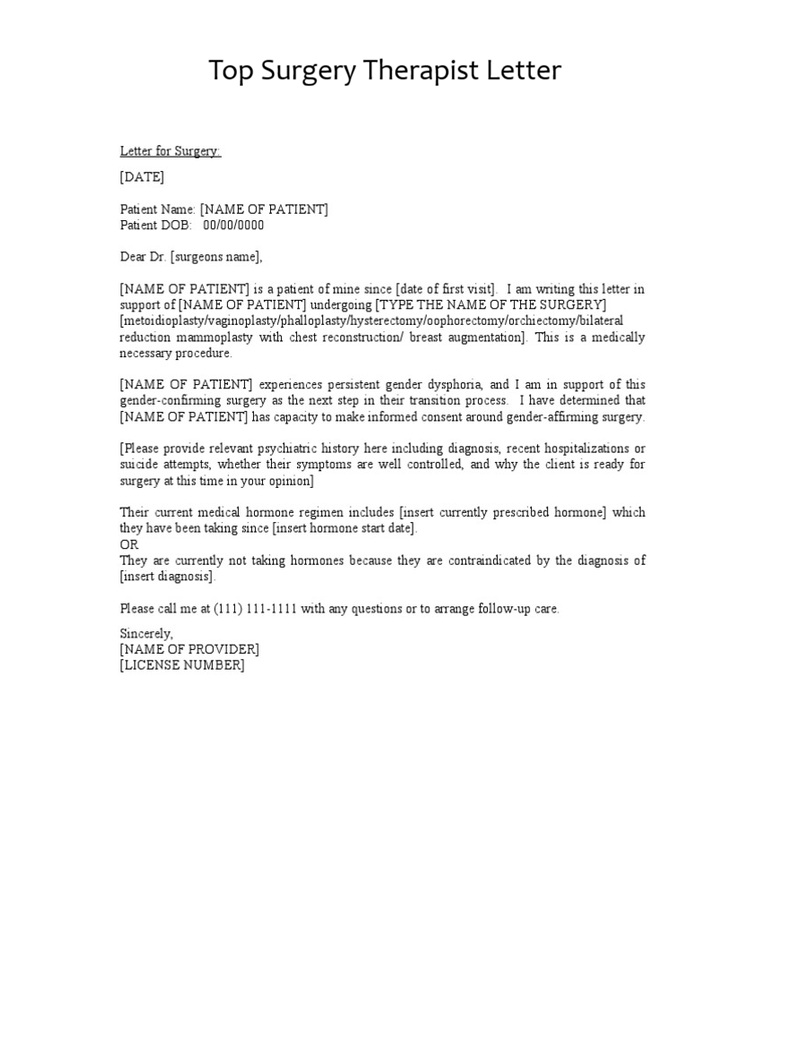
Understanding what makes an effective referral letter can significantly ease the process. It’s not just a formality; it’s a comprehensive assessment that supports your medical transition. This article will guide you through the intricacies of these letters, explore why a well-structured top surgery therapist letter template is invaluable, and provide insights into crafting one that clearly communicates your readiness and needs.
We will delve into the specific requirements set by medical guidelines, discuss the essential elements your letter should contain, and offer practical advice for collaborating with your therapist to ensure your document is robust and supportive. Preparing with the right information can empower you and your healthcare team to move forward confidently.
Understanding the Requirements for a Gender-Affirming Surgery Letter
Securing a gender-affirming surgery often involves specific documentation to ensure patient readiness and align with medical standards. A letter from a mental health professional is almost universally required. This isn’t meant to gatekeep care, but rather to ensure a comprehensive understanding of a patient’s journey and to support their long-term well-being post-surgery.
Many medical professionals and insurance companies adhere to the World Professional Association for Transgender Health (WPATH) Standards of Care. These guidelines provide a framework for ethical and effective care for transgender and gender diverse individuals, including criteria for surgical interventions. Understanding these standards is key to preparing your documentation.
Why a Therapist’s Letter is Essential
The therapist’s letter serves multiple critical functions in the top surgery process. Firstly, it provides a professional assessment of your gender identity and your readiness for such a significant medical procedure. This assessment confirms that you have thoughtfully considered the implications of surgery.
Secondly, the letter acts as an official endorsement, informing your surgeon and insurance provider that a mental health professional supports your decision. This helps to validate your needs within the medical system. It also ensures that any underlying mental health conditions, if present, have been addressed or are stable, contributing to a smoother recovery and overall positive outcome.
Key Components of an Effective Letter
A compelling referral letter is clear, concise, and comprehensive. It typically includes the therapist’s credentials, the patient’s chosen name and pronouns, and a clear statement of support for the gender-affirming surgery. The letter should detail the duration and nature of the therapeutic relationship, demonstrating a sustained period of support and assessment.
Furthermore, it should confirm that the patient meets the criteria for gender dysphoria, as outlined by diagnostic manuals, and that any other significant mental health concerns have been adequately managed. A good top surgery therapist letter template often highlights the patient’s understanding of the surgery’s irreversible nature and their post-operative care plans. It paints a holistic picture of the individual’s journey and preparedness.
WPATH Standards of Care Explained
The WPATH Standards of Care provide globally recognized guidelines for the health of trans and gender diverse people. For top surgery, they generally recommend one letter from a qualified mental health professional. This professional must have clinical competence in assessing gender dysphoria.
Key WPATH criteria often referenced in these letters include:
- Persistent, well-documented gender dysphoria.
- Capacity to make a fully informed decision and to consent for treatment.
- Age of majority (or demonstration of sufficient maturity and support for minors).
- Any significant medical or mental health concerns are well-controlled.
Meeting these standards helps ensure that surgical interventions are part of a broader, well-considered care plan. Therapists often use these guidelines as a checklist when preparing their referral. Many institutions require that the therapist sending the letter is not related to the patient.
Crafting Your Own Top Surgery Therapist Letter Template
While a therapist writes the official letter, understanding the structure and content beforehand can be incredibly empowering. Having a strong top surgery therapist letter template in mind can help you communicate effectively with your therapist about what needs to be included. This collaborative approach ensures all necessary points are covered.
Preparing for this letter involves open and honest discussions with your mental health provider. Think of it as a joint project aimed at advocating for your health and well-being. A well-prepared template ensures consistency and thoroughness, which can expedite the approval process for your surgery.
Essential Information to Include
When developing a template for your top surgery referral letter, certain pieces of information are non-negotiable. These elements ensure the letter is credible and meets the requirements of surgical teams and insurance providers. Missing even one crucial detail can delay your care.
Consider these vital inclusions:
- Therapist’s Full Name and Credentials: Their professional license number and contact information.
- Date of Letter: Ensuring the letter is current.
- Patient’s Full Legal Name and Chosen Name/Pronouns: Important for accurate identification and respect.
- Patient’s Date of Birth: Another key identifier.
- Statement of Assessment: Clearly stating the patient meets the diagnostic criteria for gender dysphoria.
- Duration of Therapeutic Relationship: How long the therapist has worked with the patient.
- Psychosocial History: Relevant background information supporting the patient’s gender journey.
- Understanding of Surgery: Confirmation that the patient understands the risks, benefits, and irreversible nature of top surgery.
- Support for Surgery: A direct recommendation for the specific gender-affirming surgery.
- Patient’s Post-Operative Plan: A brief mention of support systems and aftercare considerations.
Tips for Working with Your Therapist
Working effectively with your therapist is crucial for securing a robust referral letter. Start by openly discussing your desire for top surgery and the need for a letter early in your therapeutic relationship. This allows your therapist ample time to assess your readiness and gather necessary information.
Be prepared to share details about your gender identity journey, your experiences with dysphoria, and your expectations for surgery. Ask your therapist if they have experience writing these types of letters and if they use a specific top surgery therapist letter template. Together, you can review the requirements from your chosen surgeon or insurance company to ensure nothing is missed.
Reviewing and Submitting Your Letter
Once your therapist has drafted the letter, it’s beneficial to review it together. Check for accuracy in all details, ensure all required components are present, and confirm that the language is supportive and clear. This review process helps catch any potential errors before submission.
After finalizing, the therapist will typically send the letter directly to the surgeon’s office or insurance company. Always confirm with your surgical coordinator how they prefer to receive the document. A proactive approach to this final step can prevent unnecessary delays in scheduling your much-anticipated surgery.
| Common Pitfalls to Avoid | Impact on Approval Process |
|---|---|
| Missing Therapist Credentials | Letter deemed invalid, immediate rejection. |
| Generic or Vague Language | Raises doubts about thorough assessment, may require resubmission. |
| Not Addressing WPATH Criteria | Non-compliance with medical standards, likely rejection. |
| Incomplete Patient Information | Delays due to inability to identify the patient correctly. |
| Letter Lacks Specific Recommendation | Ambiguity about therapist’s support for the surgery. |
Navigating the path to top surgery requires careful preparation and advocacy. Obtaining a well-crafted therapist letter is a cornerstone of this journey, validating your needs and ensuring you meet necessary medical criteria. By understanding the essential components and collaborating effectively with your mental health provider, you can produce a document that smoothly facilitates your access to gender-affirming care.
Remember, this letter is a powerful tool in your hands, reflecting not just a medical diagnosis, but your personal journey and readiness for transformation. Investing time in preparing this document correctly is an investment in your future well-being and affirmation.