Receiving an insurance claim denial can be a frustrating and confusing experience. It often feels like a dead end, leaving you uncertain about your next steps and how to challenge the decision. Fortunately, a denial is rarely the final word, and with the right approach, you can appeal the decision and potentially overturn it. This guide will walk you through understanding denials, crafting an effective appeal, and provide a comprehensive insurance claim denial letter template to help you advocate for yourself.
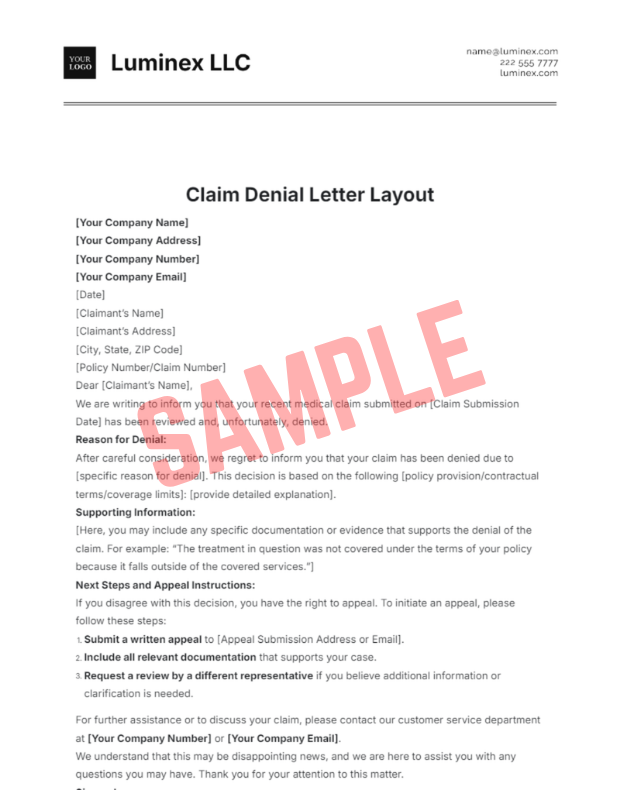
Navigating the complexities of insurance policies and appeal processes can be daunting. Many individuals give up after the initial denial, missing out on benefits they are rightfully owed. By understanding the common reasons for denial and knowing how to construct a strong argument, you significantly increase your chances of a successful appeal. This article aims to empower you with the knowledge and tools, including a crucial insurance claim denial letter template, to challenge your insurer’s decision effectively.
We will explore the key components of a successful appeal, from gathering necessary documentation to clearly articulating your case. Whether your claim relates to health, auto, or home insurance, the principles of a strong appeal remain consistent. By the end of this article, you will be equipped to write a compelling appeal letter using our easy-to-follow insurance claim denial letter template.
Understanding Insurance Claim Denials
An insurance claim denial means your insurer has decided not to pay for a service, treatment, or damage that you believe is covered by your policy. This decision can be based on various factors, often outlined in the denial letter you receive. Understanding these reasons is the first critical step in preparing your appeal.
Common Reasons for Denials
Insurance companies deny claims for a multitude of reasons, some of which are easily remedied, while others require more detailed argumentation. Knowing the specific reason for your denial is essential for crafting a targeted response.
Here are some frequent causes of claim denials:
- Lack of Medical Necessity: The insurer may deem a medical procedure, treatment, or medication not medically necessary for your condition, even if your doctor prescribed it.
- Pre-authorization Issues: Some services require prior approval from your insurance company. If this wasn’t obtained, or was denied, your claim might be rejected.
- Policy Exclusions: Your policy might specifically exclude coverage for certain conditions, services, or types of damage. It’s vital to review your policy document thoroughly.
- Coding Errors: Mistakes in medical billing codes or incomplete information submitted by your healthcare provider can lead to a denial.
- Missing or Insufficient Information: The insurance company might claim they didn’t receive all the necessary documents or that the information provided was inadequate to make a decision.
- Late Filing: Most policies have deadlines for submitting claims. If your claim is filed past this period, it could be denied.
Each of these reasons requires a different approach in your appeal. For example, a “lack of medical necessity” denial often requires a letter from your doctor supporting the treatment’s necessity, whereas a “coding error” might only need resubmission with correct codes.
The Importance of a Timely Response
Time is often of the essence when dealing with insurance claim denials. Most insurance policies and state regulations impose strict deadlines for filing appeals. Missing these deadlines can jeopardize your ability to challenge the denial, making it crucial to act promptly.
Upon receiving a denial letter, carefully note the date and the specific timeframe you have to submit an appeal. Typically, you might have 60 to 180 days, but this varies widely depending on your policy type and state laws. Starting your appeal process quickly allows ample time to gather supporting documents and draft a comprehensive appeal letter, such as the one you’ll craft with an insurance claim denial letter template.
Crafting an Effective Appeal Letter
An appeal letter is your formal request to your insurance company to reconsider their denial. It should be clear, concise, and persuasive, providing all relevant information to support your case. A well-structured letter, often based on an insurance claim denial letter template, greatly enhances your chances of success.
Key Elements of a Strong Appeal
Every effective appeal letter shares common essential components that ensure your message is heard and understood by the insurer. These elements help to organize your arguments and provide a complete picture of your situation.
Make sure your appeal letter includes the following:
- Your Identification Information: Your full name, policy number, group number, and contact information.
- Claim Identification: The specific claim number, the date of service or incident, and the amount denied.
- Clear Statement of Intent: Explicitly state that you are appealing the denial of your claim.
- Reason for Denial: Reference the reason provided in the denial letter.
- Your Argument: Clearly explain why you believe the claim should be covered, referencing your policy, medical necessity, or factual errors in the denial.
- Supporting Documentation List: Enumerate all the documents you are attaching to support your appeal.
- Desired Outcome: State what you want the insurance company to do (e.g., approve the claim, reconsider the denial).
- Professional Closing: A polite closing with your signature.
Remember to maintain a respectful and factual tone throughout your letter. Emotional language, while understandable, can detract from the strength of your argument.
Gathering Supporting Documentation
The strength of your appeal often lies in the evidence you provide. Supporting documentation offers concrete proof that your claim is valid and should be covered. This step is critical in any successful appeal process.
Depending on the nature of your claim, supporting documents might include:
- Copies of the Original Claim and Denial Letter: Always keep a copy of everything you send and receive.
- Medical Records: Doctor’s notes, test results, hospital discharge summaries, or prescriptions that justify the medical necessity of the service.
- Letters from Healthcare Providers: A letter from your doctor explaining why the treatment was necessary and why it fits policy criteria.
- Relevant Policy Language: Highlight specific clauses in your insurance policy that you believe support your claim for coverage.
- Bills and Receipts: Proof of payment or incurred costs.
- Expert Opinions: In some complex cases, a letter from an independent medical expert can bolster your argument.
- Photographs or Videos: For property or auto claims, visual evidence of damage can be invaluable.
- Police Reports: If applicable to auto or home claims.
Organize your documents clearly, making sure to reference them in your appeal letter. Sending copies, not originals, is always recommended, and keep a complete set for your records. This diligence will significantly strengthen your appeal, especially when following an **insurance claim denial letter template**.
Sample Insurance Claim Denial Letter Template
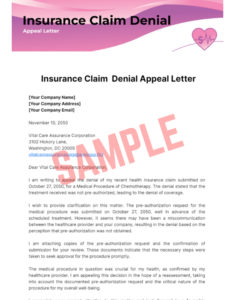
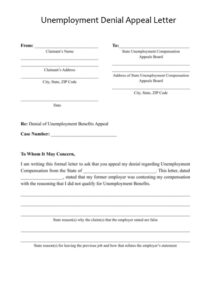
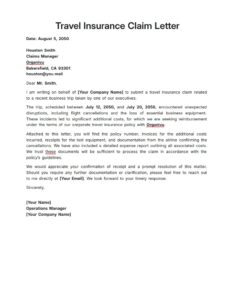
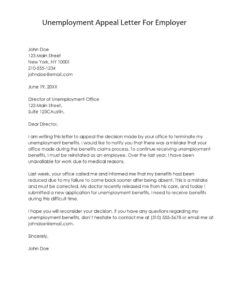
Using a structured insurance claim denial letter template can simplify the process of drafting your appeal. It ensures you include all necessary information and present it in a professional, organized manner. Below is a comprehensive template you can adapt for your specific situation. Remember to replace the bracketed information with your personal details.
[Your Name]
[Your Address]
[Your City, State, ZIP Code]
[Your Phone Number]
[Your Email Address]

[Date]

[Insurance Company Name]
[Appeals Department Address]
[Insurance Company City, State, ZIP Code]

**Subject: Appeal for Denied Claim – Policy Number: [Your Policy Number] – Claim Number: [Your Claim Number]**

Dear Appeals Department,

I am writing to formally appeal the denial of my claim for [Type of Service/Incident, e.g., "medical treatment," "auto repair," "property damage"] related to [Date of Service/Incident, e.g., "my visit on January 15, 2024," "the accident on February 1, 2024"]. My claim number is [Your Claim Number], and my policy number is [Your Policy Number].

I received your denial letter dated [Date of Denial Letter], which stated the reason for denial as "[Reason for Denial stated in your letter, e.g., 'lack of medical necessity,' 'policy exclusion for X,' 'insufficient information']." I respectfully disagree with this decision and request a full review of my claim.

I believe my claim should be covered under my policy for the following reasons:
[Clearly state your arguments in separate paragraphs or bullet points. Be specific and reference supporting documents.]
*   [For medical claims: "The treatment, [Treatment Name], was medically necessary as diagnosed by Dr. [Doctor's Name] for [Your Condition]. Please see the attached letter from Dr. [Doctor's Name] and relevant medical records (Exhibit A, B)."]
*   [For auto/home claims: "The damage to [Item Damaged] was a direct result of [Cause of Damage, e.g., 'the collision,' 'the storm on [Date]'], which is covered under my policy's [Specific Policy Section, e.g., 'comprehensive coverage']. Please refer to the attached repair estimate and photographs (Exhibit C, D)."]
*   [For any claim: "The denial cites '[Reason for Denial],' however, my policy, specifically Section [Policy Section Number], clearly states coverage for [Type of Service/Incident]. A copy of the relevant policy section is attached (Exhibit E)."]
*   [If due to clerical error: "It appears there may have been a coding error in the initial submission. My provider has since resubmitted the corrected claim with [Corrected Code/Information]."]

I have attached the following documents to support my appeal:
- Copy of the original claim submission
- Copy of the denial letter dated [Date of Denial Letter]
- [Exhibit A]: Letter from Dr. [Doctor’s Name]
- [Exhibit B]: Relevant medical records/test results
- [Exhibit C]: Repair estimates/invoices
- [Exhibit D]: Photographs/videos of damage
- [Exhibit E]: Relevant sections of my insurance policy
- [Any other supporting documentation]
I kindly request that you review my appeal and the enclosed documentation carefully and reconsider your previous decision. I am available to provide any additional information you may require.

Thank you for your time and consideration of this matter. I look forward to your prompt response.

Sincerely,

[Your Signature]

[Your Typed Name]
This insurance claim denial letter template serves as a strong foundation. Remember to tailor the reasons for your appeal and the list of attached documents specifically to your situation. Always keep a copy of the sent letter and all attachments for your records. Sending your appeal via certified mail with a return receipt requested is also a good practice, as it provides proof of delivery.
Navigating an insurance claim denial can be a challenging process, but it doesn’t have to be overwhelming. By understanding the reasons for denial, diligently gathering your evidence, and using a structured insurance claim denial letter template, you significantly increase your chances of a successful appeal. Remember, your policy is a contract, and you have the right to challenge decisions you believe are incorrect.
Don’t hesitate to take the necessary steps to advocate for your coverage. If you find the process too complex or your appeal is denied again, consider seeking assistance from your state’s Department of Insurance or a qualified legal professional who specializes in insurance law. Taking proactive steps can lead to the resolution you deserve.