Navigating the complexities of mental health care can be challenging, both for patients seeking support and for clinicians aiming to connect them with appropriate services. Timely and accurate referrals are a cornerstone of effective treatment, ensuring individuals receive the specialized care they need without unnecessary delays. In this critical process, a well-structured mental health referral letter template becomes an invaluable tool. It streamlines communication, standardizes essential information, and ultimately enhances patient outcomes.
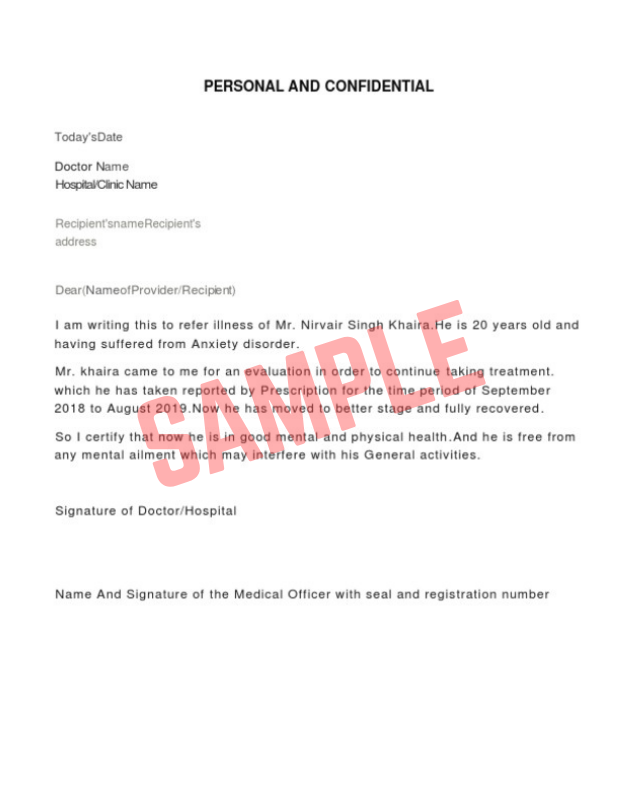
This comprehensive guide will explore the pivotal role of referral letters in mental health, detail the crucial components that constitute a robust referral, and provide a practical mental health referral letter template that you can adapt for various clinical scenarios. Understanding and utilizing such a template can significantly improve the efficiency and quality of patient transfers between care providers. By the end, you’ll have a clear understanding of how to craft professional and impactful referral letters, empowering better inter-professional collaboration.
The Crucial Role of Effective Mental Health Referrals
Effective mental health referrals bridge the gap between initial assessment and specialized treatment. They are vital for ensuring continuity of care, preventing delays, and providing receiving practitioners with the comprehensive background necessary to begin treatment promptly. A clear referral document, often guided by a structured mental health referral letter template, ensures all necessary information is conveyed.
Why Clear Communication Matters in Patient Care
Clear and concise communication is paramount in healthcare, especially when coordinating mental health services. Ambiguous or incomplete referrals can lead to misdiagnoses, delayed interventions, or even a breakdown in the patient’s treatment journey. When clinicians share detailed, relevant information, they pave the way for more targeted and effective care. This also builds trust among healthcare professionals.
Studies indicate that communication breakdowns are a leading cause of medical errors. For mental health patients, delays caused by poor referral communication can exacerbate conditions or lead to disengagement from the treatment process. A consistent approach, like using a standardized template, ensures all critical points are covered every time.
Benefits of a Standardized Referral Process
Adopting a standardized referral process, ideally with a consistent mental health referral letter template, offers numerous benefits. It brings consistency to how patient information is presented, reducing the likelihood of critical details being overlooked. This consistency fosters professionalism and predictability in inter-professional communication.
A standardized format minimizes administrative burden and reduces the time spent crafting each letter from scratch. Furthermore, it helps ensure compliance with legal and ethical guidelines regarding patient data sharing. Ultimately, a streamlined and professional referral process leads to improved patient satisfaction and better overall health outcomes.
Key Components of a Comprehensive Referral Letter
Crafting an effective referral letter requires a thoughtful approach to ensure all vital information is included while maintaining a professional and empathetic tone. Every piece of information serves a purpose, guiding the receiving clinician in their assessment and treatment planning. Understanding these elements is crucial whether you’re creating a new document or adapting an existing mental health referral letter template.
Essential Information to Include for Optimal Care
A comprehensive mental health referral letter should contain specific details to facilitate optimal patient care. This typically begins with the patient’s full name, date of birth, contact information, and any relevant identification numbers. The referring clinician’s details, including their name, title, contact information, and practice address, are equally important for follow-up.
Next, clearly state the reason for the referral, including presenting concerns, specific symptoms, and their duration and intensity. Provide a summary of the patient’s relevant medical history, previous mental health diagnoses, and any prior treatments, including medications and their efficacy. Mentioning current medications, allergies, and significant psychosocial stressors offers a holistic view. Finally, articulate the specific goals of the referral (e.g., diagnostic assessment, medication management, specific therapy), along with any perceived urgency.
Crafting a Professional and Empathetic Tone
While a referral letter is a clinical document, its tone can significantly impact how the information is received. It’s important to maintain a professional, objective, and respectful voice throughout. Avoid overly emotional language, but convey empathy for the patient’s experience. Using clear, concise language helps avoid misinterpretation and ensures the key message is understood immediately.
Refrain from using excessive jargon without explanation, especially if the receiving practitioner might be from a different specialty. The goal is to inform and collaborate, not to impress or confuse. A professional yet compassionate tone reflects well on the referring clinician and sets a positive foundation for the patient’s continued care.
Sample Mental Health Referral Letter Template
This section offers a practical example of a mental health referral letter template designed for common scenarios. You can use this structure as a foundation, customizing the details to fit your specific patient and their needs. Remember to always obtain informed consent from the patient before sharing their protected health information.
[Your Clinic/Practice Letterhead]

[Date]

[Referring Clinician's Name]
[Referring Clinician's Title]
[Referring Clinician's Clinic/Practice Name]
[Referring Clinician's Clinic/Practice Address]
[Referring Clinician's Phone Number]
[Referring Clinician's Email Address]

[Receiving Clinician's Name]
[Receiving Clinician's Title]
[Receiving Clinician's Clinic/Practice Name]
[Receiving Clinician's Clinic/Practice Address]
[Receiving Clinician's Phone Number]
[Receiving Clinician's Email Address]

**Subject: Referral for [Patient's Full Name], DOB: [Patient's Date of Birth]**

Dear Dr./Mr./Ms. [Receiving Clinician's Last Name],

I am writing to refer [Patient's Full Name], a [Patient's Age]-year-old [gender] with concerns regarding [brief primary concern, e.g., escalating anxiety symptoms/persistent low mood/recent traumatic event]. I have been providing care to [Patient's Last Name] since [Date/Period of Care].

**Presenting Concerns:**
[Patient's Last Name] reports [specific symptoms, e.g., daily panic attacks, inability to concentrate, significant sleep disturbance, intrusive thoughts]. These symptoms began approximately [duration, e.g., three months ago] and have significantly impacted [areas of life, e.g., their work performance and social relationships]. [Patient's Last Name] describes their mood as [e.g., consistently low/highly irritable] and reports [e.g., loss of interest in hobbies, increased isolation].

**Relevant History:**
*   **Mental Health History:** [e.g., Diagnosed with GAD in 20XX, previous therapy with Dr. X (dates/outcomes), no prior psychiatric hospitalizations].
*   **Medical History:** [e.g., Hypertension well-controlled, no history of head injury, no significant chronic illnesses].
*   **Medications:** [List current medications, dosage, frequency, and adherence. e.g., Fluoxetine 20mg daily (started 2 months ago, limited improvement), no known allergies].
*   **Substance Use:** [e.g., Occasional alcohol use, no illicit drug use reported].
*   **Psychosocial Factors:** [e.g., Living with partner, employed full-time as a teacher, recent job loss, strained family relationships, strong social support from friends].

**Reason for Referral:**
I am referring [Patient's Last Name] for [e.g., a comprehensive psychiatric evaluation and medication management/specialized CBT for panic disorder/trauma-informed therapy]. Given the persistence and severity of their symptoms, I believe specialized intervention would be highly beneficial. I am particularly interested in [e.g., differential diagnosis, exploration of alternative pharmacotherapy options, specific therapeutic modality].

Please find attached [e.g., recent lab results, previous assessment reports, patient consent form].

Thank you for considering this referral. I look forward to your assessment and collaborating on [Patient's Last Name]'s care. Please do not hesitate to contact me if you require any further information.

Sincerely,

[Your Signature]

[Your Typed Name]
[Your Title]
This practical mental health referral letter template provides a structured way to convey essential patient information clearly and professionally. Using it can significantly improve the efficiency and clarity of your referrals.
Customizing and Utilizing Your Referral Template
A one-size-fits-all approach rarely works perfectly in healthcare, and mental health referrals are no exception. While a general mental health referral letter template provides a solid foundation, tailoring it to specific situations and integrating it seamlessly into your practice are crucial for optimal effectiveness. This thoughtful customization ensures that each referral is relevant and highly informative.
Adapting the Template for Different Clinical Scenarios
The flexibility of a robust mental health referral letter template allows for adjustments based on the type of referral and the patient’s unique needs. For instance, a referral to a psychiatrist for medication management will require more detail on psychiatric history and current medications than a referral to a psychologist for talk therapy, which might emphasize presenting symptoms and therapeutic goals. Similarly, a crisis referral might need an “URGENT” flag and immediate contact instructions for the receiving clinic.
Consider modifying sections for child and adolescent referrals to include developmental history, school performance, and family dynamics. For complex cases, you might add a section for risk assessment, including any history of self-harm or suicidal ideation. Always prioritize the information most relevant to the receiving clinician’s specialty and the specific reason for the referral.
Tips for Seamless Integration into Your Practice
Effectively integrating a mental health referral letter template into your daily workflow can significantly boost efficiency and improve the quality of patient care. Start by saving the template in an easily accessible location, such as your electronic health record (EHR) system or a shared drive. This ensures that all clinicians in your practice can access and utilize the same standardized document.
Regularly review and update your template to reflect current best practices, new diagnostic criteria, or changes in referral pathways. Provide training to your administrative and clinical staff on how to properly complete and submit these letters, emphasizing the importance of accuracy and patient confidentiality. Obtaining explicit patient consent for sharing information is always a non-negotiable step before dispatching any referral letter. This dedication to using a reliable mental health referral letter template supports both clinical excellence and ethical practice.
The journey through mental health care often begins with a critical step: the referral. A well-crafted referral letter not only facilitates access to specialized services but also ensures that patients receive continuous, informed, and appropriate care. By leveraging a high-quality mental health referral letter template, clinicians can significantly enhance the clarity, professionalism, and effectiveness of their communication.
Adopting a structured approach to mental health referrals is more than just a convenience; it’s a commitment to superior patient care and seamless collaboration within the healthcare community. Take the initiative to implement or refine your referral process using the insights and template provided. Your patients, and your colleagues, will undoubtedly benefit from this improved standard of practice.