Managing patient accounts and ensuring timely payments are vital for the financial health of any medical practice. Unpaid medical bills can quickly accumulate, impacting cash flow and administrative efficiency. A well-crafted medical office collection letter template can be an invaluable tool to address overdue balances effectively and professionally. This article will guide you through creating and utilizing an efficient collection letter, ensuring your practice maintains good patient relations while securing necessary payments.  Understanding how to approach patients about outstanding debt is crucial. The goal is to encourage payment without alienating patients who may simply need a gentle reminder or clarification. We will explore the key components of an effective collection letter, offer a ready-to-use medical office collection letter template, and discuss best practices for your billing department.
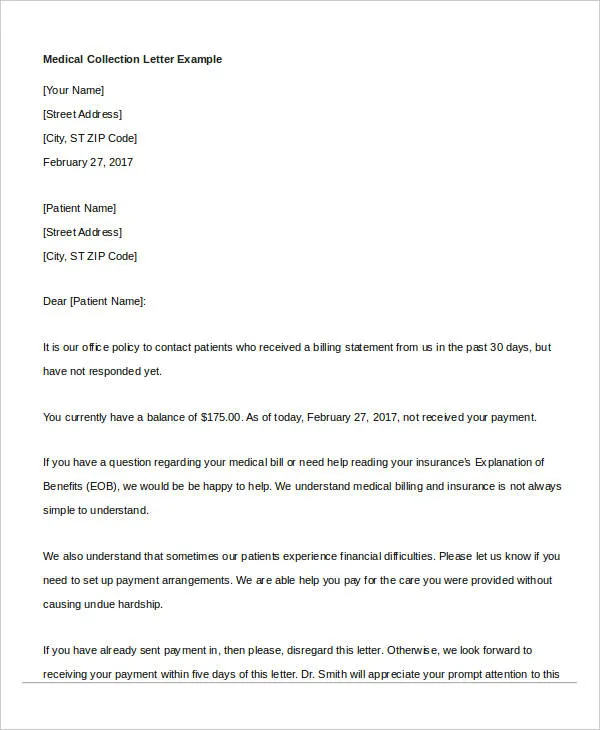
Crafting an Effective Medical Bill Collection Letter
A strong medical bill collection letter serves as a formal notice, communicating the outstanding balance and guiding the patient toward resolution. It should be clear, concise, and professional, maintaining the practice’s compassionate image while asserting financial expectations. The tone should be firm but understanding, recognizing that patients might face financial hardships or simply overlook a payment. Many practices struggle with accounts receivable due to a lack of a systematic approach to follow-up.
In fact, some studies show that medical debt is a significant issue for millions of Americans, making a clear communication strategy even more important. A standardized medical office collection letter template ensures consistency and compliance across all patient communications regarding overdue payments. This helps streamline the billing process significantly. Here are the essential components to include in any effective collection letter:
- Practice Letterhead: Your official logo and contact information.
- Date: The date the letter is sent.
- Patient Information: Full name, address, and patient account number.
- Responsible Party: Clearly state who is financially responsible if different from the patient.
- Clear Statement of Balance Due: Specify the exact amount owed.
- Date of Service: Reference the specific service date(s) for the charges.
- Original Due Date: Indicate when the payment was initially expected.
- Brief Explanation of Charges: A simple, high-level summary if possible.
- Payment Options: Detail how patients can make a payment (online portal, mail, phone).
- Call to Action: Explicitly ask for immediate payment or contact to discuss.
- Contact Information for Billing Department: Phone number and email for inquiries.
- Grace Period/Next Steps: Inform them of potential further actions if payment is not received.
- Professional Closing: A polite closing statement from the practice.
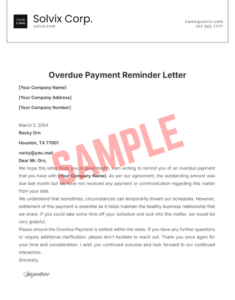
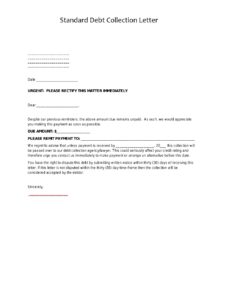
Below is a sample medical office collection letter template you can adapt for your practice. Remember to customize the bracketed information with your specific details. This template is designed to be the first or second notice after an initial statement, indicating a growing urgency.
[Your Practice Letterhead]
[Your Practice Name]
[Your Practice Address]
[Your Practice Phone Number]
[Your Practice Email Address]

[Date]

[Patient Name]
[Patient Address]
[Patient City, State, ZIP]

Subject: Important Notice Regarding Your Outstanding Account Balance - Account Number: [Patient Account Number]

Dear [Patient Name],

This letter is a follow-up regarding the outstanding balance on your account with [Your Practice Name]. Our records indicate that you have an overdue balance of $[Amount Due] for services rendered on [Date(s) of Service]. This balance was originally due on [Original Due Date].

We understand that managing healthcare expenses can sometimes be challenging. We encourage you to promptly resolve this outstanding balance. Timely payment ensures that we can continue to provide high-quality medical care to all our patients.

Please remit payment in full immediately. You can make a payment through our secure online portal at [Link to Online Payment Portal], by mailing a check or money order to the address above, or by calling our billing department at [Billing Department Phone Number] during business hours.

If you believe there is an error or have questions regarding this bill, please contact our billing department at [Billing Department Phone Number] or [Billing Department Email] within 10 days of the date of this letter. We are here to help clarify any concerns you may have.

Please be aware that continued non-payment may result in further collection efforts, which could include reporting to credit bureaus or engaging a collection agency. We prefer to avoid these measures and work directly with you to resolve this matter.

Thank you for your prompt attention to this important matter. We value your relationship with our practice.

Sincerely,

The Billing Department
[Your Practice Name]
Implementing a clear, escalating series of collection letters, starting with a gentle reminder and progressing to a more urgent request, is often the most effective strategy. This approach gives patients multiple opportunities to respond before more drastic measures are considered. Using a consistent medical office collection letter template throughout this process ensures clarity and professionalism.
A well-structured billing and collections process, supported by an effective medical office collection letter template, is indispensable for financial stability. It allows practices to maintain a healthy cash flow while preserving valuable patient relationships. By clearly communicating financial obligations and offering pathways for resolution, you empower patients to manage their responsibilities effectively.
Taking proactive steps now to refine your collection letter strategy can significantly reduce your accounts receivable and improve overall financial health. This benefits both your practice and your ability to continue providing excellent patient care.