Receiving a bounced check or a declined electronic payment can be a frustrating experience for any business or individual. It disrupts cash flow and requires immediate action to recover the owed funds. Navigating this situation professionally and effectively is crucial, and having a reliable non sufficient funds letter template can make all the difference. This article will guide you through understanding, creating, and utilizing such a template to streamline your payment recovery process and maintain clear communication.
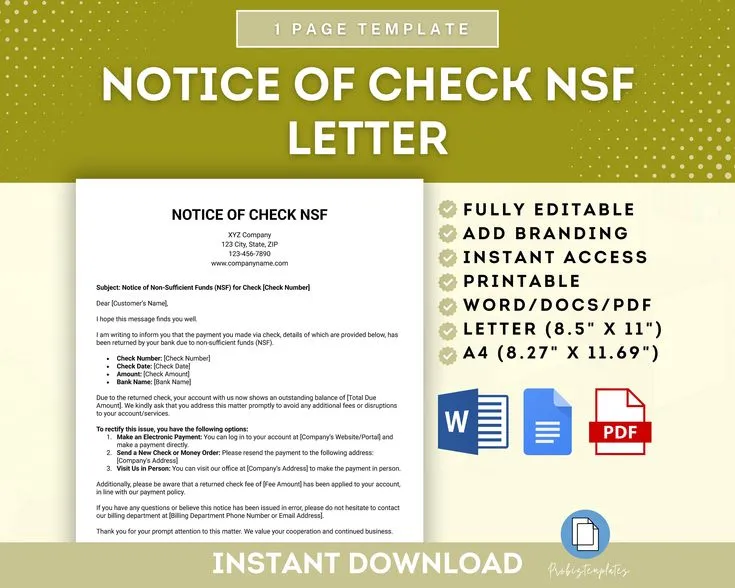
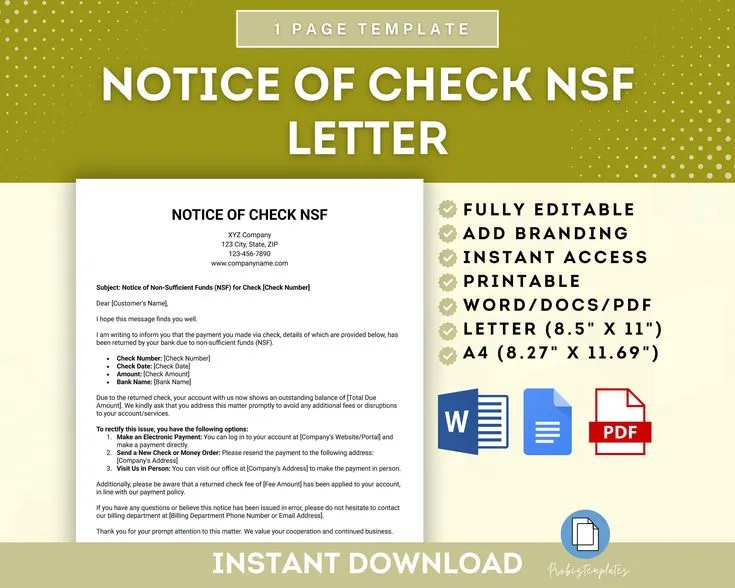
A well-crafted letter helps formally notify the payer about the insufficient funds, details the amount owed, and outlines the next steps for resolution. It ensures that both parties understand the situation, minimizes potential misunderstandings, and protects your interests. By the end of this guide, you will have a clear understanding of the essential components of an insufficient funds notice and be equipped to create your own effective communication strategy.
Understanding and Utilizing an Insufficient Funds Notification Letter
When a payment fails due to inadequate funds, sending a clear and concise insufficient funds notification letter is the professional standard. This document serves as formal communication, informing the sender of the bounced transaction and requesting prompt resolution. It helps prevent future issues by establishing clear expectations and procedures for handling such occurrences. Businesses often find a standardized non sufficient funds letter template invaluable for efficiency.
Such a letter should clearly state the original transaction details, the reason for the payment failure, and the amount now due, including any applicable fees. It also provides the payer with a direct path to resolve the issue, often suggesting alternative payment methods or a specific deadline. Maintaining a professional tone throughout the communication is vital, even in potentially stressful financial situations.
Here are the key elements to include in an effective non-sufficient funds letter:
- Your Contact Information: Business name, address, phone number, and email.
- Payer’s Contact Information: Name and address of the individual or entity who issued the payment.
- Date: The date the letter is being sent.
- Original Payment Details: The check number (if applicable), date of the original payment, and the exact amount.
- Reason for Bounced Payment: Clearly state “Non-Sufficient Funds” or “Insufficient Funds.”
- Amount Due: The original payment amount plus any fees incurred by your institution or charges for the bounced payment.
- Action Required: Instructions on how the payer can submit a new payment.
- Payment Deadline: A reasonable date by which the new payment should be received.
- Consequences of Non-Payment: Briefly mention any further steps, such as additional fees or legal action, if the issue remains unresolved.
- Professional Closing: A polite closing with your signature.
Using a consistent format, like a robust non sufficient funds letter template, ensures that no critical information is missed and that all communications are compliant and professional. This proactive approach helps in recovering funds efficiently while upholding positive business relationships where possible.
Sample Non-Sufficient Funds Letter Template
Below is a foundational sample of a non sufficient funds letter template. You can adapt this structure to fit your specific organizational needs and state regulations. Remember to replace bracketed information with your own details.
[Your Company Letterhead]
[Your Company Name]
[Your Company Address]
[Your City, State, Zip Code]
[Your Phone Number]
[Your Email Address]
[Date]
[Payer’s Name]
[Payer’s Address]
[Payer’s City, State, Zip Code]
Subject: Notification of Non-Sufficient Funds – Payment Due
Dear [Payer’s Name],
This letter serves as a formal notification regarding a payment we received from you that has been returned due to non-sufficient funds (NSF). The original payment was in the amount of [Original Payment Amount, e.g., $X.XX] and was intended for [Brief description of what payment was for, e.g., Invoice #12345].
The details of the returned payment are as follows:
- Original Payment Date: [Date of Original Payment]
- Check/Transaction Number (if applicable): [Check/Transaction Number]
- Original Payment Amount: [Original Payment Amount]
- NSF Fee Incurred by [Your Company Name]: [Your Company’s NSF Fee, e.g., $35.00]
- Bank Fee Incurred (if any): [Bank’s Fee, e.g., $30.00]
The total amount now due is [Total Amount Due = Original Payment Amount + All Fees]. We kindly request that you remit this full amount immediately to cover the outstanding balance and associated fees.
Please make arrangements to submit the new payment by [Payment Due Date – e.g., 7-10 business days from letter date]. You may send a certified check or money order payable to [Your Company Name] to the address listed above. If you prefer to pay electronically, please contact us at [Your Phone Number] or [Your Email Address] to discuss alternative payment methods.
Failure to make payment by the specified date may result in further collection efforts and additional charges as permitted by law. We appreciate your prompt attention to this matter.
Sincerely,
[Your Name]
[Your Title]
[Your Company Name]
Navigating the complexities of bounced payments requires diligence and clear communication, making a reliable non sufficient funds letter template an essential tool. By promptly addressing these issues with a standardized approach, you can significantly improve your chances of recovering owed funds while maintaining professionalism. It minimizes potential disputes and ensures all parties are aware of the situation and the necessary steps for resolution.
Implementing a consistent process for sending these notifications not only aids in financial recovery but also reinforces your organization’s commitment to sound financial practices. A well-prepared and promptly delivered letter allows for swift action, preventing minor payment issues from escalating into more significant financial challenges. Make this template a part of your financial toolkit for smoother operations.