Navigating the complex world of insurance can often feel daunting, especially when it comes to understanding your policy and ensuring it truly meets your needs. Whether you’re seeking a better premium, adjusting coverage, or disputing a claim, effective communication is paramount to achieving a favorable outcome.
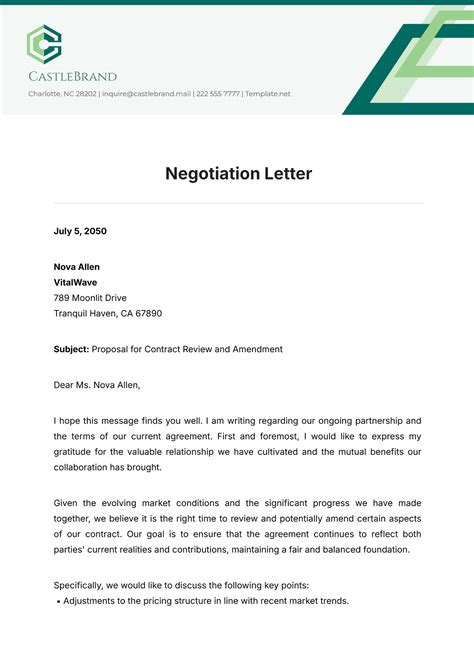
This article provides a robust insurance contract negotiation letter template designed to empower you. We will guide you through crafting clear, professional correspondence that highlights your request and supports your position, ultimately helping you secure the insurance terms that best serve your interests.
Crafting an Effective Insurance Policy Negotiation Letter
A well-structured negotiation letter is more than just a formal request; it’s a strategic tool. It allows you to present your case clearly, reference specific policy details, and provide any supporting documentation in an organized manner. This level of professionalism can significantly impact how your request is received and processed by your insurance provider.
When you’re looking to modify your insurance policy or challenge a decision, a clear written record becomes invaluable. It provides a timestamped account of your communications, which can be crucial for future reference or if further escalation becomes necessary. Moreover, a meticulously prepared letter demonstrates your commitment to a fair resolution.
Before drafting your letter, consider gathering all relevant information. This includes your policy number, specific dates, any previous correspondence, and details of the desired change or dispute. A strong foundation of facts will make your argument more compelling and easier for the insurer to understand.
Key elements that should always be present in your formal insurance correspondence include:
- Your full name and contact information.
- Your insurance policy number.
- The specific purpose of the letter (e.g., premium reduction, coverage adjustment, claim reconsideration).
- A clear, concise explanation of your request or dispute.
- Any supporting evidence or documentation you are providing.
- Your desired outcome or proposed solution.
- A polite request for a response and next steps.
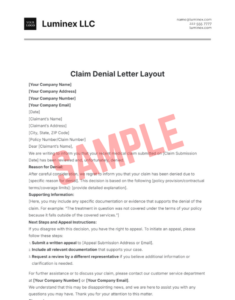
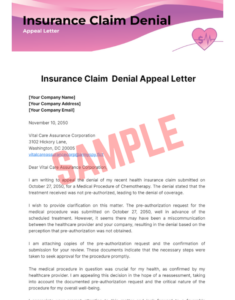
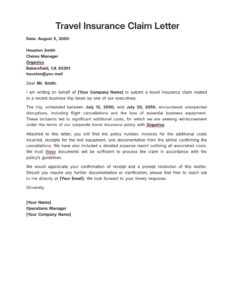
Below is a sample insurance contract negotiation letter template that you can adapt for your specific situation. Remember to customize the bracketed information with your personal details and specific request.
[Your Name]
[Your Address]
[Your City, State, Zip Code]
[Your Phone Number]
[Your Email Address]

[Date]

[Insurance Company Name]
[Insurance Company Address]
[Insurance Company City, State, Zip Code]

Subject: Negotiation Regarding Policy Number [Your Policy Number] - [Briefly State Your Request]

Dear [Insurance Company Representative Name, or "Sir/Madam" if unknown],

I am writing to formally request a review and negotiation concerning my insurance policy, number [Your Policy Number], which covers [Type of Insurance, e.g., auto, home, business liability].

The purpose of this letter is to address [state the specific issue, e.g., "the premium for the upcoming renewal period," "the scope of current coverage," or "the recent claim decision regarding claim #XXXXXX"].

Specifically, I would like to negotiate [state your exact request, e.g., "a reduction in my annual premium," "an adjustment to my current coverage limits," or "a reconsideration of the claim settlement amount"]. My reasons for this request are as follows:

[Paragraph 1: Explain your primary reason clearly. For example, if seeking a premium reduction: "I have recently made several improvements to my property, including [list improvements, e.g., 'installing a new security system and upgrading the roof'], which I believe significantly reduce the risk profile associated with my policy."]

[Paragraph 2: Provide additional details, justification, or supporting evidence. For example, if comparing rates: "Furthermore, I have reviewed comparable policies in the market, and believe my current premium is higher than industry standards for similar coverage. I have attached competitive quotes for your reference."]

[Paragraph 3: State your desired outcome clearly. For example: "I am requesting a premium reduction of [X]% or a revised annual premium of $[Y]. I am confident that these adjustments would align my policy more closely with current market rates and my property's improved risk profile."]

I have attached copies of [list any attached documents, e.g., "security system installation invoice," "roof upgrade receipts," "competitive insurance quotes"] for your review. Please consider these documents in conjunction with my request.

I would appreciate the opportunity to discuss this matter further and explore mutually beneficial terms. Please contact me at [Your Phone Number] or [Your Email Address] within [Number] business days to discuss my request.

Thank you for your time and consideration of this important matter.

Sincerely,

[Your Signature]
[Your Typed Name]
Once you have customized your insurance contract negotiation letter template, review it carefully for any errors. Ensure all policy numbers and dates are accurate. A professional tone, free of emotional language, will always yield the best results when dealing with your insurance provider.
Consider sending your letter via certified mail with a return receipt requested. This provides you with proof of delivery, which can be important for your records. Always keep a copy of the sent letter and all attachments for your own files.
Utilizing a comprehensive insurance contract negotiation letter template empowers you to take a proactive role in managing your policies. This structured approach helps ensure your requests are taken seriously and processed efficiently by your insurer. It transforms a potentially stressful situation into a clear, actionable process.
By effectively communicating your needs and providing detailed justifications, you enhance your chances of securing more favorable terms or a fair resolution to any dispute. Don’t hesitate to use this resource to advocate for your best interests and maintain optimal insurance coverage that aligns with your financial well-being.