Navigating the complex world of business ethics and regulatory compliance can feel like a daunting task, especially when it comes to safeguarding your organization against the insidious threat of bribery. In today’s interconnected global economy, the risks are higher than ever, and the repercussions of non-compliance can be severe, ranging from hefty fines and legal penalties to irreparable damage to your reputation. Understanding where your vulnerabilities lie is the critical first step in building a robust defense.
This is where a structured approach becomes invaluable. Instead of guessing or reacting to problems as they arise, proactive identification and mitigation of bribery risks allow businesses to operate with confidence and integrity. It’s about creating a clear roadmap to compliance, ensuring everyone in your organization understands their role in preventing corruption and upholding ethical standards.
Understanding the Core of Anti-Bribery Risk Assessments
At its heart, an anti-bribery risk assessment is a systematic process designed to identify, analyze, and evaluate the specific bribery and corruption risks an organization faces. It’s not just a tick-box exercise; it’s a deep dive into your operations, markets, and relationships to pinpoint potential weak spots. Think of it as a comprehensive health check for your integrity framework, helping you understand where you might be exposed to the risk of bribery and what proactive steps you need to take to mitigate those risks effectively.
The importance of this process cannot be overstated. By thoroughly assessing your risks, you gain clarity on the scope and nature of the threats. This insight then informs the development and implementation of proportionate and effective anti-bribery controls and procedures. Without a clear understanding of your specific risk profile, your efforts to prevent bribery might be misdirected or insufficient, leaving significant gaps in your defense. It helps you prioritize resources, focusing your attention on areas that pose the greatest risk.
A robust anti-bribery risk assessment should consider various factors unique to your business, including the countries you operate in, the industries you engage with, the types of business partners you have, and the nature of your transactions. It also looks at internal factors, such as the effectiveness of your existing policies, the training provided to employees, and the overall culture of integrity within the organization. This holistic view ensures that no stone is left unturned in identifying potential areas of concern.
Key Steps in Utilizing an Anti Bribery Risk Assessment Template
- **Define Scope and Objectives:** Clearly outline what aspects of your business the assessment will cover and what you aim to achieve. Are you focusing on specific departments, geographic regions, or transaction types?
- **Identify Risk Sources:** Brainstorm and identify all potential sources of bribery risk. This could involve third-party interactions, gifts and hospitality, political contributions, charitable donations, or even internal accounting practices.
- **Analyze and Evaluate Risks:** For each identified risk, assess its likelihood of occurring and the potential impact if it does. This often involves a scoring system (e.g., low, medium, high) to quantify the risk level.
- **Assess Existing Controls:** Evaluate the effectiveness of your current anti-bribery controls. Do they adequately address the identified risks? Are there any gaps or weaknesses?
- **Develop Mitigation Plans:** For risks that are not adequately controlled, develop specific actions or enhance existing controls. These plans should include clear responsibilities and timelines for implementation.
- **Document and Review:** Keep thorough records of your assessment findings, the rationale behind your risk ratings, and your mitigation plans. Regularly review and update the assessment, especially when there are significant changes in your business operations or regulatory landscape.
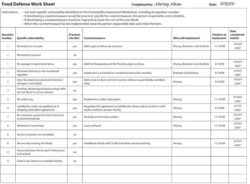
Utilizing an anti bribery risk assessment template streamlines this complex process, providing a structured framework that guides you through each necessary step. It ensures consistency, helps avoid omissions, and makes the entire exercise more manageable, allowing your team to focus on the analysis rather than building the framework from scratch.
Tailoring Your Anti-Bribery Risk Assessment Template for Maximum Effectiveness
While an anti bribery risk assessment template offers a fantastic starting point, it’s crucial to understand that it’s not a one-size-fits-all solution. Every organization is unique, with its own operational landscape, geographical footprint, and regulatory environment. Therefore, merely adopting a generic template without thoughtful customization would be a missed opportunity, potentially leaving critical vulnerabilities unaddressed or, conversely, wasting resources on non-existent risks. The real power of such a template comes from adapting it to precisely fit the contours of your business.
Customization involves more than just swapping out company names. It requires a deep understanding of your specific risk exposure. Consider the markets you operate in; some regions are inherently higher risk due to pervasive corruption, while others might be relatively low risk. The nature of your industry also plays a significant role – sectors heavily reliant on government contracts or permits, for instance, face different bribery challenges than a purely consumer-facing e-commerce business. Your template should reflect these nuances, asking questions and seeking data that is relevant to your operational context.
Furthermore, tailoring your template extends to the types of interactions your employees have with third parties. Do you rely heavily on agents, intermediaries, or consultants? Are these third parties engaged in high-risk jurisdictions or on behalf of government entities? A bespoke template would include detailed sections to scrutinize these relationships, asking specific questions about due diligence procedures, contractual terms, and ongoing monitoring. It’s about building a framework that directly addresses the unique touchpoints where bribery risks could materialize within your specific business model.
A truly effective anti-bribery risk assessment becomes an integral part of your continuous compliance efforts, not a one-off event. By customizing your template and integrating it into your broader compliance management system, you ensure that risk assessment is a living, evolving process. Regular reviews and updates, triggered by changes in business activities, market conditions, or regulatory requirements, keep your risk profile current and your mitigation strategies sharp. This dynamic approach ensures that your anti-bribery framework remains robust and relevant, offering enduring protection against corruption risks.
Establishing a comprehensive anti-bribery framework, underpinned by a meticulously tailored risk assessment, is more than just meeting legal requirements. It’s a strategic investment in your organization’s long-term sustainability and reputation. By proactively identifying and mitigating bribery risks, you not only avoid potential penalties but also foster a culture of integrity and trust, which can be a significant competitive advantage in the global marketplace.
Embracing this proactive stance ensures your organization is well-prepared to face the challenges of a complex ethical landscape. It solidifies your commitment to ethical conduct, reassuring stakeholders, employees, and the public that you operate with the highest standards of integrity.