Navigating the complexities of modern software development often feels like a balancing act. On one side, you have the pressing need to innovate and deliver features at lightning speed; on the other, the critical imperative to ensure your applications are secure against an ever-evolving landscape of threats. Overlooking security in this race can lead to severe consequences, from data breaches and reputational damage to significant financial losses and legal repercussions. This is precisely why a proactive approach to identifying and mitigating potential vulnerabilities is not just recommended, but absolutely essential for any organization building or relying on software.
Think of it this way: you wouldn’t build a house without a blueprint, and you certainly wouldn’t drive a car without knowing its safety features. The same logic applies to your applications. Understanding where your applications are most exposed and what impact a potential exploit could have is the cornerstone of a robust security posture. While the idea of conducting thorough risk assessments might sound daunting, especially with limited resources, having a structured framework makes all the difference. This is where an application security risk assessment template becomes an invaluable tool, transforming a complex task into a manageable and repeatable process.
Why an Application Security Risk Assessment Template is Essential
Imagine trying to assess the security of your applications by simply listing potential problems on a whiteboard, or worse, just reacting to incidents as they happen. It’s a chaotic, inefficient, and ultimately unsustainable approach. A well-designed application security risk assessment template brings much-needed order to this process. It provides a clear, step-by-step guide, ensuring that no critical area is overlooked and that your assessments are consistent across different applications and teams. This structured methodology helps you move from a reactive stance to a proactive one, allowing you to identify and address vulnerabilities before they can be exploited by malicious actors.
Beyond just imposing structure, these templates significantly boost the efficiency of your security efforts. Instead of reinventing the wheel for every new application or update, you can leverage a pre-defined framework, saving valuable time and resources. This means your security team can focus more on analyzing unique risks and less on developing the assessment methodology itself. Furthermore, a standardized template ensures that your risk findings are presented in a uniform way, making it easier for stakeholders, from developers to executives, to understand the security posture of an application and the rationale behind recommended mitigations.
Moreover, using a consistent template helps in prioritizing risks effectively. Not all security flaws are created equal; some pose a much greater threat to your organization than others. By consistently evaluating the likelihood of a threat exploiting a vulnerability and the potential impact of such an event, an application security risk assessment template enables you to assign accurate risk scores. This allows your team to focus their remediation efforts on the most critical issues first, ensuring that your resources are allocated where they can make the biggest difference in protecting your assets and data.
Finally, a structured risk assessment process, facilitated by a comprehensive template, is crucial for regulatory compliance and fostering trust. Many industry standards and regulations, such as GDPR, HIPAA, or various financial sector mandates, require organizations to demonstrate due diligence in protecting sensitive data and systems. A detailed record of your application security risk assessments provides concrete evidence of your commitment to security. It also builds confidence among customers and partners, assuring them that you take the security of your shared data and services seriously, contributing to your organization’s reputation as a trustworthy entity.
Key Components You’ll Find in a Robust Template
A truly effective application security risk assessment template isn’t just a checklist; it’s a comprehensive framework designed to capture all relevant information needed for a thorough security evaluation. While specific sections may vary slightly based on industry or application type, most robust templates will include core elements essential for a complete risk profile. These components work together to paint a clear picture of an application’s vulnerabilities, the threats it faces, and the potential impact should those threats materialize.
Here are some of the fundamental components you should expect to see:
- Application Details: Basic information like the application name, version, development team, owner, purpose, and criticality to the business.
- Threat Identification: A systematic enumeration of potential threats targeting the application, often referencing common attack vectors or frameworks like the OWASP Top 10.
- Vulnerability Assessment: A list of known or suspected weaknesses within the application’s code, configuration, or environment, which could be exploited by identified threats.
- Impact Analysis: An evaluation of the potential damage or consequences to the business (financial, reputational, operational, legal) if a vulnerability were successfully exploited.
- Likelihood Determination: An assessment of how probable it is that a specific threat will exploit a particular vulnerability, considering factors like ease of exploitation and attacker motivation.
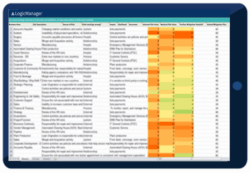
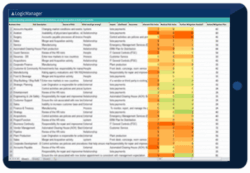
- Risk Scoring: A method (often a matrix or numerical scale) to combine impact and likelihood ratings into an overall risk score, allowing for clear prioritization.
- Mitigation Strategies: Recommended actions, controls, or patches to reduce the identified risks, including responsible parties and target completion dates.
- Residual Risk: The level of risk that remains after all planned mitigation strategies have been implemented, indicating the acceptable level of remaining exposure.
Implementing and Customizing Your Template for Maximum Impact
Simply acquiring an application security risk assessment template is only the first step; the real value comes from its effective implementation and thoughtful customization. No two organizations are exactly alike, and what works perfectly for one might need significant adjustments for another. Therefore, treating your chosen template as a living document that adapts to your unique environment, technological stack, and compliance requirements is key to unlocking its full potential and ensuring it genuinely reflects your security landscape.
The process of rolling out your template should be collaborative. It’s not just a task for the security team; input from development, operations, product management, and even legal departments can provide crucial insights. Developers, for instance, understand the application’s architecture and potential weak points intimately, while business owners can articulate the true impact of a potential breach. By involving various stakeholders from the outset, you foster a shared sense of ownership for security and ensure that the assessments are comprehensive, realistic, and actionable for everyone involved in the application’s lifecycle.
Tailoring your template involves considering factors such as your organization’s risk appetite, the sensitivity of the data handled by the application, and the regulatory environment it operates within. For a critical financial application, your template might require more granular detail on financial impact and compliance checks, whereas a less sensitive internal tool might focus more on operational disruption. Don’t hesitate to add custom fields, adjust scoring methodologies, or incorporate specific industry best practices that are relevant to your context. The goal is to make the template a practical tool that serves your specific needs, rather than a generic document you fill out begrudgingly.
Finally, remember that security is an ongoing journey, not a destination. Your application security risk assessment template should be regularly reviewed and updated to reflect changes in your technology, new threat landscapes, and evolving business priorities. What was a high-risk vulnerability last year might be easily mitigated today, or a new attack vector might emerge that your current template doesn’t adequately address. Establishing a regular review cycle for the template itself ensures its continued relevance and effectiveness, allowing your organization to maintain a proactive and adaptive security posture in the face of continuous change.
By embracing a structured approach to application security, organizations can transform what might seem like an overwhelming challenge into a manageable and integrated part of the development lifecycle. This commitment to identifying and mitigating risks proactively not only protects your digital assets but also fortifies your reputation and fosters greater trust among your users and stakeholders. It’s about building resilience and ensuring that your applications are not just functional, but fundamentally secure from the ground up.
Ultimately, investing time and effort into comprehensive application security risk management pays dividends in the long run. It provides peace of mind, reduces the likelihood of costly security incidents, and allows your teams to innovate with confidence, knowing that a strong security foundation supports their efforts. Prioritizing this aspect of your development process ensures that you are always a step ahead, safeguarding your organization’s future in an increasingly connected and vulnerable digital world.