There is a unique joy that comes with being part of a book club. It is a wonderful way to connect with friends or meet new people, discover books you might not have picked up otherwise, and dive deep into meaningful discussions that enrich your understanding of stories and the world around you. However, without a bit of organization, even the most enthusiastic book club can find itself struggling to keep everyone on track and engaged.
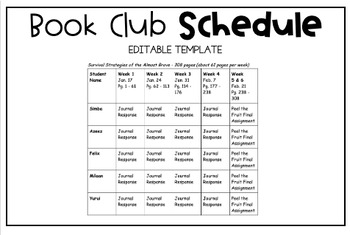
This is where a little planning goes a long way. Creating a solid book club reading schedule template can transform your group from a collection of individuals with good intentions into a cohesive and consistently engaged literary community. It sets expectations, provides clarity, and ultimately makes the entire experience much more enjoyable for everyone involved.
Why a Structured Reading Schedule Is Your Book Club’s Best Friend
Imagine a book club where every member arrives at the meeting having read the assigned pages, eager to share their thoughts and hear others’ perspectives. This ideal scenario is far more achievable when you have a well-thought-out reading schedule in place. A structured plan isn’t about rigid rules; it is about providing a helpful framework that supports consistent participation and deeper engagement. It eliminates the guesswork about what to read and by when, reducing stress and fostering accountability among members.
A good schedule takes into account various practicalities, like the length and complexity of the chosen book, the general availability of members, and the frequency of your meetings. It acts as a clear roadmap, guiding everyone through the literary journey together. Without it, some members might fall behind, leading to frustration, awkward silences, or discussions that lack the depth they could otherwise achieve. It ensures that everyone is literally on the same page, ready for a robust and satisfying conversation.
Key Elements to Include in Your Book Club Reading Schedule
To make your schedule as effective as possible, you will want to incorporate several essential pieces of information. These elements work together to provide a comprehensive overview and keep everyone well-informed.
- Book Title and Author: Clearly state the book your club will be reading, along with the author’s name. This seems obvious, but it is the foundation of your plan.
- Assigned Reading Sections: Break the book down into manageable chunks. This could be by chapter numbers, page ranges, or specific parts of the book. Assigning these sections for each meeting prevents anyone from feeling overwhelmed and ensures everyone knows exactly how much to read.
- Discussion Meeting Dates: Clearly list the date and time for each scheduled discussion meeting. It is helpful to include the day of the week too, to help members remember easily.
- Host or Discussion Leader (Optional): If your club rotates hosts or discussion leaders, include a column for who is responsible for each meeting. This helps distribute the effort and keeps everyone prepared.
- Key Themes or Discussion Prompts (Optional): Sometimes, including a few potential discussion questions or themes for each section can spark interest and give members something specific to think about while reading. This is not meant to be exhaustive but rather a gentle guide.
By including these details in your book club reading schedule template, you create a resource that is not only informative but also highly functional. It helps streamline the entire process, from individual reading to group discussions, allowing everyone to focus on the joy of the story and the camaraderie of the club.
Crafting Your Perfect Book Club Reading Schedule Template Step by Step
Creating an effective reading schedule for your book club does not have to be a complicated process. With a few thoughtful steps, you can build a template that perfectly suits your group’s unique pace and preferences. The first step involves selecting your next book. Once the group has decided on a title, take some time to review its length, complexity, and overall structure. Is it a sprawling epic or a concise novella? Are there natural chapter breaks or more fluid sections? Understanding the book’s composition is crucial for breaking it down effectively.
Next, consider your club’s typical meeting frequency. Do you meet weekly, bi-weekly, or monthly? This will heavily influence how much reading you assign for each session. For instance, if you meet monthly and the book is particularly long, you might need to read more pages per month or extend the reading period over several months. Conversely, a shorter book might be completed in just one or two meetings. The goal is to set a pace that feels comfortable and achievable for the majority of your members, preventing burnout or rushed reading.
Once you have a sense of the book’s structure and your meeting frequency, begin to divide the book into manageable segments. Try to align these segments with natural stopping points like chapter endings or logical shifts in the narrative. For example, assigning chapters 1-5 for the first meeting, 6-10 for the second, and so on, provides clear milestones. If a book has very long chapters, you might need to specify page ranges instead. Always aim for consistency in the length of each assigned segment to maintain a steady reading flow. This is where your book club reading schedule template truly starts to take shape.
Finally, populate your book club reading schedule template with the determined meeting dates and corresponding reading assignments. Share this template with all members well in advance, preferably at the beginning of the reading period. A shared document, a simple email, or even a printout distributed at a meeting can serve this purpose. Encourage feedback and be open to minor adjustments if they will significantly improve the experience for the group. A well-communicated and clear schedule is key to ensuring everyone feels prepared and excited for each literary adventure.
A well-organized book club is a happy book club, and a good reading schedule is the cornerstone of that organization. By utilizing a thoughtful book club reading schedule template, your group can navigate literary worlds with greater ease and enjoyment, fostering deeper discussions and stronger bonds. It frees everyone from the logistical headaches, allowing the true magic of shared stories and intellectual camaraderie to shine through. So go ahead, craft your perfect template, and prepare for countless hours of enriching conversations and memorable reads.