Understanding your body’s signals is a powerful step towards better health, and one of the most direct ways to gain insight into your digestive well-being is by tracking your bowel movements. Using a well-designed bowel movement record template can demystify what’s normal for you, helping you notice patterns and changes that might otherwise go unnoticed. It’s not just about noting when you go, but observing the details that paint a fuller picture of your internal health.
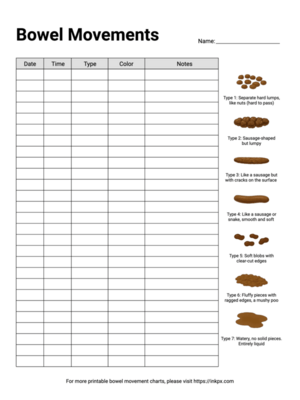
Many of us experience occasional digestive upset, from bloating to irregular bowel habits, and it can be hard to pinpoint the cause without reliable data. A structured approach to logging your daily experiences allows you to connect dots between what you eat, your stress levels, medication, and how your digestive system responds. This self-awareness is invaluable for proactive health management.
This article will guide you through the compelling reasons why diligent tracking matters, what essential information to include in your log, and how a simple template can transform your understanding of your own digestive rhythm, empowering you to have more informed conversations with your healthcare provider.
Why Keeping a Bowel Movement Log is So Important
Keeping a detailed log of your bowel movements might seem like a minor habit, but it offers profound benefits for your overall health and well-being. It’s akin to keeping a financial budget for your money; it reveals where things are going well and where adjustments might be needed. For your gut, this data is incredibly illuminating, providing a personal blueprint of your digestive health.
One of the primary advantages is the ability to establish your personal "normal." Everyone is different, and what’s regular for one person might be unusual for another. By consistently tracking, you’ll soon recognize your usual frequency, consistency, and timing. This baseline is crucial because any significant deviation from it can signal that something might be amiss, prompting you to investigate further or seek medical advice.
Moreover, a detailed record helps you identify potential triggers for digestive discomfort. Have you noticed a pattern where certain foods lead to constipation or diarrhea? Does stress tend to disrupt your routine? Your log can reveal these connections, empowering you to make informed lifestyle or dietary changes to alleviate symptoms and improve your quality of life. Without concrete data, these correlations are often missed or attributed to random occurrences.
For medical professionals, your bowel movement log is a goldmine of information. When you visit a doctor regarding digestive issues, they will inevitably ask about your bowel habits. Instead of vague recollections, you can present them with clear, consistent data. This detailed record allows them to quickly grasp the nature and duration of your symptoms, assess the severity of the problem, and make more accurate diagnoses or recommend appropriate treatments. It saves time and ensures a more targeted approach to your care.
Beyond diagnosis, a log serves as an excellent tool for monitoring the effectiveness of treatments or dietary interventions. If you’re trying a new medication, supplement, or a specific dietary plan like a low-FODMAP diet, your log will show whether these changes are producing the desired effects. You can objectively track improvements, or lack thereof, and adjust your strategy accordingly in consultation with your doctor.
Ultimately, diligent tracking gives you a sense of empowerment over your own health. It transforms abstract feelings of "something isn’t right" into actionable data. You become an active participant in managing your digestive health, making informed decisions and advocating for your needs with greater confidence.
Creating and Using Your Bowel Movement Record Template
Designing an effective bowel movement record template doesn’t need to be complicated. The goal is clarity and consistency, whether you opt for a digital solution like a spreadsheet or a dedicated app, or a simple notebook and pen. What matters most is that it’s easy to use and you stick with it daily to gather reliable information.
The best templates include key pieces of information that provide a comprehensive snapshot of each bowel movement. Thinking about what your doctor might ask, or what might help you spot patterns, is a good starting point for deciding what fields to include. Remember, the more consistent you are with your entries, the more valuable the data becomes over time.
Here are some essential elements to include in your template:
- Date and Time: Pinpoints exactly when each bowel movement occurred.
- Type/Consistency (Bristol Stool Chart): Use the universally recognized Bristol Stool Chart (types 1-7) to objectively describe consistency.
- Color: Note the color (e.g., brown, green, yellow, black).
- Frequency: How many times did you go today?
- Effort/Strain: Was it easy to pass, or did you have to strain?
- Pain/Discomfort: Any abdominal pain, cramping, or discomfort associated with the bowel movement?
- Other Symptoms: Bloating, gas, nausea, indigestion, or feelings of incomplete evacuation.
- Dietary Notes: What significant meals or drinks did you consume leading up to this?
- Medications/Supplements: Any drugs or supplements you took that day.
- Stress Level: A quick self-assessment of your stress for the day.
Once you have your template ready, the key is consistency. Make it a habit to log your information daily, ideally shortly after each bowel movement. Review your entries weekly or monthly to look for trends. Are there specific days of the week when things are different? Do certain foods consistently lead to issues? This reflective process is where the real insights emerge, helping you understand your body better and take proactive steps for your digestive well-being.
Embracing this simple habit can truly transform your understanding of your body. The insights gained from consistently tracking your digestive health offer a clear pathway to identifying triggers, understanding your unique rhythms, and working effectively with healthcare professionals. It’s an investment in your well-being that pays dividends through improved comfort and greater peace of mind about your internal health.