Running a call center is a bit like conducting an orchestra; every single agent, like every instrument, needs to be in the right place at the right time for the whole operation to sound harmonious. Without proper coordination, you end up with chaotic periods of understaffing where callers face endless waits, followed by moments of overstaffing where agents might find themselves twiddling their thumbs. It is a delicate balance, and getting it wrong can lead to frustrated customers, burnt-out agents, and ultimately, a hit to your bottom line.
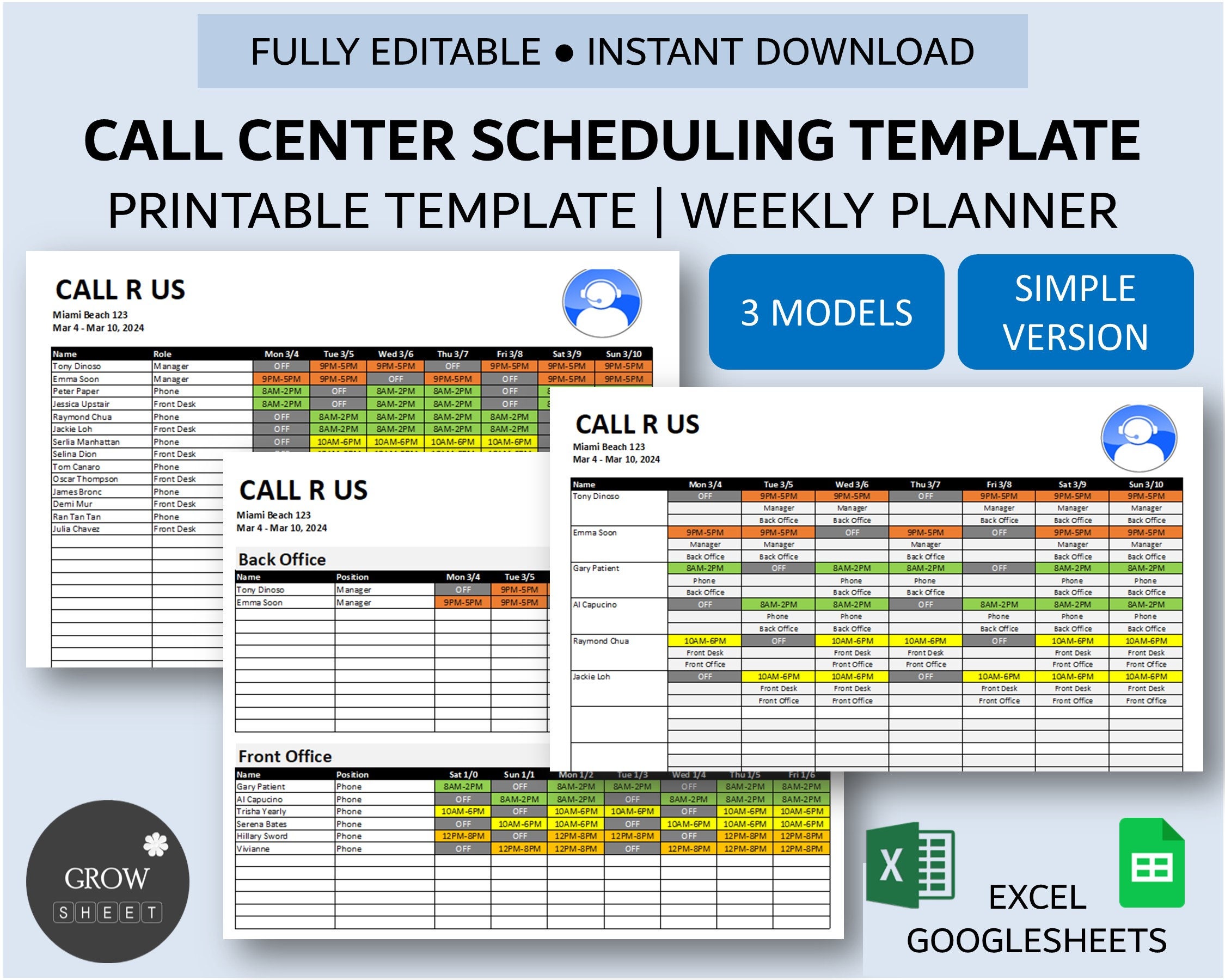
That is where a well-thought-out call center shift schedule template comes into play. It is not just about filling slots; it is about strategic planning that ensures optimal coverage, maintains agent morale, and delivers consistent, high-quality service to your customers around the clock. Let us dive into how you can craft schedules that work for everyone, transforming your call center from a reactive mess to a proactive powerhouse.
Why a Well-Structured Call Center Schedule is Crucial
At the heart of any successful call center operation lies an effective schedule. It dictates the flow of work, manages agent availability, and directly impacts both customer experience and operational efficiency. Imagine a peak hour with an unexpected surge in calls; without adequate staffing due to poor scheduling, hold times skyrocket, customer satisfaction plummets, and your brand reputation takes a hit. Conversely, having too many agents during quiet periods means unnecessary labor costs. A smart schedule ensures you have the right number of people with the right skills available precisely when they are needed.
Beyond the immediate operational benefits, a thoughtful schedule significantly contributes to agent well-being. Call center work can be demanding, and unpredictable or rigid schedules are major contributors to stress and burnout. Agents thrive when they have a degree of predictability and fairness in their shifts, allowing them to better plan their personal lives. This leads to higher job satisfaction, reduced absenteeism, and lower turnover rates, which are all critical for maintaining a stable and experienced workforce.
From the customer’s perspective, a well-managed schedule means shorter wait times, consistent service quality, and the reassurance that help is always readily available. Customers do not care about your internal staffing challenges; they simply want their issues resolved promptly and efficiently. By aligning your staffing with anticipated call volumes and service level agreements, you build trust and foster loyalty, turning one-off callers into long-term advocates for your business.
Ultimately, the ability to forecast and schedule effectively translates directly into tangible business advantages. It optimizes resource allocation, minimizes operational inefficiencies, and helps meet service level agreements consistently. This holistic approach ensures that your call center is not just answering calls, but is operating as a finely tuned machine, delivering value at every touchpoint.
Key Elements to Consider in Your Call Center Shift Schedule Template
- Anticipated Call Volume: Use historical data and forecasting tools to predict when you will be busiest and when things slow down.
- Agent Skills and Language Proficiency: Ensure specialists or multi-lingual agents are scheduled when their specific skills are most likely to be required.
- Agent Availability and Preferences: Factor in agent requests for specific shifts, days off, or part-time hours where possible to boost morale.
- Break and Lunch Schedules: Integrate mandatory breaks seamlessly to comply with labor laws and prevent agent fatigue without impacting service levels.
- Regulatory Compliance: Always adhere to local labor laws regarding maximum working hours, rest periods, and overtime.
- Seasonal and Holiday Fluctuations: Adjust staffing for predictable spikes or drops in call volume during holidays or specific seasons.
- Training and Development Time: Allocate time for ongoing agent training to ensure continuous improvement and skill development.
Designing Your Optimal Call Center Shift Schedule Template
Crafting an optimal call center shift schedule template requires a blend of data analysis, strategic thinking, and a human touch. Start by analyzing your historical data to identify patterns in call volume, average handling time, and peak hours. This data is your compass, guiding you toward an understanding of when you truly need agents on the phones and how many. Tools and software designed for workforce management can be invaluable here, offering sophisticated forecasting capabilities that go beyond simple spreadsheets.
Next, consider the different types of shifts that might work for your operation. Some call centers rely on fixed shifts, while others might benefit from rotating schedules that spread less desirable hours amongst the team. Many are moving towards more flexible options, such as split shifts, or “micro-shifts” during peak times, which can be particularly appealing to agents looking for work-life balance and can efficiently cover those short, intense bursts of activity. The key is to find a balance that meets business needs while also being fair and attractive to your agents.
Once you have a preliminary template, it is crucial to implement it with a plan for continuous review and adjustment. The business landscape and customer behaviors are not static, and neither should your schedule be. Regularly collect feedback from both agents and supervisors. Are agents feeling overworked during certain shifts? Are there still gaps in coverage during specific times? This feedback loop is essential for refining your schedule and ensuring it remains effective and equitable over time.
Finally, think about how you will communicate these schedules to your team. Clarity and transparency are paramount. Agents need to understand their shifts well in advance, and any changes should be communicated promptly and clearly. Utilizing a shared digital calendar or a dedicated scheduling portal can significantly streamline this process, reducing confusion and empowering agents to take ownership of their work-life planning. A well-communicated schedule is a cornerstone of a smooth-running operation.
A robust call center shift schedule template is more than just a rota; it is a strategic asset that underpins the success of your entire operation. By taking a thoughtful and data-driven approach to scheduling, you empower your agents, delight your customers, and achieve your business objectives more consistently.
Embracing the principles of intelligent scheduling allows you to move beyond simply managing shifts to actively optimizing your call center performance. It fosters an environment where efficiency and employee satisfaction go hand-in-hand, paving the way for sustained growth and an exceptional customer experience.