Running a care home is a profound responsibility, centered around providing a safe, comfortable, and dignified environment for residents. It’s a role that demands constant vigilance, as the well-being of vulnerable individuals is at stake. Ensuring their safety isn’t just a moral obligation; it’s a legal and ethical imperative that underpins every aspect of daily operations. From the physical layout of the building to the personal care delivered, every decision has an impact, making a proactive approach to potential hazards absolutely essential.
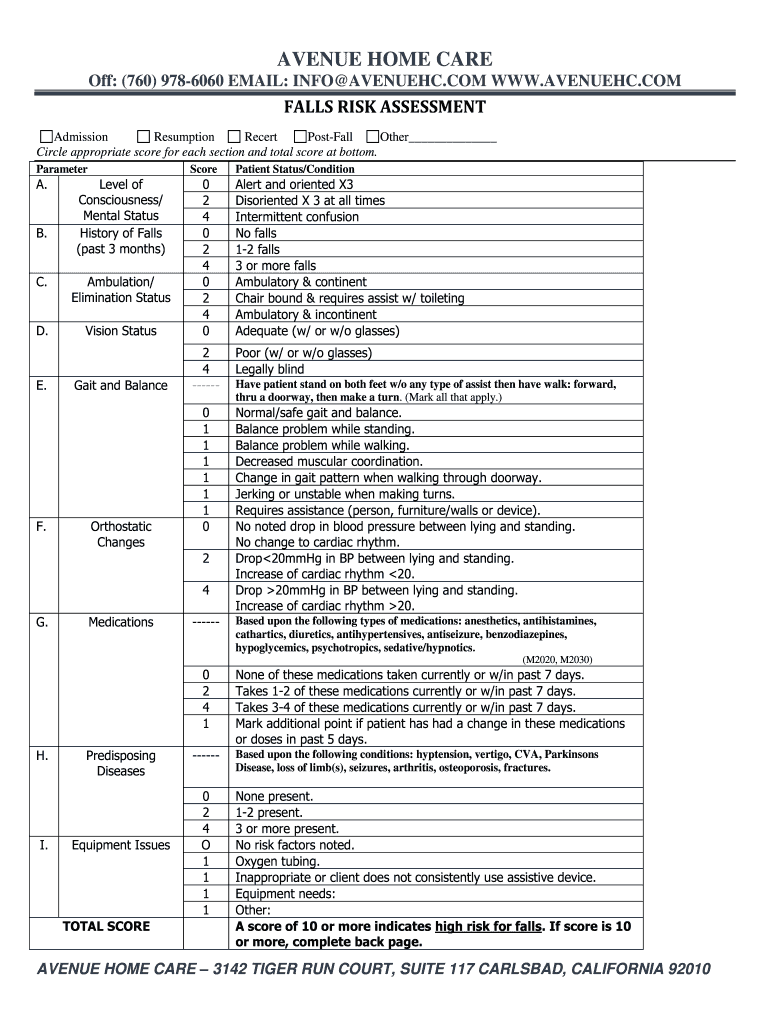
This is where a robust risk assessment process comes into play. It’s not about finding fault, but about identifying potential issues before they become problems, allowing you to implement preventative measures. While the idea of meticulously cataloging every conceivable risk might seem daunting, especially with the myriad of individual needs present in a care setting, a well-structured care home risk assessment template can simplify this crucial task, making it manageable and effective.
Why a Robust Risk Assessment is Crucial for Care Homes
At its heart, risk assessment in a care home is about safeguarding. It’s a proactive strategy designed to protect not only the residents who call your facility home, but also your dedicated staff and any visitors who come through your doors. Beyond the moral duty, thorough risk assessments are a fundamental requirement for regulatory compliance, ensuring your care home meets the stringent standards set by governing bodies. Falling short can have serious consequences, ranging from fines to reputational damage, but more importantly, it can compromise the safety and quality of life for your residents.
Care environments are inherently dynamic. Residents’ health conditions can change rapidly, new equipment might be introduced, or even simple alterations to daily routines can introduce unforeseen risks. A comprehensive risk assessment acknowledges this constant evolution, pushing care providers to regularly review and update their safety protocols. It shifts the focus from reacting to incidents to anticipating and preventing them, fostering a culture of continuous improvement and safety awareness among the entire team.
Without a structured approach, it’s easy for potential hazards to be overlooked, or for mitigation strategies to be inconsistent. This is where the power of a standardized framework becomes evident. It ensures that all critical areas are systematically examined, helping you identify risks that might otherwise go unnoticed in the busy day-to-day operations of a care home.
Common Risk Areas in Care Settings
- Falls and mobility issues among residents
- Medication management errors or incorrect dosages
- Infection control breaches and disease transmission
- Fire safety hazards and evacuation procedures
- Safeguarding concerns, including abuse or neglect
- Environmental hazards such as trip hazards, poor lighting, or unsafe equipment
- Risks associated with challenging behaviors or complex needs
Utilizing a structured approach, often guided by a comprehensive care home risk assessment template, ensures that no stone is left unturned. It provides a clear roadmap for identifying, evaluating, and controlling these diverse risks, ultimately leading to a safer, more secure, and higher quality of life for everyone within the care environment.
Building Your Effective Care Home Risk Assessment Template
While the concept of a “template” might suggest a one-size-fits-all solution, the truth is that while a good care home risk assessment template provides an excellent foundation, its true effectiveness comes from its intelligent customization. Every care home is unique, with its own specific layout, resident demographics, staff complement, and local context. Therefore, simply filling in blanks is not enough; you need to tailor the template to reflect the particular nuances and challenges of your specific setting. This ensures the assessment is relevant, accurate, and actionable.
The process of implementing a template should be collaborative. It’s not a task to be confined to a single manager’s office; rather, it thrives on the input of your frontline staff. Carers, nurses, activity coordinators, and even maintenance personnel possess invaluable insights into the daily operations and potential pitfalls. Their practical experience can highlight risks that might be invisible from a management perspective, enriching the assessment process and fostering a shared sense of responsibility for safety.
Once hazards are identified, the template guides you through evaluating their potential severity and likelihood, and then outlining practical, achievable control measures. This isn’t about eliminating all risk, which is often impossible, but about reducing it to an acceptable level. Clear, concise action plans, assigned to specific individuals with realistic deadlines, transform the assessment from a theoretical exercise into a living document that drives tangible improvements in safety.
Crucially, an effective care home risk assessment template is not a static document. It requires regular review and updates. Residents’ needs change, new staff join, equipment is upgraded, and regulations evolve. Periodically, or whenever a significant change occurs, you must revisit your assessments to ensure they remain current and relevant. This continuous cycle of identification, assessment, implementation, and review is what truly embeds a culture of safety within your care home.
Implementing a well-designed and diligently used template brings numerous benefits beyond just compliance. It ensures consistency in how risks are managed across different shifts and departments, simplifies the training of new staff on safety protocols, and provides clear, documented evidence for inspections. Ultimately, a robust template becomes an invaluable tool for continuous improvement, helping you maintain high standards of care and fostering a secure, nurturing environment for all your residents.
Embracing a comprehensive approach to risk assessment is not merely a box-ticking exercise; it is an integral component of delivering outstanding care. By systematically identifying, evaluating, and mitigating potential hazards, care homes can create environments where residents not only feel safe but truly thrive, free from unnecessary worry. It’s about building trust and demonstrating an unwavering commitment to their well-being.
The ongoing dedication to understanding and managing risks empowers care home providers to elevate their standards, respond proactively to challenges, and consistently uphold the dignity and safety of every individual under their care. This proactive stance ensures peace of mind for residents, their families, and the hard-working staff alike, truly embodying the essence of compassionate and responsible care.