Keeping a school sparkling clean isn’t just about appearances; it’s absolutely vital for the health and well-being of every student and staff member walking through its doors. A clean environment fosters better concentration, reduces the spread of illnesses, and creates a welcoming atmosphere where learning can truly thrive. But with so many different areas and activities happening daily, making sure everything is adequately cleaned can feel like a monumental task without a clear plan.
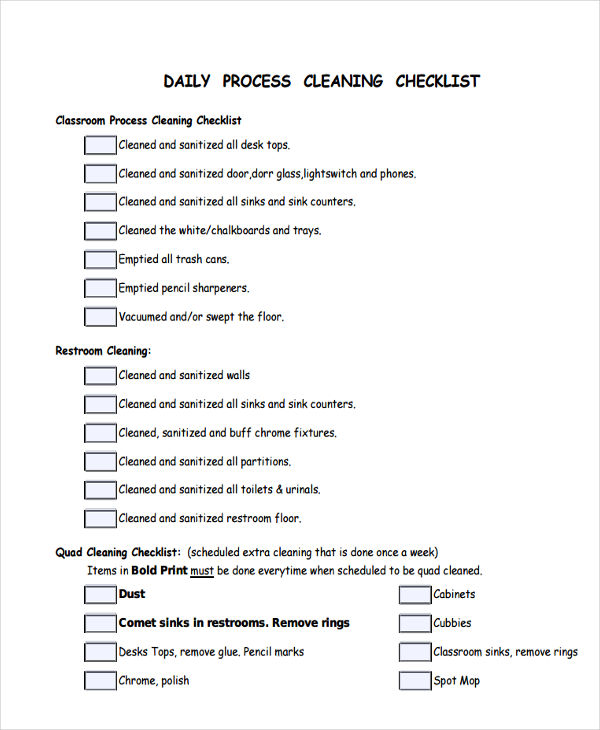
That’s where a well-thought-out system comes into play. Imagine having a clear roadmap that guides your cleaning staff, ensuring no corner is missed and every surface is properly sanitized. This isn’t just a dream; it’s entirely achievable with the right tools. A robust cleaning schedule template for schools is your secret weapon to transform sporadic cleaning efforts into a consistent, efficient, and highly effective program, guaranteeing a healthy and safe space for everyone.
Why a Dedicated Cleaning Schedule Template is a Game-Changer for Schools
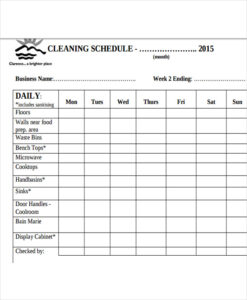
A structured cleaning schedule template for schools brings unparalleled consistency and accountability to your cleaning operations. It takes the guesswork out of daily tasks, providing a clear list of duties for each area and frequency. This not only streamlines the work for your custodial team but also ensures that standards are maintained uniformly across all school premises, from the busiest hallways to the quietest corners of the library. It transforms cleaning from a reactive chore into a proactive system, significantly boosting efficiency and overall cleanliness.
Moreover, a well-defined schedule plays a crucial role in safeguarding the health of the school community. Schools are hotbeds for germs, and consistent, thorough cleaning is the first line of defense against outbreaks of colds, flu, and other infectious diseases. By clearly outlining daily sanitization tasks for high-touch surfaces, restrooms, and eating areas, a template actively works to reduce pathogen transmission, leading to fewer sick days for students and teachers alike. This proactive approach contributes to a more stable and productive learning environment.
Key Elements to Include in Your School Cleaning Schedule
- Area or Location: Specify exactly where the cleaning needs to happen, like “Kindergarten Classroom 1,” “Main Hallway,” or “Girls Restroom near Gym.”
- Task Description: Detail the specific cleaning activity, such as “Vacuum carpets,” “Disinfect desk surfaces,” “Mop and sanitize floors,” or “Empty all waste bins.”
- Frequency: Indicate how often the task should be performed – daily, weekly, monthly, quarterly, or even annually for deep cleans.
- Responsible Staff Member: Assign specific team members or roles to each task for clear accountability.
- Required Equipment or Supplies: List the necessary tools, cleaning agents, or safety gear needed for the task, ensuring staff are always prepared.
- Completion Check-off: A simple box or initial space where staff can mark tasks as completed, providing a clear record of work done.
Customizing your template is key. What works for a high school might be different from an elementary school, and even within one institution, different areas have unique needs. High-traffic zones like cafeterias and restrooms will require more frequent attention than administrative offices or less-used storage areas. A comprehensive template accounts for these variations, allowing you to tailor cleaning frequencies and tasks to match the specific demands of each space, ensuring optimal resource allocation and maximum impact. It also serves as an excellent training tool for new staff, quickly getting them up to speed on school-specific cleaning protocols and expectations.
Implementing and Maintaining Your School Cleaning Program
Getting a cleaning schedule off the ground requires more than just filling in a template; it involves a collaborative effort and thoughtful planning. Begin by conducting a thorough walk-through of your entire facility with your cleaning team. Identify problem areas, high-traffic zones, and specific needs for each room. Involve your staff in the creation process; their on-the-ground insights are invaluable for developing a practical and effective schedule. Once the initial template is drafted, clearly communicate the new system to all relevant personnel, ensuring everyone understands their roles, responsibilities, and the importance of adhering to the schedule.
Training is an ongoing process that should accompany any new or updated cleaning schedule. Even experienced staff can benefit from refreshers on best practices, proper use of cleaning chemicals, and new sanitization techniques. Ensure they are familiar with the specific equipment and products they’ll be using and understand safety protocols. Providing clear, easy-to-understand instructions, perhaps even with visual aids, will minimize confusion and maximize efficiency. Regular check-ins and opportunities for feedback will also empower your team, making them feel like valued contributors to the school’s cleanliness goals.
Whether you opt for digital scheduling software or a simple laminated printout in each area, the system needs to be accessible and easy to use. The goal is to make compliance as straightforward as possible. Flexibility is also paramount; a school environment is dynamic, and your cleaning schedule should be able to adapt to special events, unexpected spills, or seasonal changes. Consider building in review periods where the schedule can be assessed for effectiveness and tweaked as needed.
- Regular Training Sessions: Keep staff updated on best practices and new products.
- Clear Communication Channels: Ensure staff can easily report issues or suggest improvements.
- Periodic Inspections: Conduct routine checks to ensure tasks are being performed to standard.
- Feedback Loop for Improvements: Encourage staff to provide input on what works and what doesn’t.
- Seasonal Adjustments: Modify the schedule for flu season, summer deep cleans, or after special events.
The successful implementation of any cleaning program hinges on continuous monitoring and a commitment to improvement. Regularly review your cleaning schedule to ensure it remains relevant and effective. Are there areas that are consistently missed? Are certain tasks taking too long? Is new equipment available that could improve efficiency? By fostering a culture of continuous assessment and adjustment, your school can maintain a consistently clean, healthy, and inviting atmosphere year after year, benefiting everyone who steps foot inside.
Ultimately, investing the time and effort into creating and maintaining a comprehensive cleaning plan pays dividends in countless ways. It creates an environment where students can learn without distraction, staff can work with peace of mind, and the entire school community feels valued and protected. A well-executed cleaning regimen is more than just a series of tasks; it’s a fundamental part of providing an excellent educational experience.