Embarking on a construction project, whether it’s a minor renovation or a major build, involves a significant financial commitment from both sides. One of the most common sources of friction and misunderstanding in this dynamic relationship revolves around payments. Without a clear, mutually agreed-upon system, contractors can struggle with cash flow, while clients might feel uncertain about when and how much they need to pay, leading to unnecessary stress and potential project delays.

This is precisely why having a robust and transparent payment schedule is not just a good idea, but an essential component of any successful construction agreement. A well-designed construction contract payment schedule template acts as a roadmap, guiding all financial transactions throughout the project lifecycle, ensuring everyone is on the same page from groundbreaking to the final walkthrough. It brings clarity, predictability, and a crucial layer of protection for both the service provider and the client.
Why a Payment Schedule is Your Project’s Best Friend
A construction payment schedule is fundamentally about setting clear expectations and preventing disputes before they even arise. Imagine trying to navigate a complex journey without a map; that’s often what happens when payments are vaguely defined. For contractors, a clear schedule ensures a predictable cash flow, allowing them to manage their resources, pay their workers, and purchase materials without financial strain. This predictability is vital for maintaining momentum and efficiency on the job site. For clients, it offers peace of mind, allowing them to budget effectively and understand precisely what work needs to be completed before each payment is due, fostering trust and a smoother working relationship.
Beyond just preventing arguments, a detailed payment schedule contributes significantly to the overall project management. It acts as a series of checkpoints, encouraging regular progress reviews and communication. Each payment milestone becomes an opportunity to assess the work completed, address any concerns, and ensure the project is advancing according to the agreed-upon timeline and quality standards. This proactive approach helps to identify and resolve issues early, saving time and money in the long run.
Key Elements of an Effective Payment Schedule
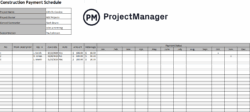
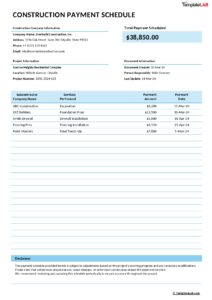
To be truly effective, a payment schedule needs to break down the entire project into manageable, measurable phases, each with an associated payment. This often starts with an initial deposit, followed by a series of progress payments, and typically concludes with a final payment that includes any retainage held back throughout the project. The exact structure will depend on the project’s size, complexity, and duration, but the core principle remains consistent: tying payments directly to tangible progress.
Here are some essential components that should be clearly defined within your payment schedule:
- Project Milestones: Specific, measurable stages of completion, such as foundation laid, framing complete, rough-ins passed, exterior finished, or interior painting done.
- Payment Due Dates: The specific date or timeframe when each payment is expected, often linked directly to the completion of a milestone.
- Payment Amounts: The exact monetary value for each payment, which can be a fixed sum, a percentage of the total project cost, or based on the value of work completed.
- Retainage Information: Details on any percentage of each payment (typically 5-10 percent) withheld until final project completion and satisfaction.
- Conditions for Payment: Any specific requirements that must be met before a payment is released, such as successful inspections, submission of lien waivers, or approval of completed work by the client.
- Invoicing Procedure: How and when invoices will be submitted and the timeframe for payment processing.
By clearly outlining these elements, both parties gain a comprehensive understanding of their financial obligations and rights, creating a transparent and accountable environment that benefits everyone involved in the construction process.
Crafting Your Own Construction Contract Payment Schedule Template
Developing your own construction contract payment schedule template might seem like a daunting task, but it is ultimately about tailoring a standard framework to the unique needs of your specific project. The goal is to create a document that is comprehensive, fair, and easy for everyone to understand. Start by sitting down and thoroughly outlining the entire project scope. Break it down into logical, sequential phases that represent significant accomplishments or stages of work. This detailed breakdown forms the backbone of your payment schedule.
Once the project phases are clearly defined, the next step involves assigning a financial value to each of these milestones. This can be done by estimating the cost of labor, materials, and overhead for each phase, or by allocating a percentage of the total project cost to each. It’s crucial for both the contractor and the client to agree on these values upfront. Transparency here is key; the more clearly these costs are justified and understood, the less likely there will be disagreements down the line. Consider the cash flow needs of the contractor – they need to purchase materials and pay their crew – and balance that with the client’s ability to make payments.
The decision of when payments are triggered is another critical aspect. While some projects might use a simple monthly payment structure, most construction projects benefit from a progress-based payment schedule. This means a payment is due only after a defined portion of the work has been completed and, ideally, inspected. This method motivates the contractor to complete work efficiently and provides assurance to the client that they are paying for tangible progress. It’s often beneficial to include provisions for an initial deposit to cover mobilization costs and material procurement, followed by progress payments at agreed-upon intervals or milestones, then a final payment upon substantial completion and resolution of any punch list items.
Remember, while a construction contract payment schedule template provides a solid foundation, effective communication remains paramount throughout the project. Should unexpected issues arise that necessitate a change in the schedule or cost, open dialogue and mutual agreement on amendments are crucial. A well-crafted template serves as a strong starting point, but the willingness of both parties to collaborate and be flexible ensures that any challenges can be navigated without derailing the financial harmony of the project.
Implementing a well-structured payment schedule significantly mitigates risks for all parties involved in a construction project. It transforms potential financial quagmires into clear, navigable paths, ensuring that both the builder and the client can focus on the ultimate goal: a successfully completed project. This proactive approach to financial management is a hallmark of professional and well-managed construction endeavors.
By embracing the principles of clarity and mutual agreement inherent in a good payment schedule, you can foster a productive environment where financial transactions are predictable, transparent, and fair. This ultimately leads to stronger relationships, smoother project execution, and the successful realization of construction goals without the common headaches associated with payment disputes.