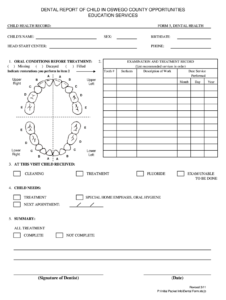
In the fast-paced world of dentistry, maintaining impeccable patient records is not just a best practice; it’s a legal, ethical, and clinical imperative. Accurate and comprehensive documentation forms the backbone of quality patient care, safeguarding both the practice and the patient. Without a systematic approach, vital information can be overlooked, leading to potential compliance issues or compromised treatment outcomes.
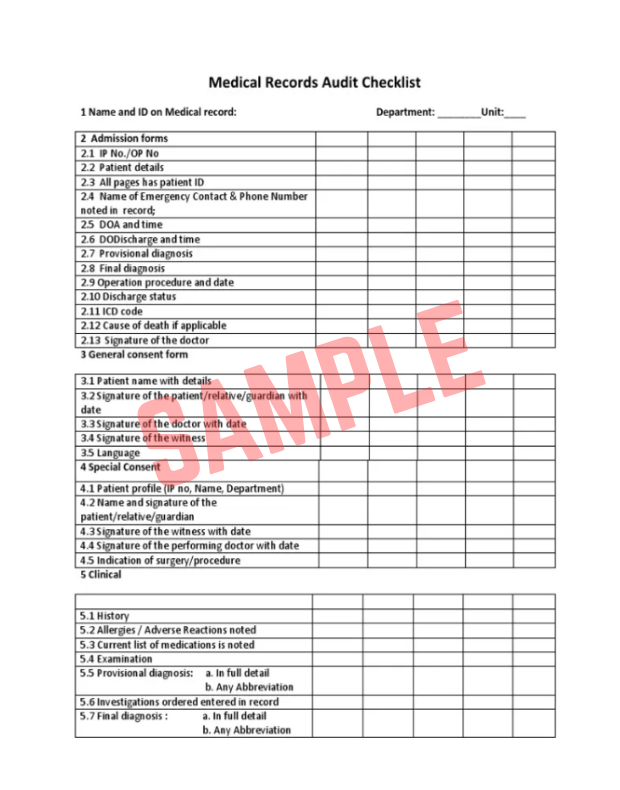
The complexities of regulatory standards, from HIPAA to state dental board requirements, demand meticulous attention to detail. This is where a robust system for review becomes indispensable. Understanding the critical elements of patient documentation and regularly evaluating your practice’s adherence to these standards is crucial for operational excellence and risk mitigation.
This article will explore the profound importance of proper dental record management and introduce you to the concept of a dedicated dental record keeping audit template. We will delve into how such a tool can streamline your compliance efforts, enhance patient safety, and protect your practice from potential liabilities. You’ll learn what to look for in an effective audit tool and even see a sample structure to guide your implementation.
Ensuring Regulatory Compliance in Dental Practices
Navigating the labyrinth of dental regulations can be challenging for any practice. From privacy laws like HIPAA to specific state board mandates regarding clinical notes and consent forms, the rules are extensive and continuously evolving. Non-compliance can result in severe penalties, including hefty fines, license suspension, and irreparable damage to a practice’s reputation.
Beyond the legal ramifications, poor record-keeping can directly impact patient care. Incomplete medical histories, unsigned consent forms, or vague treatment plans can lead to medical errors, misdiagnoses, and ultimately, adverse patient outcomes. This highlights the critical need for a structured approach to ensure all documentation meets the required benchmarks.
Understanding Key Compliance Standards
Dental practices must adhere to a myriad of regulatory bodies and standards. The Health Insurance Portability and Accountability Act (HIPAA) sets the national standard for protecting sensitive patient health information, ensuring privacy and security. This includes physical, technical, and administrative safeguards for electronic protected health information (ePHI).
State dental boards also dictate specific requirements for record content, retention periods, and accessibility. These often cover the specifics of clinical notes, charting, radiographic interpretations, and patient communication. Furthermore, professional ethical guidelines from organizations like the American Dental Association emphasize thorough and accurate documentation as a cornerstone of ethical practice.
The Role of a Robust Audit Process
Implementing a regular audit process is a proactive measure that goes beyond mere compliance; it fosters a culture of excellence. A systematic review of patient files allows practices to identify any gaps or inconsistencies in documentation before they become problematic. This process serves as an internal quality assurance mechanism, ensuring all team members follow established protocols.
Regular audits using a structured dental record keeping audit template help minimize legal and financial risks by ensuring records are complete, accurate, and easily retrievable. They provide an opportunity for staff training and continuous improvement, reinforcing best practices across the entire team. This proactive stance is essential for long-term practice sustainability and patient trust.
Benefits of Implementing a Patient File Review System
Adopting a formal patient file review system within your dental practice offers a multitude of advantages. It transforms record-keeping from a reactive task into a strategic component of your overall practice management. This systematic approach ensures that every patient interaction and treatment decision is thoroughly documented, creating a clear and defensible account.
The consistent application of a review system helps standardize processes across all staff members. This consistency reduces variability in documentation quality and ensures that critical information is always captured. Ultimately, it elevates the professional standing of the practice and enhances its operational resilience.
Enhancing Patient Safety and Care Quality
At the heart of every dental practice is the commitment to patient well-being. A meticulous patient file review system directly contributes to enhanced patient safety. By regularly checking records for completeness and accuracy, potential issues such as medication contraindications, known allergies, or complex medical histories are less likely to be overlooked.
Clear, comprehensive records facilitate better communication among the dental team, specialists, and even emergency medical personnel. When all providers have access to up-to-date and accurate information, treatment plans are better coordinated, and care quality significantly improves. This proactive management of patient data is a testament to a practice’s dedication to optimal health outcomes.
Streamlining Administrative Efficiency
Beyond patient care, a well-structured patient file review system, guided by a dental record keeping audit template, dramatically improves administrative efficiency. Organized and accurate records reduce the time spent searching for information, correcting errors, or dealing with insurance claim denials related to insufficient documentation. This translates into smoother operations and reduced administrative burden.
Efficient record management also supports faster billing cycles and reduces the likelihood of audits from third-party payers. When records are consistently in order, the entire administrative workflow becomes more predictable and less prone to costly delays. This allows staff to focus on patient interaction and other value-added tasks, boosting overall productivity.
Sample Dental Record Keeping Audit Template Structure
A well-designed dental record keeping audit template is a practical tool for systematic review. It provides a checklist approach to ensure consistency and thoroughness in evaluating patient files. The template should be customizable to fit the specific needs and regulatory environment of your practice, ensuring all critical aspects are covered.
The structure below offers a comprehensive framework, but practices may adapt sections or add unique elements. The goal is to make the audit process clear, repeatable, and effective. Regular use of such a template can transform your record-keeping from a potential liability into a significant asset.
- Patient Demographics & Administrative Information:
- Patient Name, Address, Contact Info (Current & Accurate)
- Date of Birth, Gender, Marital Status
- Emergency Contact Information
- Responsible Party Information (if applicable)
- HIPAA Privacy Practices Acknowledgment (Signed & Dated)
- Financial Agreement / Informed Consent for Treatment (Signed & Dated)
- Insurance Information (Current & Verified)
- Medical & Dental History:
- Comprehensive Medical History (Updated Regularly & Signed)
- Allergies (Clearly Highlighted & Updated)
- Current Medications (Updated & Dosage Noted)
- Relevant Systemic Conditions (e.g., Diabetes, Heart Conditions)
- Chief Complaint/Reason for Visit
- Past Dental History (Previous Treatments, Anesthetic Reactions)
- Clinical Records:
- Initial Oral Examination & Diagnosis (Dated & Signed)
- Periodontal Charting (Regularly Updated)
- Restorative Charting (Existing & Planned Restorations)
- Radiographs (Clearly Labeled, Dated, Diagnostic Quality, Interpretation Recorded)
- Treatment Plan (Detailed, Explained to Patient, Signed & Dated)
- Progress Notes (SOAP Format – Subjective, Objective, Assessment, Plan)
- Date & Time of Entry
- Detailed Description of Procedure/Service
- Materials Used
- Anesthetic Used (Type, Amount)
- Patient’s Response & Post-Op Instructions
- Provider Signature/Initials
- Consent Forms for Specific Procedures (e.g., Extractions, Root Canals, Implants – Signed & Dated)
- Laboratory Prescriptions (Copies retained, Dated, Signed)
- Correspondence & Referrals:
- Copies of Referral Letters (Sent & Received)
- Consultation Reports from Specialists
- Communication Records (e.g., Missed Appointments, Phone Calls)
- Audit Findings & Action Items:
- Date of Audit
- Auditor’s Name
- Summary of Deficiencies Found
- Recommended Corrective Actions
- Timeline for Correction
- Follow-up Plan
Diligent record-keeping is more than just an administrative task; it’s a fundamental aspect of delivering exceptional dental care and ensuring the longevity of your practice. By consistently maintaining accurate, complete, and confidential patient records, dental professionals uphold their ethical obligations and safeguard their legal standing. Embracing a systematic approach to documentation review can significantly elevate a practice’s operational standards.
Implementing a comprehensive dental record keeping audit template empowers practices to proactively identify and address potential weaknesses in their documentation processes. This commitment to continuous improvement not only protects the practice from legal and regulatory challenges but also reinforces trust with patients and ensures the highest quality of care. Invest in your practice’s future by making robust record-keeping an unwavering priority.