Understanding the intricate web of circuits that powers your home can feel like deciphering a secret code. Every light switch, every outlet, every appliance relies on a specific breaker in your electrical panel. While it might seem like a minor detail, knowing exactly what each of those switches controls is incredibly important for safety, efficiency, and even when you simply want to hang a picture without hitting a wire.
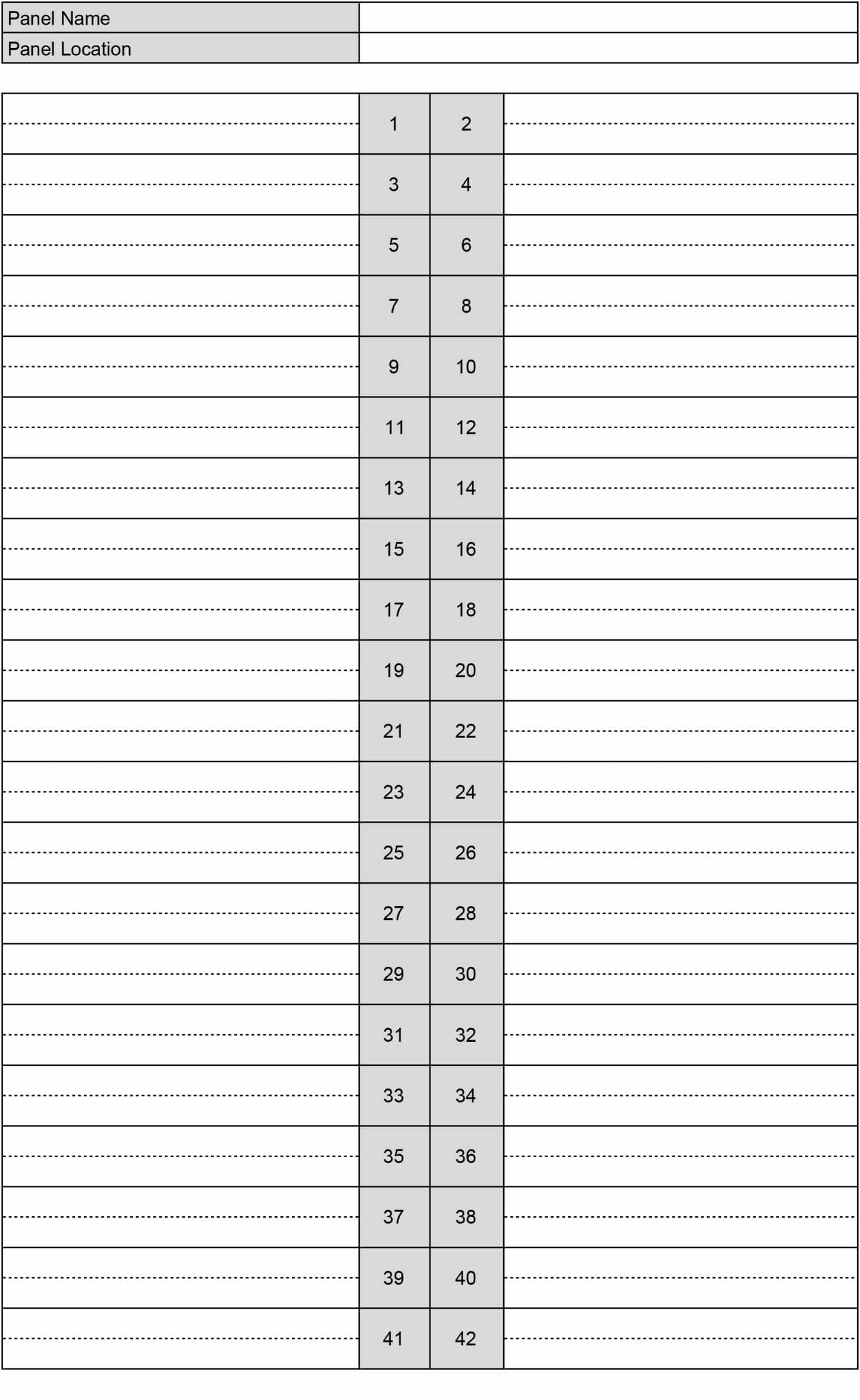
That is precisely where an organized system comes into play. Instead of guessing or flipping breakers at random, having a clear, concise guide to your home’s electrical layout can save you time, frustration, and potential hazards. Creating such a guide, especially with the help of an electrical panel breaker schedule template, transforms a potentially overwhelming task into a straightforward project for any homeowner.
The Indispensable Value of Knowing Your Breakers
Think of your electrical panel as the heart of your home’s power system. Each breaker is a valve, controlling the flow of electricity to different parts of your house. When you need to turn off power to a specific area for a repair, a new installation, or even just to reset a tripped circuit, having an accurate schedule is paramount. It prevents you from accidentally shutting down your refrigerator, computer, or a loved one’s breathing machine when you only meant to switch off a bedroom light.
A disorganized or unlabeled panel is not just an inconvenience; it can be a significant safety risk. In an emergency, such as an electrical fire, every second counts. Quickly identifying and shutting off the affected circuit can be crucial. Moreover, for any home improvement project, from installing a new ceiling fan to adding an outlet, knowing which breaker powers the area ensures you work safely with no live wires. It also streamlines the process for electricians, potentially saving you money on labor.
Many homeowners start with good intentions but never quite get around to thoroughly mapping out their circuits. They might label a few critical ones, leaving the rest a mystery. But with a bit of dedicated time, and the right approach, you can create a comprehensive and easy-to-understand guide for your entire electrical system. This guide becomes an invaluable asset for years to come.
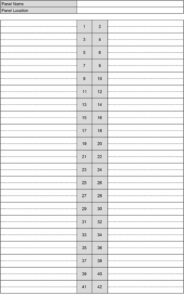
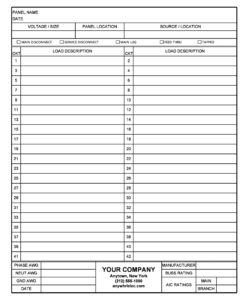
What kind of information should this guide contain? It needs to be precise and leave no room for ambiguity. A good electrical panel breaker schedule template will prompt you for all the necessary details, ensuring you capture everything important about each circuit.
Labeling Your Breakers Correctly
When filling out your schedule, ensure you capture these essential pieces of information for each breaker:
- Breaker Number: Usually, these are sequential, following the order in your panel.
- Amperage: The rating for each breaker (e.g., 15 amp, 20 amp, 30 amp).
- Circuit Description: A clear, concise description of what the breaker powers.
- Locations Served: Specify the rooms or areas affected (e.g., “Master Bedroom outlets,” “Kitchen refrigerator,” “Bathroom GFCI”).
- Specific Notes: Any additional information, like shared circuits or dedicated appliance lines.
Crafting and Maintaining Your Reliable Electrical Panel Schedule
Now that you understand the “why,” let’s dive into the “how” of creating your electrical panel breaker schedule template. The most effective way to identify your circuits is to go breaker by breaker. Start by having a partner or family member walk through your home, checking which lights, outlets, and fixed appliances turn off when you flip a single breaker. Remember to always prioritize safety. If you are ever uncomfortable or unsure about working with your electrical panel, it is always best to consult with a qualified electrician. They can safely map out your circuits for you.
Before you begin, ensure you have a reliable flashlight or headlamp, a test lamp or outlet tester, and your template ready. Start with the main breaker off, then proceed with caution. Some recommend turning off all breakers and then flipping them on one by one, while others prefer to turn off one breaker at a time from a fully powered state. Whichever method you choose, methodically check every outlet and light fixture in each room. Don’t forget about less obvious items like smoke detectors, garage door openers, attic lights, or exterior outlets.
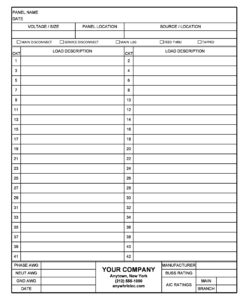
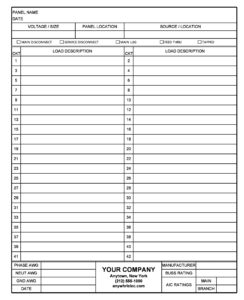
Once you have identified each circuit, carefully record the details onto your chosen format. You might use a simple pen-and-paper method, a digital spreadsheet, or a pre-designed electrical panel breaker schedule template. The convenience of a dedicated template often lies in its structured format, which guides you to include all pertinent information without missing a beat. It offers a consistent layout, making it easy to read and understand for anyone who might need to refer to it in the future.
The creation of your schedule is not a one-time event; it’s an ongoing process. Homes evolve, and so do their electrical needs. Whenever you make significant changes to your electrical system, such as adding a new appliance that requires a dedicated circuit, renovating a room, or having an electrician perform work, you must update your schedule. This ensures its accuracy and continued usefulness. Keep a copy of the schedule taped inside the electrical panel door or in a nearby, easily accessible location.
- Test your circuits annually to confirm labels are still accurate.
- Update the schedule immediately after any electrical modifications or additions.
- Consider laminating your paper schedule for durability against dust and moisture.
- Ensure everyone in the household knows where the schedule is located.
An organized electrical panel brings a remarkable sense of order and security to your home. It means no more fumbling in the dark, no more accidental power outages to critical systems, and a much safer environment for everyone. When an issue arises, you can quickly and confidently address it, knowing exactly which circuit needs attention.
Taking the time to implement and maintain a proper electrical panel breaker schedule template is a small investment of effort that pays dividends in safety, convenience, and peace of mind. It transforms a complex aspect of home maintenance into an understandable and manageable part of responsible homeownership, ensuring your home’s electrical system is not only functional but also safely and clearly understood.