In today’s complex global landscape, ensuring the safety of our food supply goes far beyond preventing accidental contamination. We now face the very real and concerning threat of intentional adulteration, sabotage, or even terrorism aimed at our food products. This deliberate targeting can have devastating consequences, not only for public health but also for the reputation and financial stability of food businesses. It is a challenge that demands a proactive and systematic approach.

This is where the concept of food defence becomes paramount. It involves safeguarding food from acts intended to cause widespread harm, and effectively managing these risks requires a structured methodology. Having a clear and comprehensive system in place is not just a regulatory requirement for many, but a fundamental commitment to consumer safety and business resilience. A well-designed food defence risk assessment template can be your guiding light in this crucial endeavor.
Understanding the Core of Food Defence
Food defence is often confused with food safety, but while both are critical, they address different threats. Food safety focuses on preventing unintentional contamination, such as from bacteria, allergens, or foreign materials. Food defence, on the other hand, deals specifically with preventing intentional acts of adulteration or harm, considering threats like disgruntled employees, activists, or even terrorist groups. The potential impacts of a successful food defence breach are severe, ranging from mass illness and fatalities to significant economic losses and irreparable damage to brand trust. Identifying these vulnerabilities and implementing protective measures is a continuous journey, not a destination.
To effectively protect your food products and facility, you need a robust framework that systematically evaluates potential threats and vulnerabilities. This involves looking at every stage of your operation, from raw material sourcing to final product distribution, through the lens of intentional harm. It’s about asking, “How could someone deliberately compromise our product or process?” and then designing safeguards against those scenarios. This detailed examination is precisely what a comprehensive risk assessment aims to achieve.
Key Components of a Robust Food Defence Plan
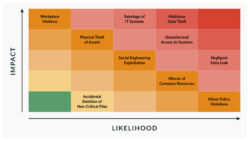
A strong food defence plan is built on several foundational pillars. First, you must identify potential threats, considering both internal and external actors. This involves brainstorming possible scenarios and understanding the motivations and capabilities of those who might seek to do harm. Second, a thorough vulnerability assessment is crucial, where you pinpoint weaknesses in your current operations, security systems, and procedures that could be exploited. This might include access points, personnel screening, or gaps in supply chain integrity.
Once threats and vulnerabilities are identified, the next step is to develop and implement effective mitigation strategies. These are the specific actions and controls you put in place to reduce the likelihood or impact of an intentional attack. Finally, no plan is complete without ongoing monitoring and verification to ensure that your measures remain effective and are adapted as new threats emerge. This systematic approach is vastly simplified and made more consistent by using a well-structured food defence risk assessment template, which guides you through each necessary step.
* Threat Identification
* Vulnerability Assessment
* Mitigation Strategies
* Monitoring and Verification
* Incident Response Planning
Implementing Your Food Defence Strategy
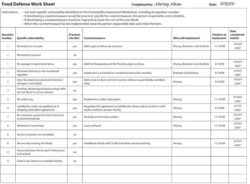
Putting your food defence strategy into action requires more than just filling out a form; it demands a cultural shift within your organization. The food defence risk assessment template isn’t just a document; it’s a living tool that helps you map out your facility, identify critical control points for defence, and evaluate your existing security measures. Think about your building layout, access controls, raw material receiving, storage areas, processing lines, and even your IT systems. Each of these can be a potential point of vulnerability that needs careful consideration and specific protective measures.
Successful implementation relies heavily on teamwork. Food defence isn’t solely the responsibility of a security manager; it involves everyone from production line staff to senior management, quality assurance, and human resources. Establishing a multidisciplinary team is essential for a holistic assessment and for ensuring that all perspectives are considered. Furthermore, regular training and awareness programs are vital to ensure that every employee understands their role in protecting the food supply and remains vigilant to suspicious activities.
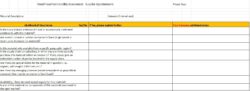
When using a food defence risk assessment template, you’ll delve into specific areas like physical security, personnel screening procedures, and the integrity of your supply chain. For instance, are all entry points secured? Are visitor logs maintained? How are new employees vetted? Are your ingredients sourced from trusted suppliers with their own robust defence plans? These detailed questions help uncover gaps that might otherwise go unnoticed, allowing you to strengthen your overall defence posture.
The process doesn’t stop once controls are in place. Food defence is an ongoing commitment, requiring regular review and updates. New threats can emerge, technology evolves, and your operational processes might change. Your food defence risk assessment template should be a document that is revisited annually, or whenever significant changes occur, to ensure its continued relevance and effectiveness. This commitment to continuous improvement reinforces the resilience of your food defence system.
* Regularly review and update your assessment
* Train your staff on food defence protocols
* Conduct internal audits to test your system
* Stay informed about emerging threats
* Maintain clear documentation of all efforts
By systematically evaluating potential threats and vulnerabilities and implementing robust protective measures, businesses can significantly reduce the risk of intentional contamination. This proactive stance not only helps meet regulatory requirements but, more importantly, provides peace of mind that every effort is being made to safeguard consumers and maintain the integrity of our food supply.
Embracing a comprehensive food defence strategy, guided by a well-utilized template, underscores a deep commitment to safety, quality, and trust. It builds a resilient system that can withstand unforeseen challenges, ensuring that the food products reaching tables worldwide are not only delicious but also secure from malicious intent.