Maintaining impeccable hygiene in any food establishment is not just a good practice; it is an absolute necessity for the health and safety of your customers and the longevity of your business. From small cafes to large restaurants and food manufacturing plants, the risk of foodborne illnesses looms large if cleanliness standards are not rigorously upheld. This commitment to hygiene extends beyond just a quick wipe-down; it requires a systematic, organized, and thoroughly documented approach to ensure every corner and piece of equipment is sanitized regularly and effectively.

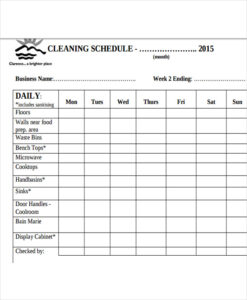
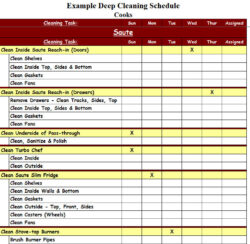
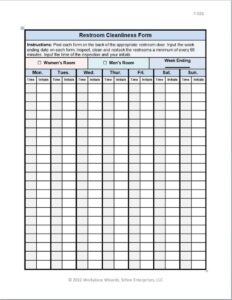
Many business owners might feel overwhelmed by the sheer scale of cleaning tasks required to meet these stringent standards. That is where a structured plan comes into play. A well-designed food safety cleaning schedule template acts as your roadmap, guiding your team through daily, weekly, and monthly cleaning responsibilities, ensuring nothing is overlooked. It transforms a potentially chaotic chore into an efficient, manageable system that safeguards your reputation and, most importantly, the well-being of your patrons.
Why a Robust Cleaning Schedule is Non-Negotiable
The implications of neglecting proper food safety cleaning protocols can be severe, ranging from hefty fines and legal action to a devastating blow to your brand image. Health inspectors are vigilant, and a single lapse in hygiene could result in a failing grade, public health alerts, or even a temporary closure. Beyond the regulatory pressures, outbreaks of foodborne illnesses can lead to serious health consequences for customers, eroding trust and causing irreparable damage to your business reputation that years of hard work cannot easily rebuild.
However, the benefits of a robust cleaning schedule extend far beyond mere compliance. A consistently clean environment contributes to a more pleasant working atmosphere for your staff, boosting morale and productivity. It also signals professionalism and care to your customers, reassuring them that they are dining or consuming products from a business that prioritizes their safety. This positive perception can translate directly into increased customer loyalty and positive word-of-mouth referrals, giving you a competitive edge in a crowded market.
Key Elements of an Effective Cleaning Plan
Developing an effective cleaning plan requires careful consideration of various factors unique to your operation. You need to think about every surface, every piece of equipment, and every area that comes into contact with food or contributes to the overall hygiene of your premises. This includes not just the obvious spots like cooking surfaces but also less visible areas such as ventilation systems, storage shelves, and even the often-forgotten undersides of equipment.
The plan should clearly outline what needs to be cleaned, how it should be cleaned, who is responsible for the task, and most importantly, how often these tasks should be performed. Without a clear assignment of duties and a defined frequency, tasks can easily be missed or inconsistent, leaving gaps in your hygiene efforts. The goal is to leave no room for ambiguity, ensuring everyone on your team understands their role in maintaining top-tier cleanliness.
- Identification of all areas and equipment needing cleaning
- Frequency of cleaning tasks daily weekly monthly etc
- Specific cleaning procedures for each task detailing methods and chemicals
- Designated staff responsible for each task
- Monitoring and verification processes to ensure tasks are completed correctly
Building Your Own Food Safety Cleaning Schedule Template
Crafting a comprehensive cleaning schedule from scratch can seem like a monumental undertaking. This is precisely why a well-structured food safety cleaning schedule template proves invaluable. It provides a foundational framework, saving you significant time and effort while ensuring that all critical aspects of food hygiene are addressed. Think of it as a customizable blueprint that you can adapt to the unique layout and operational demands of your specific establishment.
No two food businesses are exactly alike, and therefore, a one-size-fits-all cleaning schedule rarely works perfectly. Whether you run a bustling commercial kitchen, a small takeaway, or a delicate pastry shop, your template needs to reflect your specific equipment, workflow, and potential hazard zones. Customization is key; take the time to walk through your premises, identifying every potential risk area and every item that requires regular attention, then integrate these into your chosen template structure.
When you sit down to fill out your food safety cleaning schedule template, consider breaking down your tasks into logical categories. These categories could be based on areas like the kitchen, dining area, restrooms, or storage facilities, or by types of equipment such as fryers, ovens, refrigerators, and cutting boards. For each task, be specific about the cleaning agent to be used, the method of cleaning, and any necessary personal protective equipment. This level of detail minimizes errors and ensures consistency across your team.
Once your template is populated and implemented, it is crucial to train all staff members on its use and their individual responsibilities. Regular review meetings are also important to discuss any challenges, update procedures, and ensure the schedule remains effective and compliant with evolving standards. A living, breathing document that is regularly referenced, completed, and updated is far more effective than one that simply sits on a shelf gathering dust.
- Categorize your cleaning tasks by area kitchen dining restrooms etc
- Break down tasks into daily weekly monthly and even annual frequencies
- Assign specific team members or roles to each cleaning duty
- Clearly outline the cleaning agent and equipment required for every task
- Include a column for sign-off or verification to track completion
Implementing a thorough food safety cleaning schedule is more than just ticking boxes; it is a fundamental pillar of responsible business operation in the food industry. By meticulously planning, executing, and monitoring your cleaning processes, you not only meet regulatory obligations but also build a reputation for excellence and reliability. This commitment to hygiene safeguards public health, protects your brand, and fosters a positive environment for both staff and customers.
Ultimately, investing time in creating and maintaining an effective cleaning schedule is an investment in the long-term success and sustainability of your food establishment. It demonstrates your unwavering dedication to quality and safety, setting a high standard that resonates with everyone who interacts with your business. Keep it consistent, keep it clear, and let your cleanliness speak volumes about your commitment.