Managing a youth football team can feel like a full-time job. Between practices, games, uniforms, and keeping everyone motivated, there’s a lot on a coach’s or team parent’s plate. One often-overlooked but crucial aspect is ensuring the players are properly fueled. Kids, especially active ones, need consistent energy, and healthy snacks play a vital role in their performance and recovery, yet organizing who brings what and when can quickly become a chaotic mess.
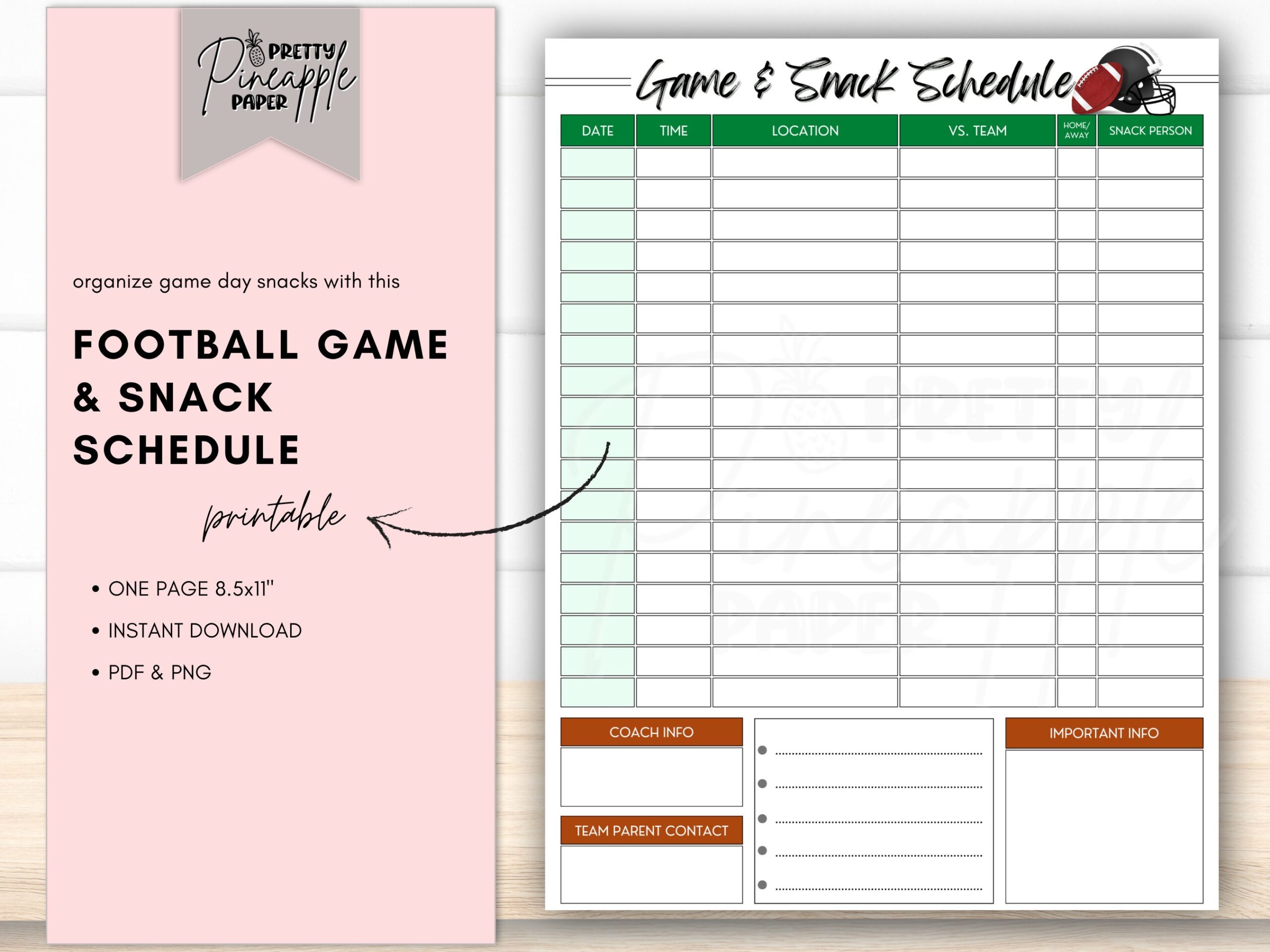
That’s where a little planning goes a long way. Imagine a world where every parent knows exactly when it’s their turn to bring snacks, what kind of snacks are appropriate, and what dietary needs to look out for. It sounds like a dream, but it’s totally achievable with a structured approach. A clear, well-communicated schedule not only eases the burden on busy parents but also ensures the team consistently receives the nutrition they need to thrive on and off the field.
Why a Snack Schedule is a Game Changer for Your Team
Implementing a snack schedule might seem like just another task, but it genuinely simplifies life for everyone involved. For parents, it eliminates that last-minute scramble of “whose turn is it?” or the awkward overlap of three people bringing Gatorade and no actual food. It creates fairness, ensuring the responsibility is evenly distributed throughout the season. Beyond the logistics, a consistent snack plan directly contributes to the team’s well-being and performance.
Young athletes burn a tremendous amount of energy during practices and games. They aren’t just running; they’re sprinting, tackling, jumping, and constantly moving. Without proper fuel, their energy levels will dip, leading to fatigue, decreased focus, and potentially affecting their performance. Healthy snacks provide the necessary carbohydrates for energy, a bit of protein for muscle repair, and essential vitamins and minerals to keep them going. It’s not just about stopping hunger; it’s about supporting their bodies as they grow and compete.
Moreover, a well-thought-out schedule allows for consideration of various dietary needs and allergies. In any group of kids, you’re bound to find someone with a nut allergy, a gluten sensitivity, or another specific requirement. A centralized schedule, perhaps with a column for notes, ensures that these important details are communicated effectively, making snack time safe and inclusive for every player. It also empowers parents to contribute appropriate options, knowing their efforts are part of a larger, organized plan.
Think of it as setting the team up for success, not just on the scoreboard, but in their overall health and enjoyment of the sport. It takes the guesswork out of game day and practice provisions, allowing parents and coaches to focus on the game itself.
Key Elements to Include in Your Snack Schedule
- Player Names and Assigned Dates: Clearly list who is responsible for snacks on which days.
- Suggested Snack Ideas: Offer a list of healthy, team-friendly options like fruit slices, pretzels, granola bars, or cheese sticks.
- Drink Options: Emphasize water as the primary choice, perhaps with an occasional sports drink for longer, intense games.
- Allergy and Dietary Restrictions: A dedicated section for important notes about players’ specific needs.
- Volunteer Guidelines: Any specific instructions for parents, such as bringing coolers or serving utensils.
- Contact Information: A way for parents to reach out with questions or to swap dates if needed.
Building Your Own Effective Football Team Snack Schedule Template
Creating a functional football team snack schedule template doesn’t have to be complicated. Start by gathering essential information: how many players are on the team, the number of practices and games in the season, and any known dietary restrictions from parents. You might want to send out a quick survey or email to get this information upfront. This data will form the foundation of your schedule, ensuring it’s tailored to your team’s specific needs and the season’s demands.
Next, brainstorm a list of suitable snack and drink options. Focus on items that are easy to distribute, relatively mess-free, and provide good energy. Think whole fruits like oranges or bananas, individual bags of pretzels or goldfish crackers, cheese sticks, or granola bars (checking for nut-free options if allergies are present). Water should always be the primary drink, but for longer, more intense game days, some parents might opt for diluted juice or sports drinks. Having a suggested list helps guide parents, ensuring consistency and health-conscious choices.
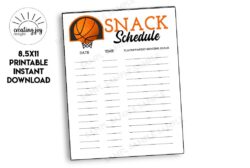
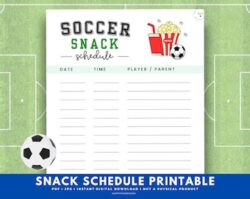
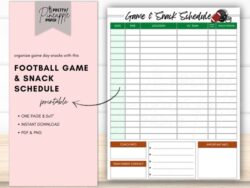
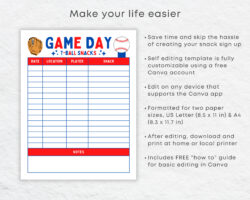
Once you have your information and snack ideas, you can start populating your football team snack schedule template. A simple spreadsheet works wonderfully for this, with columns for dates, game/practice details, assigned parent, and snack notes. Online sign-up tools are also fantastic, allowing parents to sign up for available slots directly and even see what others are bringing. Be sure to include clear instructions on quantity (e.g., enough for all players plus coaches), timing, and any allergy warnings.
Finally, communicate the schedule clearly and distribute it widely. Email it to all parents, print copies to hand out, and perhaps even post it on a team communication app or website. Encourage parents to review it and reach out with any questions or if they need to swap dates. A well-executed snack schedule is not a static document; it’s a living tool that can be tweaked and improved based on feedback throughout the season. By putting in a little effort at the start, you’ll set the team up for a season of hassle-free, nutritious fueling.
Implementing a thoughtful snack schedule simplifies a significant logistical challenge for football teams, creating a smoother experience for coaches, parents, and most importantly, the players. It’s about ensuring every child has the energy they need to perform their best and recover effectively, fostering an environment where well-being is prioritized alongside skill development.
By establishing clear expectations and providing a helpful framework, you contribute to a more organized and enjoyable season for everyone involved. No more last-minute grocery runs or forgotten snacks; just a well-oiled machine where the focus can remain squarely on the game and the joy of playing.