Working with chemicals, even seemingly innocuous ones, inherently carries a degree of risk. From cleaning supplies in an office to complex reagents in a laboratory or manufacturing plant, understanding and mitigating potential hazards is not just good practice, it’s a legal and ethical imperative. The consequences of overlooking chemical risks can range from minor skin irritations to severe injuries, long-term health issues, or even environmental contamination, underscoring the critical need for a structured and thorough approach to safety.

Navigating the complexities of chemical safety regulations and best practices can feel overwhelming, especially for businesses with diverse chemical inventories. This is where a well-designed hazardous chemical risk assessment template becomes an invaluable tool. It simplifies the process, ensures consistency, helps identify potential dangers systematically, and guides you toward effective control measures, ultimately fostering a safer working environment for everyone involved.
Why a Structured Approach to Chemical Risk is Non-Negotiable
In any environment where hazardous chemicals are present, a casual approach to safety is simply not an option. Regulatory bodies worldwide mandate that employers assess and control risks associated with chemical use, storage, and disposal. Beyond mere compliance, however, a structured approach protects your most valuable asset: your people. It prevents accidents, reduces exposure, and contributes to a healthier, more productive workforce by ensuring that no potential hazard is left unaddressed.
A well-defined framework for risk assessment provides numerous benefits. It brings consistency to the process, ensuring that all chemicals, regardless of their location or application, are evaluated using the same rigorous standards. This consistency makes it easier to compare risks, prioritize control measures, and track progress over time. Furthermore, a structured approach facilitates easier review and updates, which is crucial as chemical inventories change or new information about hazards becomes available. It transforms what could be an arbitrary task into a systematic and manageable safety initiative.
The core of effective chemical safety lies in understanding the journey of a chemical from its arrival at your facility to its eventual disposal. This lifecycle approach allows for comprehensive risk identification at every stage. A robust risk assessment should consider not just the chemical itself, but also how it is handled, by whom, under what conditions, and what emergency procedures are in place. This holistic view is essential for developing truly effective control strategies.
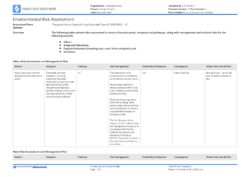
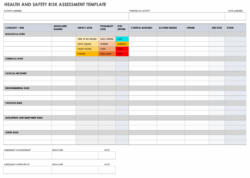
A comprehensive hazardous chemical risk assessment template isn’t just about ticking boxes; it’s about embedding a culture of vigilance and proactive safety planning. It provides a roadmap for identifying hazards, evaluating risks, and implementing controls.
Key Steps in Utilizing Your Template Effectively
- **Identify All Hazardous Chemicals:** Begin by cataloging every chemical in your workplace that poses a potential hazard. This includes reading Safety Data Sheets (SDSs) thoroughly to understand their properties, health effects, and physical dangers.
- **Understand the Hazards and Risks:** For each identified chemical, detail the specific hazards it presents (e.g., flammability, toxicity, corrosivity) and the risks associated with its use (e.g., inhalation, skin contact, ingestion, explosion).
- **Evaluate Existing Control Measures:** Assess what measures are currently in place to mitigate these risks. Are personal protective equipment (PPE), ventilation systems, or specific handling procedures already in use? Document their effectiveness.
- **Determine the Likelihood and Severity of Harm:** For each risk, estimate how likely an incident is to occur and how severe the consequences would be. This helps in prioritizing which risks need immediate attention.
- **Implement Further Control Measures:** Based on your evaluation, identify and implement additional control measures using the hierarchy of controls (elimination, substitution, engineering controls, administrative controls, PPE).
- **Document, Review, and Update:** Record all findings, actions taken, and the rationale behind them. Regularly review and update your assessments, especially after incidents, changes in processes, or the introduction of new chemicals.
This systematic approach, guided by your template, ensures that no stone is left unturned in your pursuit of chemical safety.
Beyond Compliance: Cultivating a Safer Chemical Culture
While regulatory compliance is a fundamental driver for conducting chemical risk assessments, the true value of a well-implemented program extends far beyond simply meeting legal requirements. It fosters a proactive safety culture where every individual understands their role in preventing chemical-related incidents. When employees are actively involved in identifying hazards and suggesting control measures, they become invested in the safety process, leading to a more vigilant and responsible workforce.
A thoughtfully designed hazardous chemical risk assessment template serves as a powerful communication tool. It clearly outlines the dangers, the precautions to take, and the emergency procedures, ensuring that vital safety information is accessible and understood by everyone who needs it. This transparency builds trust and empowers employees to work safely, knowing that their well-being is a top priority for the organization. It moves the conversation from "what we have to do" to "how we can all contribute to a safer environment."
Continuous improvement is another cornerstone of a robust safety culture, and chemical risk assessments are central to this. They are not one-off events but rather ongoing processes that adapt to changes in operations, chemicals, or scientific understanding. Regular training, drills, and open channels for feedback help refine these assessments and keep safety protocols sharp. This iterative approach ensures that your safety measures remain effective and relevant in an ever-evolving chemical landscape.
By embracing a comprehensive risk assessment methodology, organizations can realize a multitude of benefits that extend far beyond simply avoiding penalties.
- **Reduced incidents and accidents:** Proactive identification and mitigation of risks directly lead to fewer workplace injuries and exposures.
- **Improved employee morale and trust:** A demonstrable commitment to safety shows employees they are valued, fostering a more positive and loyal workforce.
- **Enhanced operational efficiency:** Fewer incidents mean less downtime, lower medical costs, and improved productivity.
- **Positive reputation for safety:** Being known as a safe workplace can attract talent and enhance your brand image.
- **Lower insurance premiums:** A strong safety record often translates to reduced insurance costs.
Ultimately, a culture that prioritizes chemical safety through structured assessments transforms potential liabilities into assets, ensuring both the well-being of people and the longevity of the business.
Implementing a robust system for managing hazardous chemical risks is not merely a task to be completed; it is a foundational pillar of responsible operations. By systematically identifying, evaluating, and controlling chemical hazards, organizations not only fulfill their legal and ethical obligations but also build a resilient and secure working environment. The peace of mind that comes from knowing you’ve taken every reasonable step to protect your team from chemical dangers is immeasurable.
Embracing the structured approach offered by a comprehensive hazardous chemical risk assessment template empowers businesses to move beyond reactive problem-solving to proactive prevention. It cultivates a continuous cycle of safety awareness, improvement, and vigilance, ensuring that your workplace remains a safe haven for all who enter it, now and in the future.