Running a home daycare is a truly rewarding experience, but let’s be honest, it can also feel like a beautiful whirlwind of tiny humans, endless creativity, and unexpected spills. One of the most common challenges providers face is maintaining a sense of order and predictability amidst all the delightful chaos. It’s easy to feel overwhelmed without a clear plan for your day.
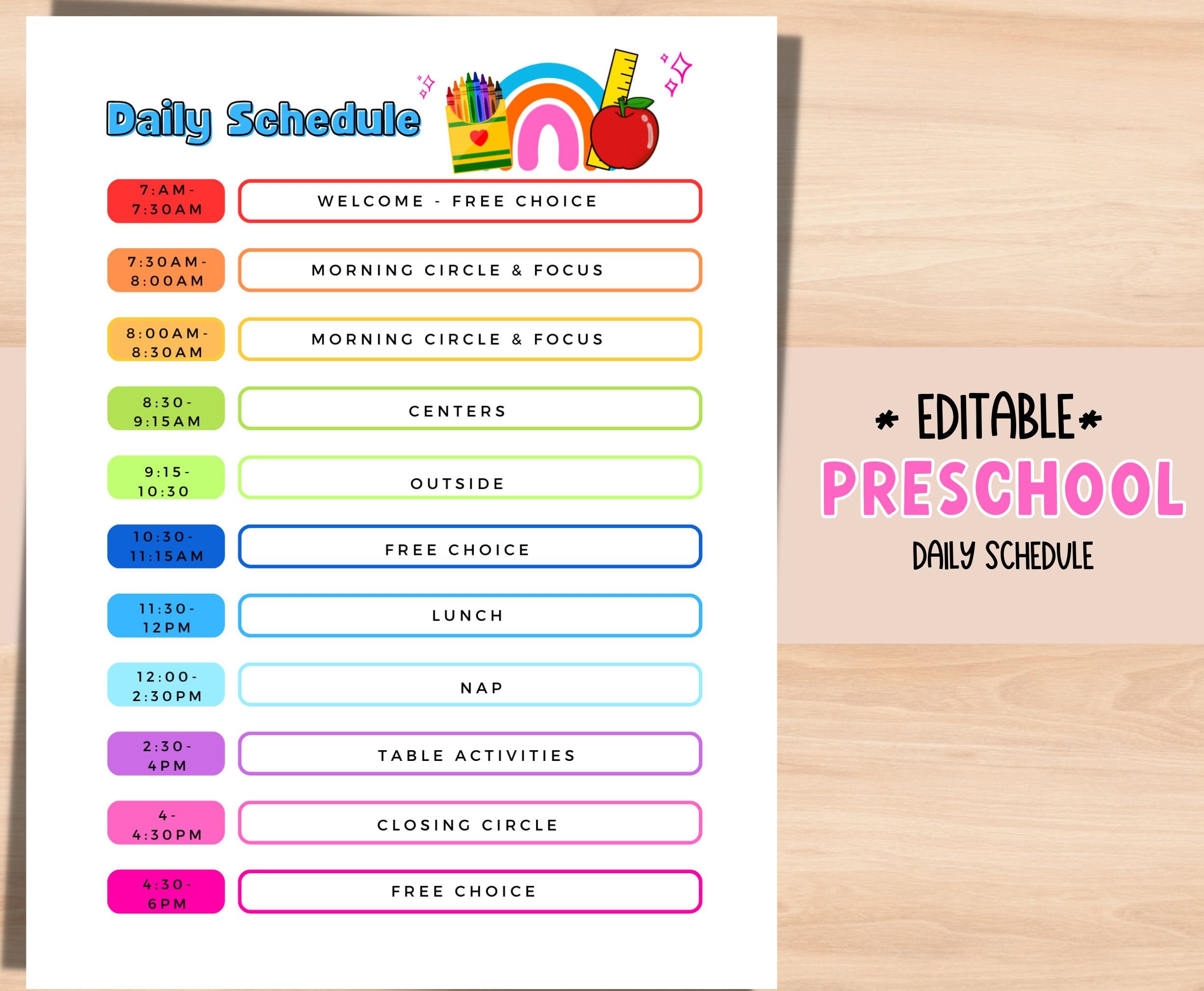
That’s where a well-thought-out structure comes into play. Creating a consistent routine isn’t just about keeping things organized for you; it’s profoundly beneficial for the children in your care. A good daily schedule helps everyone know what to expect, fostering a sense of security and making your home daycare run much more smoothly.
Why a Structured Schedule is Your Best Friend in Home Daycare
Imagine a day where transitions are less stressful, where children happily move from one activity to the next, and where you feel in control of your time. This isn’t a fantasy; it’s the reality a well-structured daily schedule can create. For children, especially younger ones, predictability is key to their sense of safety and their ability to learn. When they know what’s coming next, they feel more secure, which reduces anxiety and leads to happier, more engaged little learners. A routine also helps them develop self-regulation skills, understanding the flow of their day and what is expected of them.
From your perspective as a provider, a schedule acts as your roadmap. It helps you manage your time effectively, ensuring you allocate enough attention to different developmental areas like gross motor skills, fine motor activities, and quiet reflection. It also minimizes those awkward moments of “what do we do now?” and reduces the likelihood of boredom-induced behaviors. When you have a plan, you can be more present and less stressed, allowing you to truly enjoy the moments with the children.
Now, when we talk about a “structured schedule,” we’re not suggesting a rigid, minute-by-minute timetable that leaves no room for spontaneity. Think of it more as a flexible framework, a gentle guide that provides a backbone for your day while still allowing for the unexpected delights and detours that make home daycare so special. It’s about establishing a rhythm that everyone can comfortably follow, not about adhering to an unyielding clock. The goal is consistency and clarity, not an ironclad rulebook.
A good home daycare daily schedule template considers the natural needs of young children, incorporating times for active play, quiet learning, nourishment, and rest. It balances group activities with opportunities for individual exploration, ensuring that every child’s needs and interests are acknowledged throughout the day. This balanced approach helps to create a harmonious and stimulating environment for all.
Key Elements to Include in Your Template
- Arrival and Free Play: A gentle start to the day, allowing children to transition from home and engage in self-directed activities.
- Breakfast and Snack Times: Scheduled periods for healthy nourishment, often a social time for sharing and conversation.
- Structured Activity: Dedicated time for circle time, story reading, art projects, sensory play, or group games that foster learning and development.
- Outdoor Play: Essential for physical activity, fresh air, and exploration of the natural world, regardless of the weather.
- Lunch: A significant mealtime, often followed by quiet transitions.
- Nap and Quiet Time: Crucial for rest and rejuvenation for younger children, while older children can engage in quiet activities like puzzles or reading.
- Afternoon Snack: A re-energizing break before the late afternoon.
- Free Play and Departure: More self-directed play as children wind down and prepare to go home, allowing for relaxed goodbyes.
Crafting Your Own Home Daycare Daily Schedule Template: A Step-by-Step Guide
Designing your own home daycare daily schedule template doesn’t have to be a daunting task. It’s an opportunity to tailor the day specifically to the unique needs of the children in your care and your personal teaching philosophy. Start by observing the natural rhythms of the children. Are they early risers? Do they have a long nap or prefer shorter quiet times? Understanding their inherent patterns will be your best guide in creating a schedule that feels natural and supportive, rather than forced.
Next, consider the age range of the children you care for. A schedule for infants will look vastly different from one for preschoolers. Infants require more frequent feeding and nap times, while toddlers and preschoolers thrive with longer periods of activity and more structured learning opportunities. If you have mixed age groups, you’ll need to thoughtfully incorporate elements that cater to everyone, perhaps staggering activities or providing parallel play options during certain times.
Begin by plotting the non-negotiables: meal times, nap times, and arrival or departure windows. These fixed points will act as anchors around which you can build the rest of your day. Once these are in place, you can start filling in the spaces with various activities. Remember to balance active play with quiet time, indoor activities with outdoor adventures, and large group interactions with opportunities for individual exploration. Variety keeps things engaging and prevents burnout for both the children and you.
Finally, don’t be afraid to test and refine your schedule. What looks good on paper might need a few tweaks in practice. Be flexible and adjust as needed, especially during the first few weeks of implementation. Your home daycare daily schedule template is a living document, meant to evolve as your group of children changes and as you discover what truly works best for everyone involved. Displaying the schedule visually, perhaps with pictures for younger children, can also greatly aid in its success and help children understand the flow of their day.
Creating a supportive and stimulating environment in your home daycare is truly a labor of love. A well-designed daily schedule is one of the most powerful tools you have to ensure that every day is filled with learning, laughter, and a sense of calm predictability. It allows you to focus on building meaningful connections with the children and fostering their growth, knowing that the structure is there to support it all.
By thoughtfully planning your days, you’re not just organizing activities; you’re building a foundation for happy, confident children and a more fulfilling experience for yourself. A balanced routine ensures that every child feels secure, engaged, and ready to explore the wonderful world around them, making your home daycare a place where everyone can thrive.