Navigating the responsibilities of being a landlord can sometimes feel like a minefield of regulations and duties. Among the most critical, yet often overlooked, aspects is fire safety. It’s not just about protecting your investment; it’s fundamentally about safeguarding the lives of your tenants. Understanding and mitigating fire risks in your rental properties is a legal obligation and a moral imperative that no landlord should take lightly.
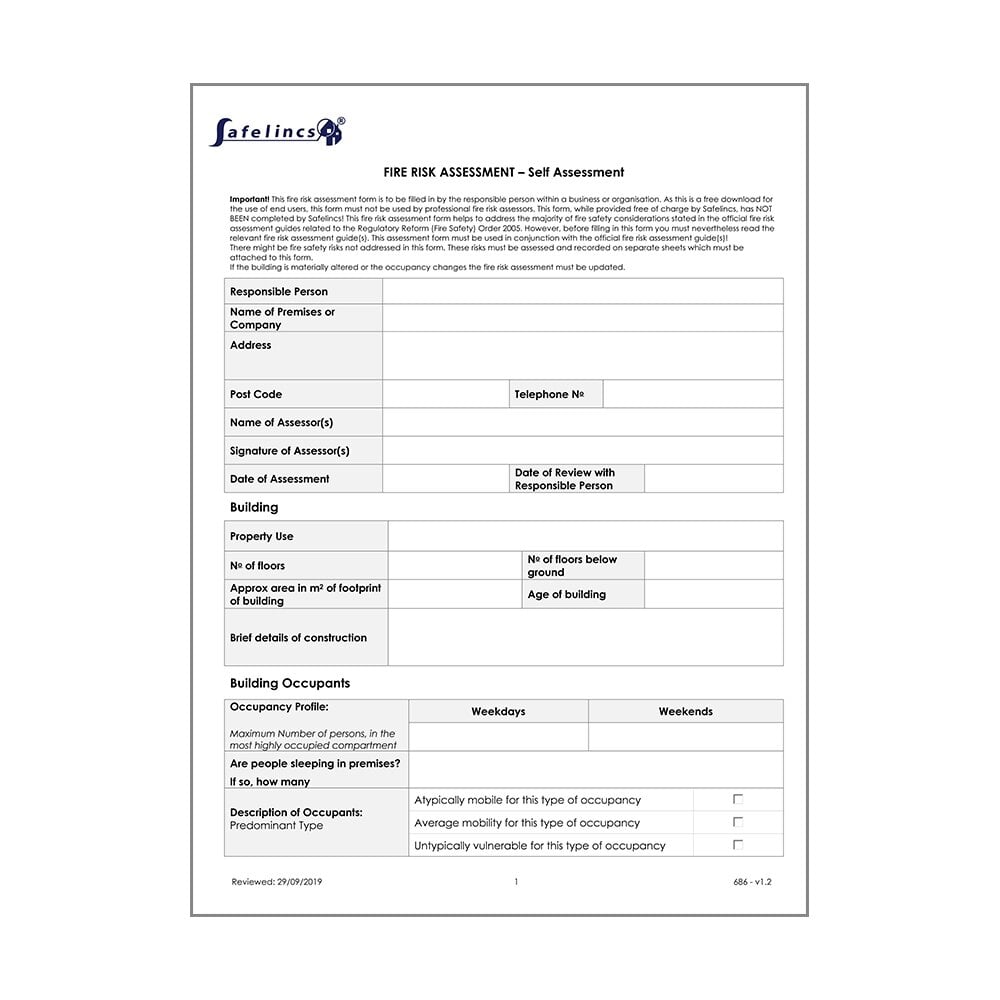
Ensuring your property is safe from fire hazards might seem like a daunting task, but with the right approach and resources, it’s entirely manageable. A structured method can help you identify potential dangers, implement preventative measures, and maintain a safe environment for everyone. This proactive stance not only keeps you compliant with the law but also provides invaluable peace of mind.
Understanding Your Legal Obligations for Fire Safety
As a landlord, you are legally responsible for the fire safety of your tenants and property. This responsibility stems primarily from the Regulatory Reform Fire Safety Order 2005 in England and Wales, and similar legislation across the UK. This order designates the “responsible person” – often the landlord – to carry out a fire risk assessment for communal areas in multi-occupancy properties and to ensure general fire safety for all properties. For single-occupancy homes, while a full formal assessment isn’t always required in the same way, the overarching duty of care for tenant safety remains paramount.
A fire risk assessment is not merely a box-ticking exercise; it’s a systematic review of your premises and the activities carried out there, for the purpose of identifying fire hazards and assessing the risk to people from fire. It involves evaluating how likely a fire is to start and what the consequences might be. This process helps you to determine what fire safety measures are needed, or what existing measures might need improvement, to reduce or eliminate the risk of fire.
Many landlords find the prospect of conducting a fire risk assessment intimidating, fearing it requires specialist knowledge or an expensive consultant. While complex properties might indeed benefit from professional input, for most standard residential properties, a diligent landlord can complete a thorough assessment themselves. This is where a well-designed landlords fire risk assessment template becomes an indispensable tool. It guides you through each step, ensuring you consider all relevant aspects systematically.
Using a comprehensive template simplifies the process significantly, allowing you to methodically address all necessary points without missing crucial details. It acts as your checklist, reminder, and record keeper all rolled into one, making the entire procedure far less overwhelming and much more efficient. By following a structured template, you can be confident that you’ve covered the essential bases and are meeting your legal duties.
Key Areas to Consider in Your Assessment
- Identify fire hazards: Look for sources of ignition (electrical faults, cooking equipment, smoking materials) and fuel (flammable materials, waste).
- Identify people at risk: Consider who might be particularly vulnerable in the event of a fire, such as children, elderly tenants, or those with disabilities.
- Evaluate, remove, or reduce risk: Implement measures to eliminate or minimize identified hazards and risks. This might include ensuring electrical appliances are safe, providing fire blankets, or ensuring clear escape routes.
- Record your findings: Document all significant findings and the actions you’ve taken. This record is vital for demonstrating compliance.
- Review and revise regularly: Fire risk assessments are not a one-time task. They should be reviewed periodically and updated whenever there are significant changes to the property or tenancy.
Practical Steps to Completing Your Fire Risk Assessment
Embarking on your fire risk assessment doesn’t need to be a complex ordeal. For most residential landlords, it’s about applying common sense and a systematic approach to identify and mitigate risks. Start by walking through your property as if you were a potential tenant, but with a critical eye for fire hazards. Think about the journey from each room to the outside, considering any obstacles that might hinder escape in an emergency.
One of the first practical steps is to identify potential sources of ignition. This includes checking electrical sockets for signs of overloading, ensuring appliances are in good working order, and considering where tenants might store flammable items. Gas appliances also fall under this category, requiring annual safety checks by a Gas Safe registered engineer. Don’t forget the seemingly minor details like ensuring smoke alarms are correctly installed, tested, and maintained, and that carbon monoxide alarms are present where solid fuel appliances exist.
Next, focus on the ‘fuel’ aspect of the fire triangle. Are there excessive amounts of combustible materials stored in communal areas or within the property? Tenants sometimes store bikes, pushchairs, or other items in hallways, which can quickly become a fire hazard and obstruct escape routes. Educating tenants about responsible storage and keeping common areas clear is a vital part of fire safety management that often goes overlooked.
Finally, consider the ‘oxygen’ component and how to manage the spread of fire. This involves ensuring fire doors (if present) are functioning correctly and that escape routes are clearly marked and unobstructed. It also means having an emergency plan. While you don’t need to lead fire drills for tenants, you do need to provide clear instructions on what to do in case of a fire, including how to raise the alarm and the designated escape routes. A simple landlords fire risk assessment template can guide you through these checks, offering prompts for each area.
Remember, the goal is not just to identify problems but to implement solutions. Once you’ve completed your assessment using your chosen template, make sure to act on any identified risks promptly. This might involve replacing faulty electrical items, installing additional smoke detectors, or clearly labelling escape routes. Maintaining an ongoing record of these actions demonstrates your commitment to fire safety and provides a valuable reference for future reviews.
Taking a proactive approach to fire safety not only helps you meet your legal duties but also fosters a safer, more secure environment for your tenants. By consistently reviewing and updating your fire risk assessments, you’re playing a crucial role in preventing incidents and protecting both lives and property. It’s an investment in peace of mind that truly pays dividends.