Setting up a market stall, whether it is for a bustling weekend market, a charming craft fair, or a vibrant food festival, is an exciting venture. It is a fantastic way to connect directly with customers, showcase your products, and grow your business. However, beneath the lively atmosphere and colourful displays, there is a fundamental responsibility that every stall holder needs to address: ensuring the safety of everyone involved.

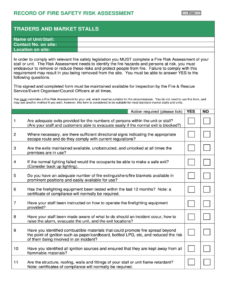
This is where a solid risk assessment comes into play. It might sound like a daunting task, conjuring images of endless paperwork and complex jargon, but it is actually a straightforward process designed to protect you, your team, and your valuable customers. Fortunately, you do not have to start from scratch. A well-designed market stall risk assessment template can simplify this crucial task, guiding you through identifying potential hazards and putting effective control measures in place.
What is a Risk Assessment and Why Do Market Stall Holders Need One?
A risk assessment is essentially a careful look at what, in your market stall setup, could cause harm to people. The aim is to decide whether you have taken enough precautions or if you need to do more to prevent harm. It is not about creating unnecessary bureaucracy; it is about proactive safety management. For market stall holders, this process is not just a good idea; it is often a legal requirement, particularly if you employ staff. More importantly, it is a moral imperative to ensure a safe environment for everyone who interacts with your business.
Think about the unique environment of a market stall. You are often operating outdoors, dealing with varied weather conditions, temporary structures, and a constant flow of the public. These factors introduce a range of potential hazards that might not be present in a permanent shop. From the stability of your display racks to the cleanliness of your food preparation area, every aspect needs consideration. Failing to assess and mitigate these risks can lead to accidents, injuries, financial losses, damage to your reputation, and even legal action.
Common risks associated with market stalls can include slips, trips, and falls due to uneven ground, trailing cables, or spills. There are also fire hazards from cooking equipment, electrical faults, or poorly stored flammable materials. Food stalls, in particular, face stringent hygiene requirements to prevent cross-contamination and food poisoning. Manual handling injuries from lifting heavy stock or setting up equipment are also a frequent concern. A thorough market stall risk assessment template provides a structured way to consider all these possibilities, ensuring you do not overlook critical safety aspects.
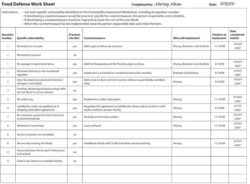
The beauty of using a template is that it provides a framework. It prompts you to think systematically about each potential hazard, who might be affected, and what steps you can take to minimise the risk. This organised approach helps you document your findings and planned actions, demonstrating your commitment to health and safety. It transforms a potentially overwhelming task into a manageable checklist, ensuring that you cover all bases effectively.
Key Elements of a Thorough Risk Assessment
To make sure your risk assessment is comprehensive, it should involve several key steps:
- Identifying Hazards: This is where you pinpoint anything that could cause harm. Walk around your stall and the immediate vicinity with a critical eye. Consider your products, equipment, power sources, display methods, and even the crowd dynamics.
- Deciding Who Might Be Harmed and How: Think about your customers (including children and those with mobility issues), your staff, other traders nearby, and even yourself. How might each hazard specifically affect them?
- Evaluating the Risks and Deciding on Precautions: Once hazards are identified, assess the likelihood of harm occurring and how severe that harm might be. Then, determine what control measures are already in place and what additional actions you can take to reduce the risk to an acceptable level.
- Recording Your Findings: Documenting your assessment is crucial. This record serves as proof that you have considered the risks and planned appropriate actions. It is also a valuable reference for future reviews.
- Reviewing and Updating: Risks are not static. Your market stall setup might change, you might introduce new products, or the market environment itself could evolve. Regularly review your risk assessment to ensure it remains relevant and effective.
How to Effectively Use a Market Stall Risk Assessment Template
Using a market stall risk assessment template effectively is more than just ticking boxes; it is about engaging in a thoughtful process that genuinely enhances safety. Start by understanding that while a template provides a fantastic starting point, it needs to be tailored to your specific market stall, your unique products, and the particular market environment you operate in. A template for a hot food stall, for instance, will differ significantly from one used by a jeweller or a clothing vendor. Take the time to customise it, adding specific details relevant to your operation.
Begin by setting aside dedicated time, perhaps before your next market day, to focus solely on this task. Walk through your entire setup, from the moment you unload your vehicle to the time you pack away. Consider every piece of equipment, every display item, and every process. If you serve food, think about every stage from preparation to serving and waste disposal. If you have electrical items, trace all the cables. Visualising your typical market day can help you spot potential pitfalls that might otherwise be overlooked when simply reading through a list.
Engage with your team if you have one. Often, those who are directly involved in the day-to-day operations of the stall will have invaluable insights into potential hazards and practical solutions. They might have encountered issues you are unaware of, or they could suggest improvements to existing control measures. Encouraging their input not only makes the risk assessment more robust but also fosters a culture of safety and shared responsibility among your staff. This collaborative approach ensures that the implemented controls are practical and adhered to.
Once you have completed your assessment, do not let it gather dust in a folder. The market stall risk assessment template is a living document. Make sure all your staff are aware of the identified risks and the control measures in place. Consider displaying key safety information or having a copy readily accessible at the stall. Furthermore, make it a habit to review your risk assessment regularly, at least once a year, or whenever there are significant changes to your stall, new products are introduced, new equipment is used, or new regulations come into effect.
Here are some practical tips to ensure your risk assessment is as effective as possible:
- Be Specific: Instead of writing "slips," specify "potential for slips on wet floor near cooler from ice melt." The more specific you are, the easier it is to devise a targeted solution.
- Involve Your Team: Your staff are often on the front line and can provide valuable insights into potential hazards and practical control measures you might not have considered.
- Don’t Overlook Minor Risks: While major hazards are obvious, a combination of seemingly minor risks can sometimes lead to significant problems. Small spills, slightly uneven ground, or a loose cable can all contribute to an accident.
- Keep It Accessible: Have a physical or digital copy of your completed risk assessment readily available at your stall. This ensures that everyone knows the procedures and it is available if requested by market organisers or authorities.
- Train Your Staff: If you have employees, ensure they understand the risks associated with their tasks and are fully trained on the control measures you have put in place. Safety is a collective responsibility.
Proactive safety management is a cornerstone of any successful market stall business. By diligently using a market stall risk assessment template, you are not just meeting obligations; you are actively building a safer environment for everyone. This dedication protects your customers and staff, safeguards your business from unforeseen incidents, and enhances your reputation as a responsible and trustworthy vendor. It is a small investment of time that yields significant peace of mind and long-term benefits for your venture.